If your skin feels tight after washing, we generally point you to the cleansing base first, not another new serum. We compared five K-beauty cleansers on four criteria: how high an amino acid surfactant sits in the ingredient list, whether an exfoliating acid is present, whether fragrance or essential oils are added, and whether physical scrub particles are used. Gentleness tracks the surfactant class and its working pH more than any single hero ingredient on the front label.
We hear the same question from people switching cleansers: "which ingredient should I look for?" But the sting or tightness right after rinsing usually traces back to the surfactant doing the foaming, not the plant extract next to it. If you've paused strong actives or your skin is already reactive, the cleansing base is the place to start.
What an amino acid surfactant actually does
A surfactant is what lets water and oil mix so sebum and residue can rinse away. The trouble is that a strong enough surfactant also strips the ceramides and cholesterol your skin makes for itself.
Amino acid surfactants work differently here. According to Alfa Chemistry, glutamate-type amino acid surfactants such as sodium lauroyl glutamate are classed as "non-delipidant": they clear surface residue without pulling out the intercellular lipids (cholesterol, ceramides) that make up the skin barrier. The same source notes that most amino acid surfactants work best in a mildly acidic to neutral range (roughly pH 5.5-6.5), close to skin's own resting pH, while soap-based cleansers typically work in an alkaline range. That's ingredient-level guidance, though. A finished product's actual pH and mildness still depend on the full formula and its supporting ingredients.
On an ingredient list, amino acid surfactants tend to look like this:
- Sodium Cocoyl Glycinate, Potassium Cocoyl Glycinate (glycinate type)
- Sodium Lauroyl Glutamate, Disodium Cocoyl Glutamate (glutamate type)
- Sodium Cocoyl Alaninate (alaninate type)
- Sodium Lauroyl Sarcosinate (sarcosinate type)
When one of these names sits right after water and glycerin near the top of the list, the cleansing base is genuinely amino acid-led. If it only appears once, further down, the marketing claim and the actual base may not match.
The four criteria behind this ranking
This comparison is built for dry, reactive skin that's taking a break from active exfoliants and trying to let the barrier recover. We weighted the criteria in this order:
- Cleansing base: does an amino acid surfactant sit near the top of the ingredient list?
- Exfoliating acid: does the formula contain salicylic acid, betaine salicylate, an AHA, or similar, and does the brand disclose it clearly?
- Fragrance or essential oil: a plausible irritant for reactive skin.
- Physical particles: scrub grains such as diatomaceous earth aren't something we'd recommend for skin that's still recovering.
Containing an acid doesn't make a cleanser a bad product. For this specific goal, easing exfoliation load while skin recovers, it's simply a point against. Ingredient lists also change with reformulation and region, so we'd check the actual bottle or the brand's own product page before buying.
| Product | Cleansing base | Exfoliating acid | Fragrance/oil | Physical particles |
|---|---|---|---|---|
| PURE'AM AMINO ACID MILD CLEANSER | 100% amino acid-based | Salicylic acid (disclosed) | Check current INCI | None |
| ROUND LAB 1025 Dokdo Cleansing Gel | Betaine + amino acid blend | Not listed | Not listed | None |
| Anua Heartleaf Quercetinol Pore Deep Cleansing Foam | Amino acid near top | Salicylic acid or betaine salicylate | Eucalyptus oil/fragrance (version-dependent) | Heartleaf powder |
| ROUND LAB 1025 Dokdo Cleanser | Isethionate/taurate-led | Not listed | Chamomile flower oil | None |
| Pyunkang Yul Low pH Pore Deep Cleansing Foam | Isethionate/taurate-led | AHA (claimed) | Litsea cubeba oil | Diatomaceous earth |
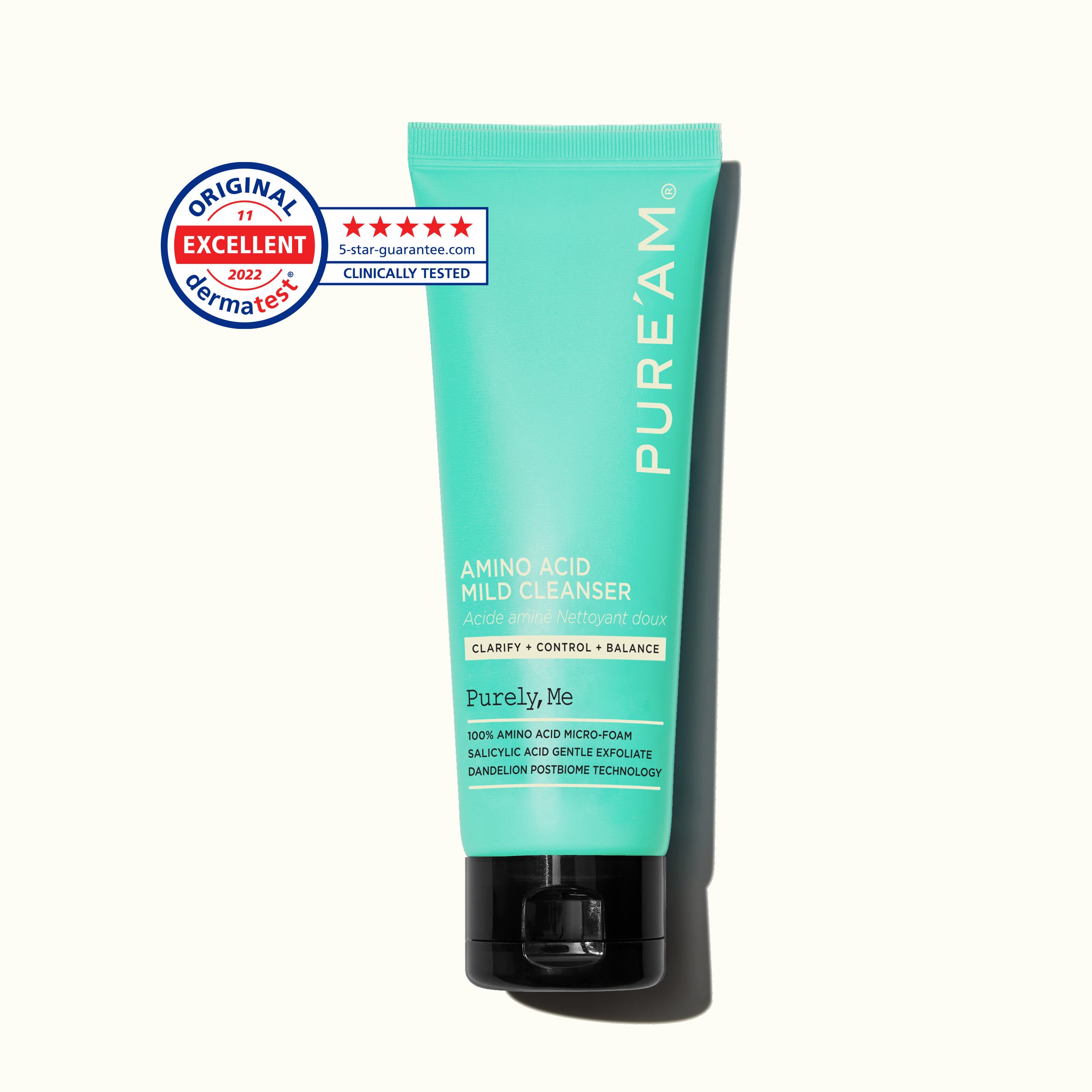
AMINO ACID MILD CLEANSER
23 USD
Shop now
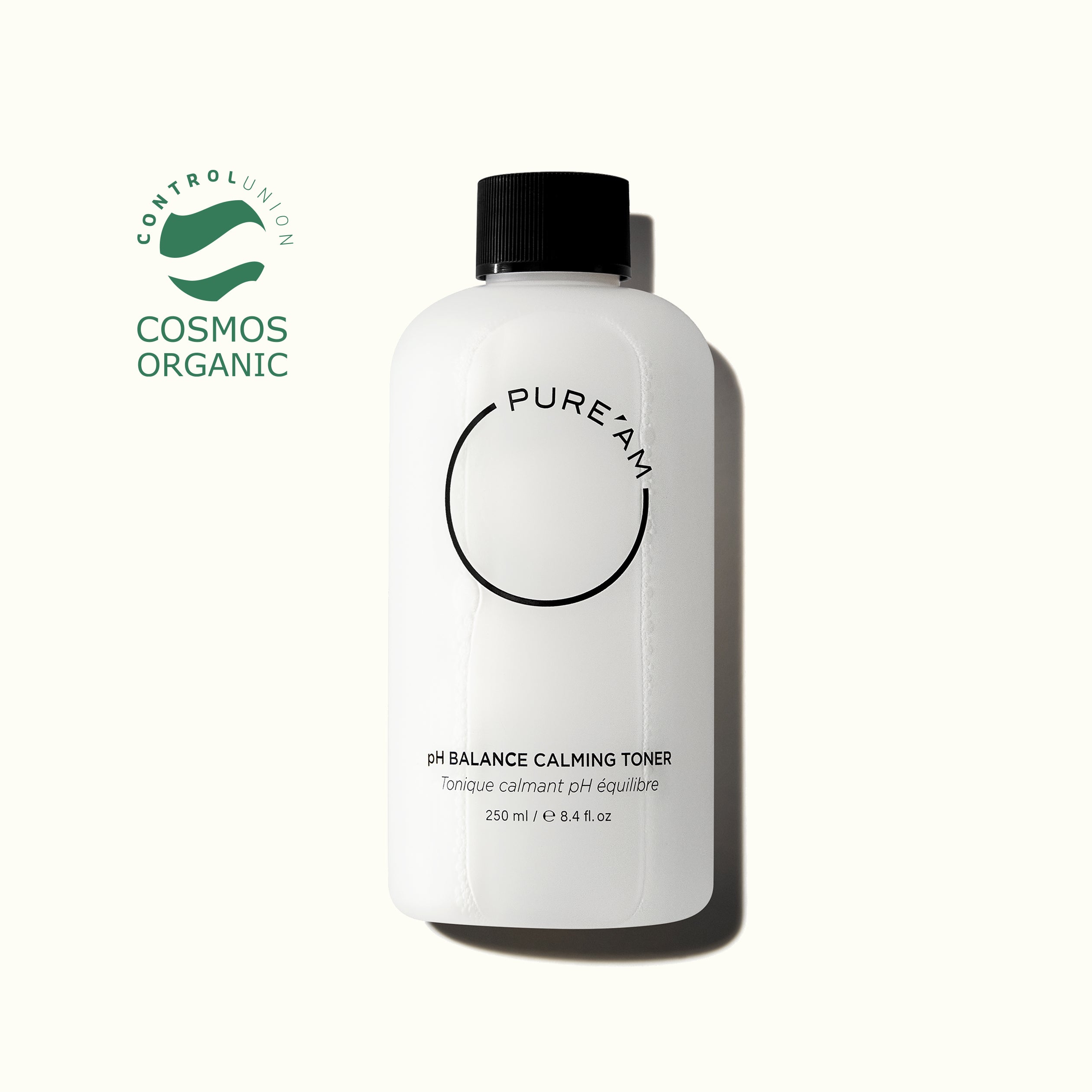
pH BALANCE CALMING TONER
29 USD
Shop now
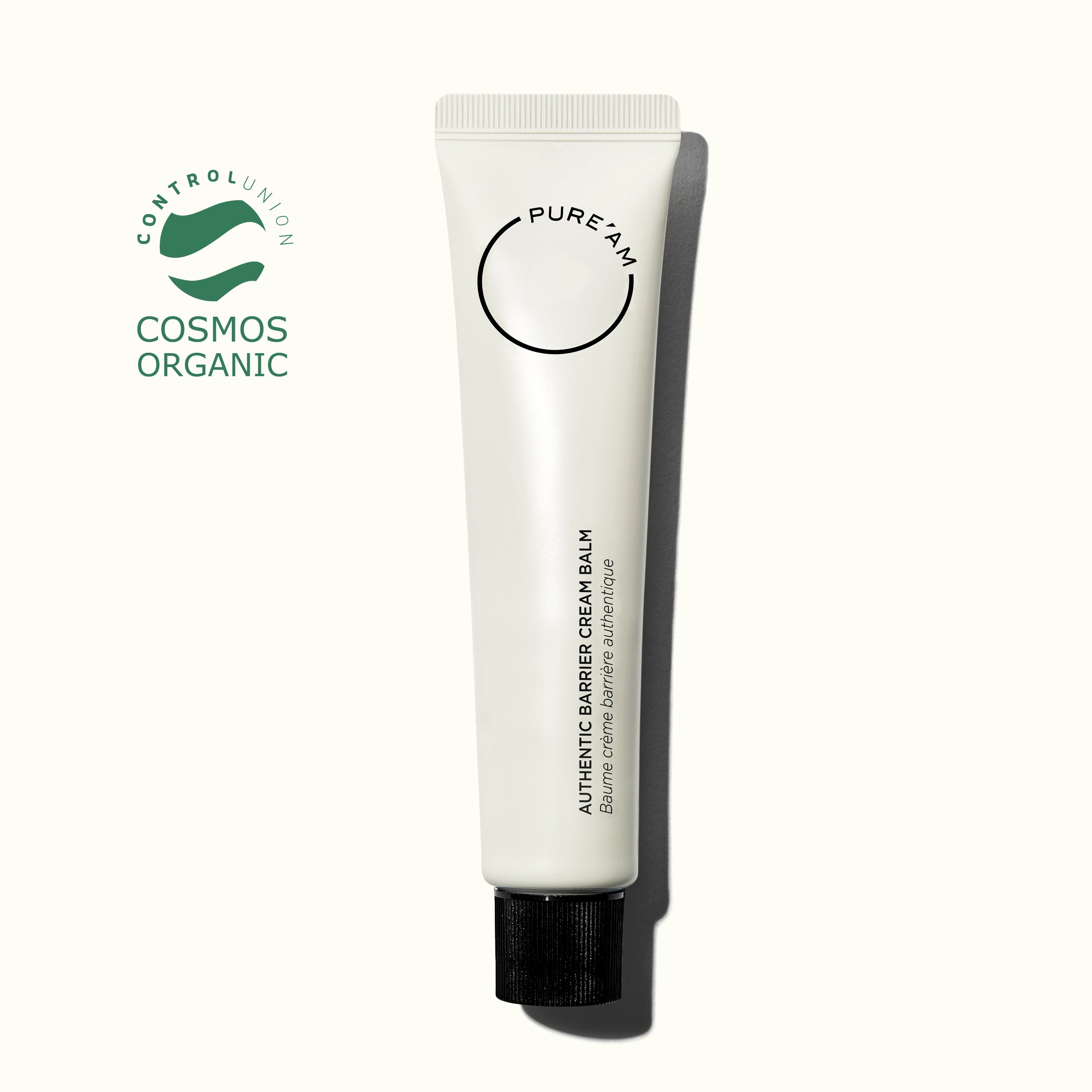
AUTHENTIC BARRIER CREAM BALM
37 USD
Shop now
1. PURE'AM AMINO ACID MILD CLEANSER
Since this is our own product, we want to state our own criteria plainly first. Of the five cleansers here, it's the only one where the entire cleansing base is amino acid-derived. Our official product page states the formula is built on 100% amino acid-based surfactants, and it names the same concern we raised above: that strong exfoliants and acids can disrupt keratin structure and weaken the barrier. It comes in 120ml for 23 USD.
We'll be upfront about a limitation. This cleanser does contain salicylic acid. If your skin needs a complete break from acids right now, this may not be the best fit, and the second-ranked option below could suit you better. What we can say is that the single biggest variable, the cleansing base, is unified as amino acid-based here, and the remaining acid content is disclosed rather than hidden.
2. ROUND LAB 1025 Dokdo Cleansing Gel
If avoiding exfoliating acids entirely is the priority, this is the cleanest match on our list. The published ingredient list shows disodium cocoamphodiacetate and cocamidopropyl betaine paired with sodium cocoyl alaninate and disodium cocoyl glutamate, putting amino acid surfactants at roughly half the cleansing base. No exfoliating acid or fragrance appears in the listed ingredients.
Betaine/amphoteric-led gel textures tend to feel gentler than foam cleansers, though on days with heavy sunscreen you may find one cleanse isn't quite enough.
3. Anua Heartleaf Quercetinol Pore Deep Cleansing Foam
The base alone looks good: the ingredient list puts sodium cocoyl glycinate and sodium lauroyl glutamate near the top. But the same list includes salicylic acid and capryloyl salicylic acid, and depending on the version sold, betaine salicylate, eucalyptus oil, and fragrance are also listed.
This is a common trap: recommended as a "gentle cleanser," it can quietly turn into a daily BHA cleanse. If oil and pores are your main concern, that's a reasonable trade-off. If you're specifically trying to reduce exfoliation load right now, we'd set it aside for later.
4. ROUND LAB 1025 Dokdo Cleanser
The ingredient list opens with sodium cocoyl isethionate and sodium methyl cocoyl taurate. Both are mild, long-used surfactant types, with ceramide NP and several amino acids listed further down. Potassium cocoyl glycinate, an amino acid surfactant, is present but isn't the primary base. Chamomile flower oil is included, worth checking if you're fragrance-sensitive.
With no exfoliating acid listed, it's a reasonable option during a recovery period. It only loses ground here on our first criterion.
5. Pyunkang Yul Low pH Pore Deep Cleansing Foam
The ingredient list is isethionate/taurate/cocamidopropyl betaine-led, and the product description points to fruit-derived AHA for exfoliation. The official US product page also describes diatomaceous earth particles and AHA working together to clear pores.
Marketed heavily toward sensitive skin because of its low pH, it lands last on our specific criteria here because it combines chemical exfoliation with physical scrub particles.
Checking for hidden acids in a "gentle" cleanser
The ingredient list moves faster than the marketing copy. Three checks are usually enough before you buy:
- Search for acid names: salicylic acid, betaine salicylate, capryloyl salicylic acid, glycolic acid, lactobionic acid, gluconolactone. If any of these appear, treat it as an exfoliating product.
- Check surfactant position: is an amino acid name within the first five or six ingredients? If it only shows up further down, the actual base is a different surfactant class.
- Check for fragrance: for reactive skin, fragrance-free is generally the safer default. The American Academy of Dermatology also recommends a gentle, fragrance-free cleanser for sensitive skin.
Washing habits matter as much as the product
The same cleanser can behave differently depending on how you wash. The AAD's face-washing guidance recommends lukewarm water, applying cleanser with fingertips rather than a cloth or mesh sponge, avoiding scrubbing, rinsing with lukewarm water, and patting dry with a soft towel. It also suggests limiting washing to twice a day plus after heavy sweating.
Hot water and long wash times can cancel out any advantage gained by choosing a gentler surfactant. If tightness persists after switching cleansers, check water temperature and friction before switching products again.
What comes after cleansing
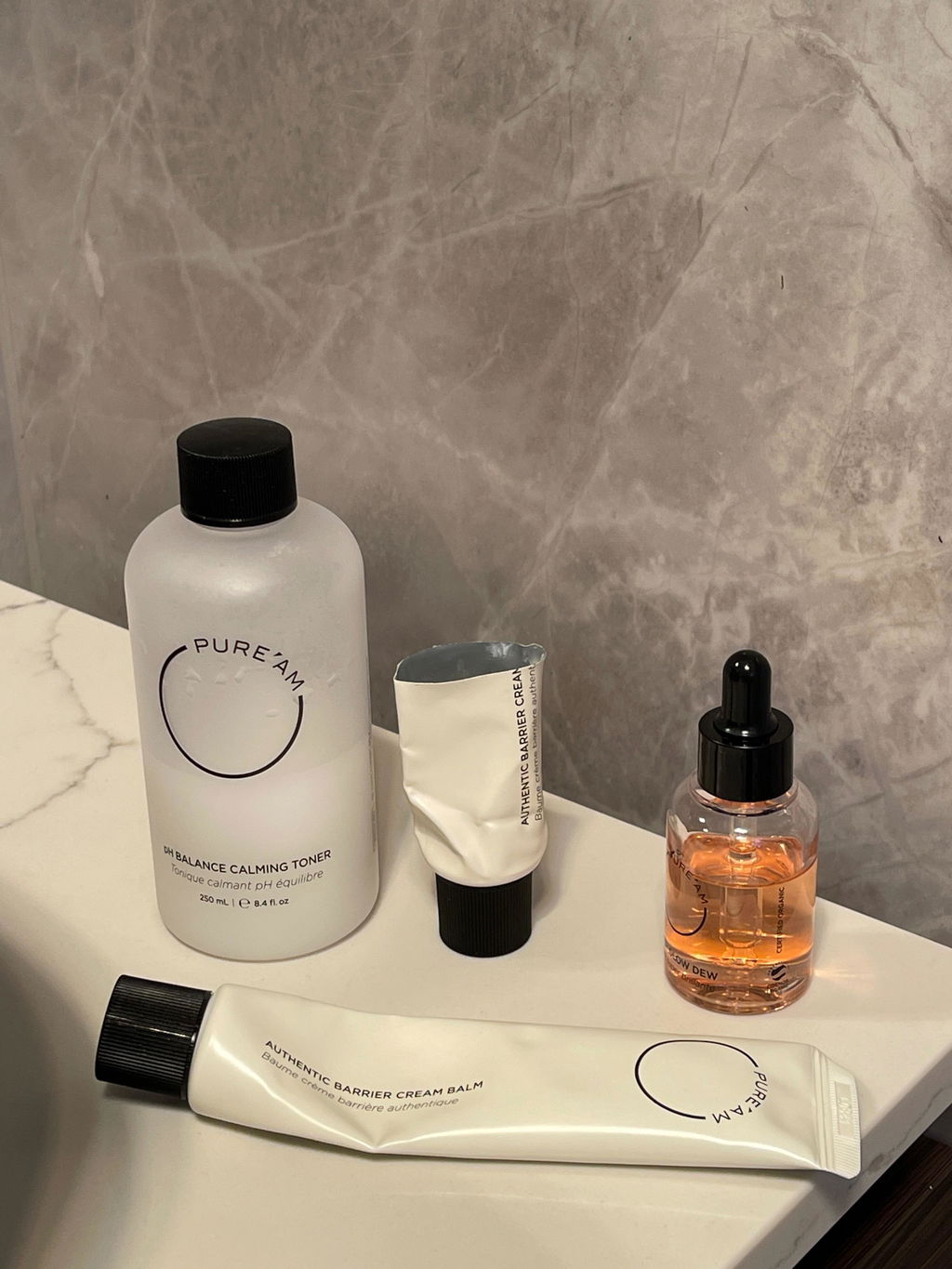
A cleanser's job is to leave skin ready for the next step, not to do all the work itself. Our own sequence is cleanser, then pH BALANCE CALMING TONER to replace the moisture and calm the skin right after rinsing, then AUTHENTIC BARRIER CREAM BALM to finish with moisture and barrier support. In the morning, sunscreen goes on last.
Not everyone needs all four products every time. You can scale the routine down based on your skin's condition and texture preference. If barrier cream alone hasn't been resolving persistent inner dryness, we go into that in more detail separately, and if you're weighing a cleanser and serum pairing, we've laid out those criteria in a related comparison.
The smallest next step you can take today is pulling out your current cleanser and checking the first five ingredients plus whether an acid name appears. If it's time to switch, the AMINO ACID MILD CLEANSER product page is a reasonable place to compare full ingredient lists first.
FAQ
Does an amino acid cleanser clean less effectively?
Generally, yes, compared to sulfate-based cleansers. Alfa Chemistry notes that single amino acid surfactant systems clean less aggressively than sulfates, which is why many formulas combine them with other surfactants. On days with heavy sunscreen or makeup, splitting your cleanse into two lighter passes tends to keep each step gentle.
If it doesn't foam much, am I using it wrong?
Foam volume and cleansing power aren't the same thing. A rich lather mostly comes from foam stabilizers and formulation choices. Working up a lather in your hands first, then rolling it over your face without scrubbing, reduces friction regardless of how much foam is produced.
I wear sunscreen daily. Do I need to double cleanse?
It depends on your skin and your sunscreen. We've laid out how to weigh sunscreen residue against over-cleansing in a separate guide on cleansing after sunscreen.
Does salicylic acid in a cleanser mean sensitive skin should avoid it entirely?
Not necessarily. A rinse-off product spends very little time on skin, and the actual effect depends on concentration and the rest of the formula. That said, if you're already using several exfoliating products or your skin is in a reactive stretch, cutting one acid source from your cleanser can help recovery. Start any new product once a day and watch how your skin responds before increasing frequency.