When you pause strong actives for a barrier-focused routine, we recommend choosing a cleanser by your skin's current needs rather than its popularity. Check for alcohol, exfoliating acids and fragrance, especially ingredients you have reacted to before. If your break includes exfoliating acids, choose a cleanser without them: our AMINO ACID MILD CLEANSER contains salicylic acid and is not an acid-free option.
At PURE'AM, we see cleansing as a useful place to reassess your routine when you put retinol or strong acid products aside. The formula matters, but so does how you wash. Rather than rank K-beauty cleansers, we will explain the selection criteria that matter during this transition and where our cleanser fits, including when another option better matches your goal.
What should you check in a transition-period cleanser?
Start with the product description and full ingredient list, not the brand name or the K-beauty label.
| What to check | Why it matters | Where to look |
|---|---|---|
| A gentle, non-abrasive, alcohol-free cleanser | The American Academy of Dermatology recommends these characteristics for facial cleansing. | Product description and ingredient list |
| Exfoliating acids, including salicylic acid | If you have decided to pause exfoliating acids, include your cleanser in that decision. | Full ingredient list and highlighted ingredients |
| Fragrance | If you have reacted to fragrance before, consider both the fragrance labeling and the full formula. | Label and full ingredient list |
The first criterion comes from the American Academy of Dermatology's Face washing 101. The other checks help you match your choice to the ingredients you are pausing and your own history of reactions. They are not a guarantee that any particular formula will suit your skin.
For more on identifying cleansing ingredients, our guide to tightness after washing and reading cleanser ingredient lists is available in Korean.
What does your skin need right now?
A transition away from strong actives does not look the same for everyone. The important distinction is whether you are still avoiding exfoliating acids or are considering including them again.
If your skin is still stinging, red or flaky
If you have decided to stop exfoliating acids, choosing a cleanser without them keeps that decision consistent across your routine. A product described as gentle may still contain an exfoliating acid, so check the ingredient list rather than relying on that word alone.
Keep your washing technique gentle, too. The American Academy of Dermatology advises against scrubbing because it irritates skin. If discomfort continues or your skin's condition concerns you, consult a dermatologist rather than relying on cleanser changes alone.
If irritation has settled but oiliness or blemishes remain a concern
At this point, the decision is whether you want to continue avoiding exfoliating acids or consider a rinse-off formula that contains one. A salicylic acid cleanser belongs in the latter category, even though it is washed off rather than left on the skin.
Skin feeling calmer does not by itself establish that a particular acid-containing cleanser will suit you. Check the formula, consider your previous reactions and try a new product on a small area before applying it more broadly. If tightness or stinging returns, stop using the new cleanser and reassess rather than pushing through discomfort.
Where does our AMINO ACID MILD CLEANSER fit?
Our AMINO ACID MILD CLEANSER is an option to consider only if salicylic acid fits the routine you want. It does not meet an acid-free selection criterion.
Here are the product details to weigh:
- Cleansing ingredients: The micro-foam formula includes Sodium Cocoyl Glycinate, Sodium Cocoyl Glutamate, Sodium Methyl Cocoyl Taurate and Sodium Cocoyl Apple Amino Acids.
- Salicylic acid: The product page states that the formula contains less than 0.5% salicylic acid. A low concentration still does not make it acid-free. Product details
- Other formula ingredients: Glycerin appears second on the ingredient list, alongside ingredients including Lactobacillus Ferment Lysate, allantoin, trehalose and dandelion leaf extract.
- Labeling and botanicals: We label the cleanser as fragrance-free and free of sulfates, colorants, parabens and silicones. The ingredient list also includes rosemary leaf oil and extracts such as tea tree leaf, Houttuynia cordata and mugwort. Check these carefully if you have reacted to botanical ingredients before.
- Intended skin types: The product page recommends it for oily, combination and sensitive skin, particularly blemish-prone skin. This labeling does not guarantee individual tolerance.
- Texture and size: It is a soft, cream-type micro-foam cleanser in a 120 mL size. Formula, labeling and size
For someone whose priority is a complete break from exfoliating acids, we would point to a cleanser without those ingredients instead. For someone considering a salicylic acid cleanser after irritation has settled, our formula is a candidate to assess, not a promise of tolerance or a replacement for medical acne care.
How should you wash during this transition?
A gentle formula and a gentle technique belong together. The American Academy of Dermatology's face-washing guidance recommends the following:
- Wet your face with lukewarm water and apply cleanser with your fingertips. Washcloths, mesh sponges and other tools can irritate skin.
- Avoid scrubbing.
- Rinse with lukewarm water and pat dry with a soft towel.
- Apply moisturizer if your skin is dry or itchy.
- Limit washing to twice daily, in the morning and at night, and after heavy sweating.
Our cleanser's official directions are to lather a small amount with water in your palms, gently massage over the face and neck, rinse with lukewarm water and pat dry.
How can you introduce a new cleanser cautiously?
Before using a new cleanser across your face, try it on a small area first. If redness, itching or stinging develops, gently rinse it off and stop using it. Seek advice from a dermatologist if the reaction is significant or does not settle.
We also suggest changing one product at a time. Start with the cleanser, then reassess before adjusting another step. This keeps the transition simpler and makes it easier to identify which change preceded a reaction.
What comes after cleansing?
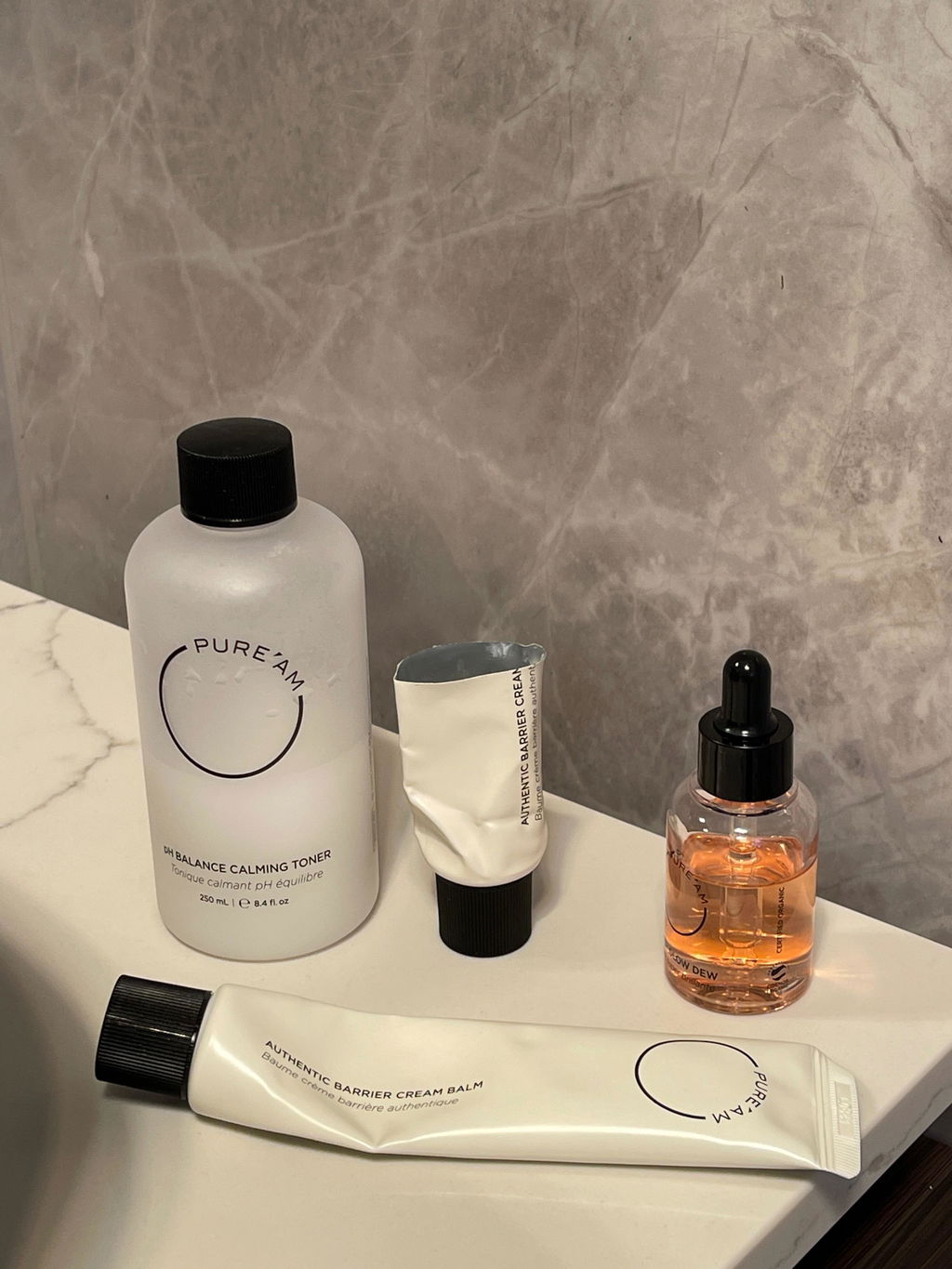
Cleansing is the start of a barrier-focused routine, not a substitute for moisturizing. In the pared-back routine described here, the order is cleanser, optional toner, then our AUTHENTIC BARRIER CREAM BALM. You can skip toner according to your skin's needs and texture preferences. In the morning, finish with sunscreen.
Our simple K-beauty routine guide for dry, sensitive skin, available in Korean, explains the roles of the steps and which ones can be optional.
FAQ
Does natural or organic mean a cleanser cannot irritate skin?
No. Natural or organic sourcing alone does not establish that a finished formula is safe or gentle for every person. We describe our cleanser in the context of the whole formula, not ingredient origin alone. Its ingredient list includes botanical ingredients such as rosemary leaf oil and tea tree leaf extract, so your own reaction history still matters.
Your next step
Check your current cleanser for alcohol, fragrance and exfoliating acids, then compare the formula with what you intend to pause. If salicylic acid fits your next routine, explore our AMINO ACID MILD CLEANSER ingredient list and directions. We encourage a gradual transition guided by your skin's response, not pressure to add more steps.