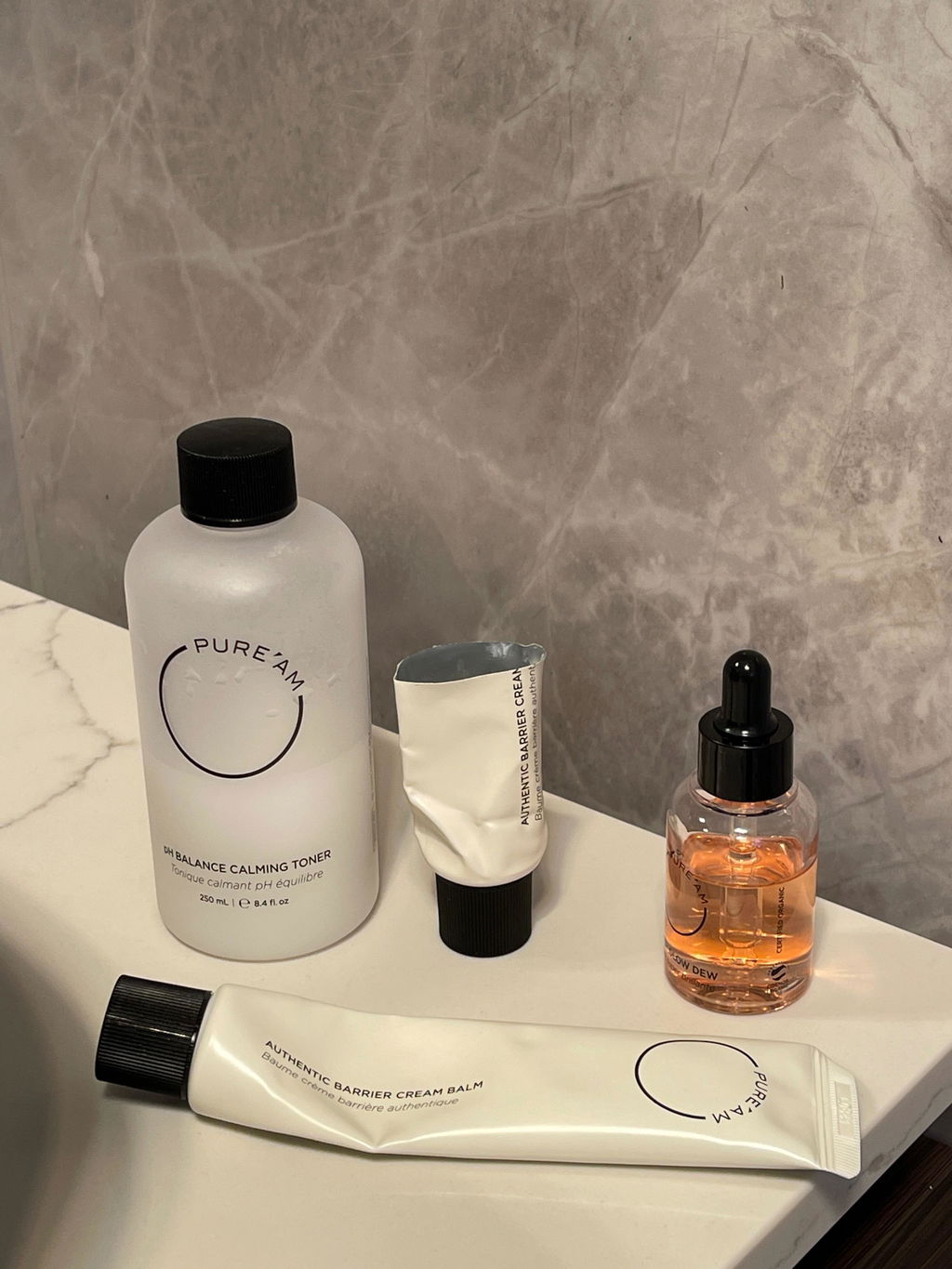
For dry, reactive skin, the order that lets a barrier cream and a face oil each do their job is cleanser, toner, barrier cream, then oil, with sunscreen last in the morning. Before order matters, though, it is worth checking what is actually inside a "calming" oil, because several plant fragrance oils change chemically once they are exposed to air. We walk through why that happens, how common the resulting sensitivity is, and how we sequence our own two products around it.
We get some version of "does oil go before or after cream?" often enough that we want to answer the more useful question first: which oil are you holding? Getting the order wrong usually means a product sits on the surface or pills under sunscreen. An oil that does not suit your skin can come back as redness or itching days later, and that is the problem worth solving before you worry about sequence.
The Order That Works, and Why It Comes Second
Once an oil is one you tolerate, the mechanics are simple. Toner delivers water-based humectants to a freshly cleansed face. Barrier cream follows with the lipids and occlusive layer that hold that water in. An oil applied on top seals the surface further and slows moisture loss overnight. Put the oil on before the cream and you force a water-based formula to push through an existing oil film, which is one of the more common causes of pilling or slipping products people report.
That ordering logic, though, assumes the oil itself is not the variable causing trouble. That is the part we think gets skipped too quickly.
Why a "Calming" Label Does Not Settle the Fragrance Question
Oils marketed around chamomile, lavender, or rose typically carry the aromatic compounds that make them smell that way, most often limonene and linalool. Neither is a strong sensitizer in its original form. DermNet, citing consultant dermatologist Dr Ian Coulson of East Lancashire NHS Trust, explains that limonene and linalool are occasional sensitizers on their own, but once they meet oxygen in the air, both oxidize into hydroperoxides that are considerably more potent allergens. That is why a newly opened bottle can feel fine while the same product causes a reaction months later, once more of the parent compound has had time to oxidize.
These two terpenes show up across the fragrance-oil category broadly. A pediatric patch-test study published in the Journal of the American Academy of Dermatology notes that limonene and linalool are found in roughly 90 to 97 percent of essential oils, which means most naturally scented "calming" formulas carry some amount of one or both.
How Common Is the Resulting Sensitivity
Scale is useful context here. A consecutive patch-testing study in Contact Dermatitis found contact allergy to oxidized linalool in 7.0 percent of the dermatitis patients tested, and to oxidized limonene in 5.1 percent, with an upward trend over time. A separate 2022 review in the same journal, Contact Dermatitis, places general-population fragrance-related allergic contact dermatitis in Europe at an estimated 1.1 to 2.6 percent. The dermatitis-clinic figure is naturally higher than the general-population estimate, since it draws from people already seeking care for a reaction, but both point the same direction: this is a real and apparently growing category of sensitivity, not a rare edge case.
Whether that risk matters much to you generally depends on where your skin starts. A barrier that is already compromised by dryness or over-cleansing has less room to absorb a new variable, which is why we treat "what does this oil add" as a more useful question than "what does this oil promise."
Why Squalane Sits at a Different Starting Point
Squalane is a reasonable baseline precisely because it is not built the same way as a fragrance oil. According to Typology's ingredient explainer, written by chemical engineer Maylis, squalane has a saturated structure with no double bonds, which makes it resistant to oxidation, and it has been reported as non-comedogenic across a number of studies. The same source describes squalane as an emollient that supplements the skin's own sebum and supports the stratum corneum's structure, which slows water loss. Squalene, the unhydrogenated form found naturally in skin, does have double bonds and oxidizes readily; squalane is the hydrogenated, more stable version of that same molecule, and it is the form generally listed on ingredient labels.
Weight and texture matter too. Layering a heavy, film-forming oil on top of a cream that is already rich in lipids tends to show up as slip in the morning or a stuffy feeling by evening. A lighter, fast-absorbing oil at the very end of a routine avoids that for a practical reason rather than a marketing one.
What Our Two Products Actually Contain
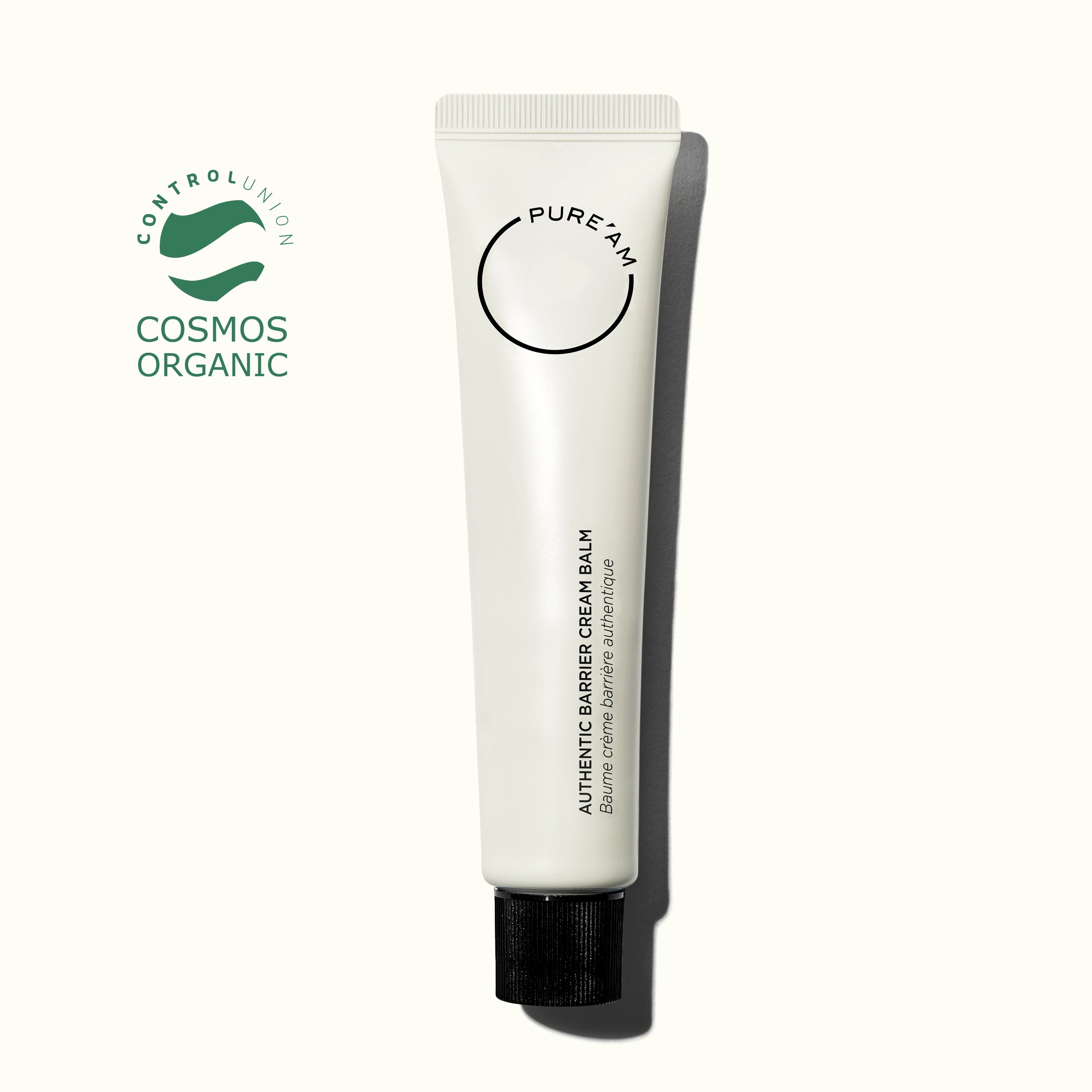
Our AUTHENTIC BARRIER CREAM BALM is a fragrance-free cream balm formulated with alpha-bisabolol, organic jojoba oil, organic green tea leaf extract, and vegan squalane. Its own product page recommends applying it morning and evening onto toned skin, followed by SUPER GLOW DEW if you are using both.
SUPER GLOW DEW is an oil serum with squalane listed first in its ingredient list. Here is where we want to be direct: alongside sweet almond, chia seed, sunflower seed, and jojoba oils, the formula also contains rose damascena flower oil and bergamot fruit oil. Applying the same standard we just described, if you have a known reaction to fragrance oils or essential oils, we would not recommend this step for you. The barrier cream is doing its full job with or without the oil step on top.
If you have no history of reacting to fragrance ingredients and you find that cream alone leaves your skin feeling dull or slightly rough by evening, one or two drops on top can finish that last step. Skipping the oil step entirely still leaves the barrier cream doing its full moisturizing job on its own.
AUTHENTIC BARRIER CREAM BALM
37 USD
Shop now
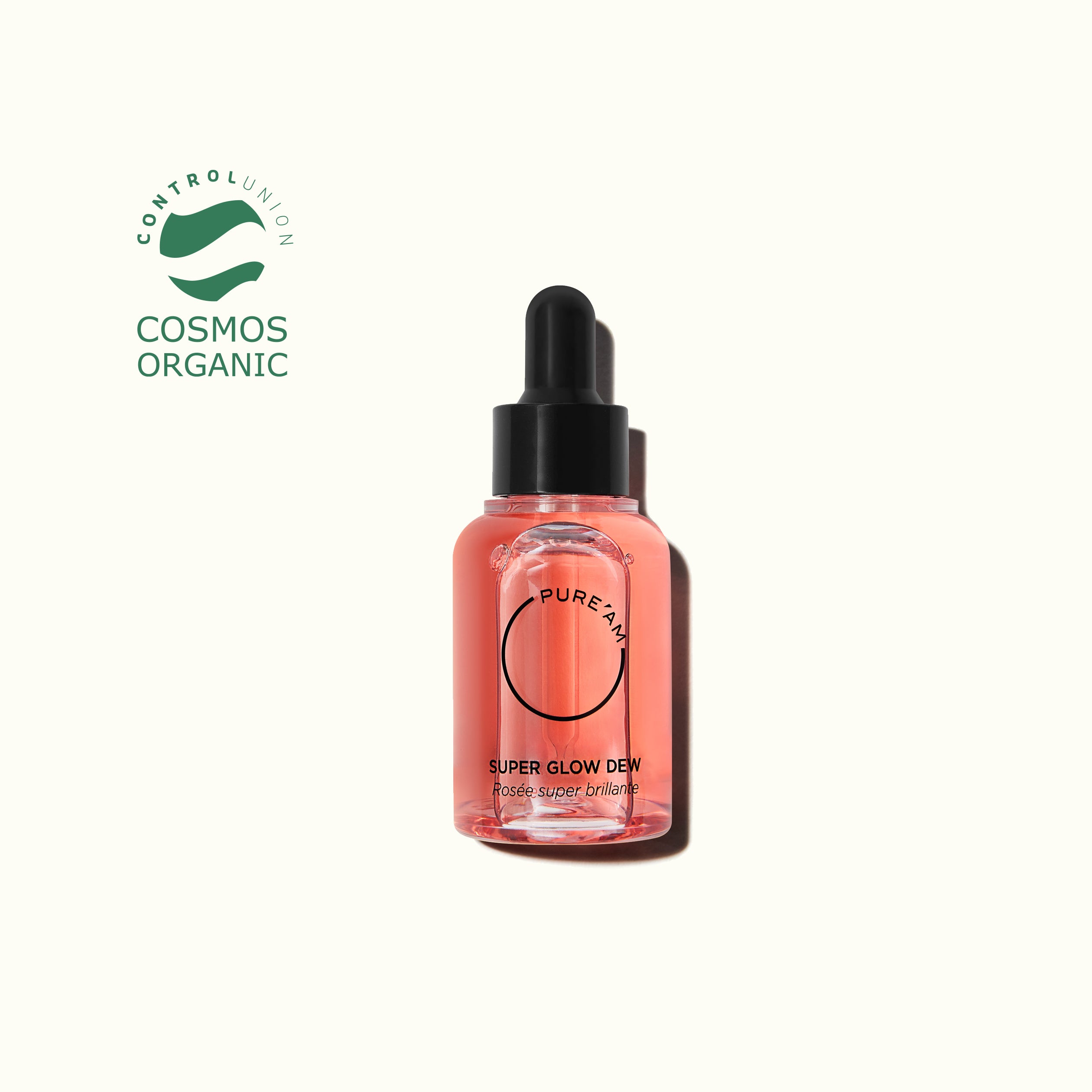
SUPER GLOW DEW
39 USD
Shop now
Evening and Morning Routines, Step by Step
Evening
- Cleanse with a gentle cleanser and pat, rather than rub, skin dry. Applying the next step while skin is slightly damp tends to help absorption.
- Press a toner into the skin with your palms until it is absorbed.
- Smooth on barrier cream in a thin layer, adding a second pass over any noticeably dry patches.
- Wait three to five minutes. A layering guide from PoolBar London notes that applying a product before the previous one has absorbed is a common cause of pilling or surface slip.
- Warm one or two drops of oil between your palms and press it onto drier areas like the cheeks and jawline, rather than rubbing it in.
Morning
Follow the same four steps, then hand the last position to sunscreen instead of oil. CeraVe's routine guide recommends applying sunscreen after moisturizer as the final step of a daytime routine. If you want to use oil in the morning too, apply a very small amount after cream, let it fully absorb, and then apply sunscreen. If a morning routine already feels crowded, keeping oil to evenings only is the simpler option.
For amount and reapplication, the American Academy of Dermatology recommends about one teaspoon for the face, a broad-spectrum SPF 30 or higher product, and reapplication every two hours outdoors.
Three Things to Check If Products Pill or Slip
Absorption time. Pilling is usually a timing issue more than a product-combination one. If three to five minutes between steps feels inconvenient, fill that gap with something short, like brushing your teeth.
How much oil you're using. A step that needs one or two drops will sit on the surface at three or four. Whatever is left on your palms can go on the back of your hands or your neck instead of your face.
How many steps you're running. If tightness continues, it is generally faster to review the earlier steps before adding another one. Whether cleansing is too stripping or a cream's texture still matches your skin's current state is worth checking first; our guide on managing ongoing tightness walks through that in more depth. For a broader look at combining and adjusting amounts across the full toner-cream-oil sequence, see our companion piece on product order.
When We Would Not Recommend This Combination
If you have been diagnosed with contact dermatitis from a fragrance or essential oil, we would leave the oil step out of your routine. If you are under dermatological care or using a prescription product, check with your provider before adding a new step. While skin is actively red or stinging, scaling back to cleanser and moisturizer alone while it settles is generally a better plan than adding another product.
When trying a new oil, patch-testing on a small area under the jawline for a few days before applying it to your whole face is a reasonable precaution. Reactions driven by hydroperoxide buildup often do not show up immediately, so judging a product after a single use can be misleading.
FAQ
Can I use oil right after toner, without cream?
On a day when you want a light layer of moisture and shine, oil after toner works fine on its own. When you are using it alongside barrier cream, cream still takes the position right before oil.
Do I need to avoid all scented oils?
Most people use naturally scented oils without any issue. The caution applies more specifically if your skin is already reactive or if you have a confirmed fragrance allergy, since that is the group the hydroperoxide research above is most relevant to.
Are squalane and squalene the same ingredient?
They are closely related but not identical in stability. Squalene has a double bond that oxidizes readily in air; squalane is the hydrogenated, more stable version of that molecule. Ingredient lists on finished cosmetics generally show squalane rather than squalene.
If I use oil, can I skip cream?
The two steps do different jobs. Cream combines water and lipids to build the moisture layer itself, while oil sits on top afterward to slow how fast that moisture evaporates. Using oil alone without a water-based layer underneath means there is less moisture there to seal in.
If you want to test one change tonight, try waiting a full three minutes after cream before you reach for oil. You can review full ingredient lists and pricing on the AUTHENTIC BARRIER CREAM BALM and SUPER GLOW DEW product pages. How quickly your skin settles into a new step varies person to person, so there is no need to rush the process.