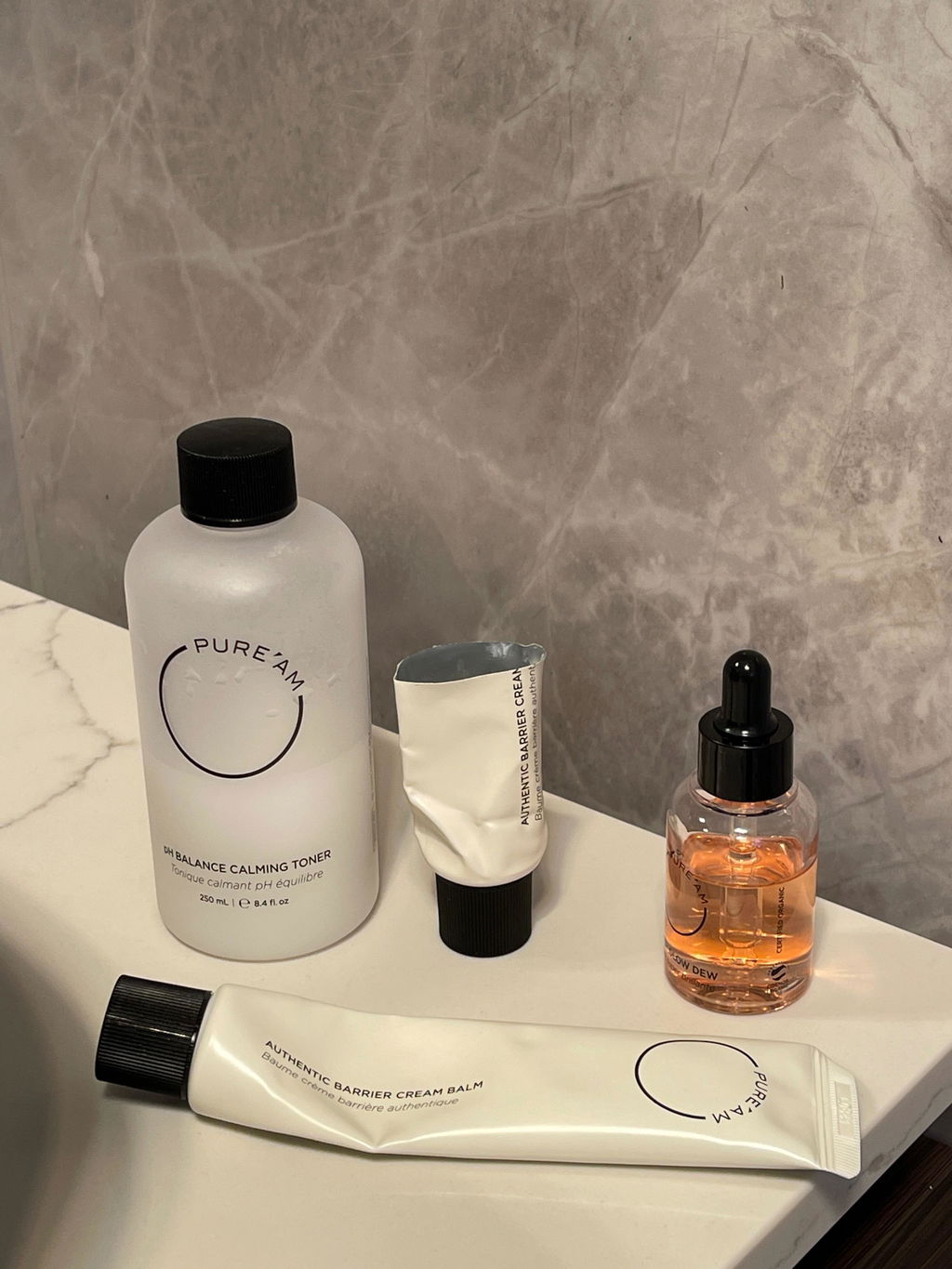
An organic seal tells you how an ingredient was farmed and processed, not whether the finished formula suits reactive skin. We're PURE'AM, and we build our routine (cleanser, toner, barrier cream balm) on whole-formula design, not a single certified ingredient. To judge any brand, including ours, check three things together: what exactly carries the certification, what the front of the ingredient list is doing, and whether acids or fragrant plant oils are disclosed.
The FDA notes that federal cosmetics law does not separately define the word "organic." Certification for that claim comes from the U.S. Department of Agriculture's National Organic Program, which was built to regulate agricultural raw materials, not finished skincare formulas (FDA, USDA AMS). On that same page, the FDA points out that where an ingredient was sourced doesn't determine whether it's safe. Plants can contain substances that cause toxicity or allergic reactions whether or not they were grown organically.
So instead of leaning on "it's organic, so it's gentle," we try to explain what each product in a routine is actually built to do, based on its full ingredient list and texture. We're using our own line below because it's what we can document in detail, but the same three questions apply to any brand's shelf.
What Does an Organic Certification Number Actually Tell You?
Certification math varies by standard, and the percentage on a label answers a narrower question than most people assume. Under Europe's COSMOS standard, the certifying body ICEA states that a COSMOS ORGANIC finished product must contain at least 20% certified organic ingredients by weight (10% for rinse-off products), and at least 95% of the physically processed agricultural ingredients must be organic (ICEA). Water and minerals aren't agricultural ingredients, so they're excluded from that organic-percentage calculation entirely (Expanscience Ingredients).
Those numbers describe sourcing and processing. They say nothing about barrier support or irritation potential; that's a separate question the certificate was never designed to answer. We went through how to read certification grades and percentages in more depth in What Organic Skincare Certification Actually Covers.
If you're shopping in the U.S., one more distinction is worth knowing. The Organic Trade Association explains that the National Organic Program only weighs in on cosmetics that voluntarily seek certification and use the USDA Organic seal; everything else can be certified and sold under private certification standards instead (Organic Trade Association). Checking the certifying body's name and registration number tells you more than the shape of the seal does.
Hero-Ingredient Percentages vs. Whole-Formula Design
A hero-ingredient percentage tells you how much of one thing is in a bottle. Whole-formula design tells you what ratio of cleansing, moisturizing, and emollient ingredients were combined, and in what order, and why that texture was chosen. For dry, reactive skin, the second one usually matters more for how a product actually feels.
A few terms worth defining before we go further:
- Humectant: an ingredient like glycerin or hyaluronic acid that draws in and holds onto water.
- Emollient: a lipid ingredient like shea butter or squalane that smooths the skin's surface and slows water loss.
- Surfactant: a cleansing ingredient that lets water and oil mix so it can rinse away debris.
The American Academy of Dermatology's guidance on rosacea-prone skin notes that moisturizing can trap water in skin and replenish the lipids needed to ease irritation (AAD). Separately, the AAD advises that for dry skin, a cream or ointment typically delivers more moisture than a lotion does (AAD). That's a practical reason to look at whether a barrier cream pairs a humectant with an emollient, and whether the texture matches how dry your skin actually is, rather than judging it by one standout ingredient's percentage.
Reading Our Own Ingredient Lists as an Example
We pulled the disclosed ingredient lists and product descriptions from our own official product pages into one table, side by side with what a sensitive-skin shopper should check first.
| Product | Front of ingredient list | Role in routine | Organic disclosure | Check first |
|---|---|---|---|---|
| AMINO ACID MILD CLEANSER | Water, Glycerin, Sodium Cocoyl Glycinate, Sodium Cocoyl Glutamate | Amino-acid surfactant cleansing | Description centers on surfactant blend | Contains Salicylic Acid, Rosmarinus Officinalis (Rosemary) Leaf Oil, and tea tree leaf extract |
| pH BALANCE CALMING TONER | Water, *Citrus Junos Fruit Water, *Glycerin, Pentylene Glycol, Ceramide NP | Post-cleanse hydration and calming | Labeled *10% Organic / 100% Natural, Certified Organic by CUK (CU856114) | Asterisked ingredients are the certified-organic ones |
| AUTHENTIC BARRIER CREAM BALM | Water, *Citrus Junos Fruit Water, *Glycerin, *Butyrospermum Parkii (Shea) Butter | Moisture and barrier care | Asterisked ingredients marked as certified organic | Named "balm," but the first ingredient is water |
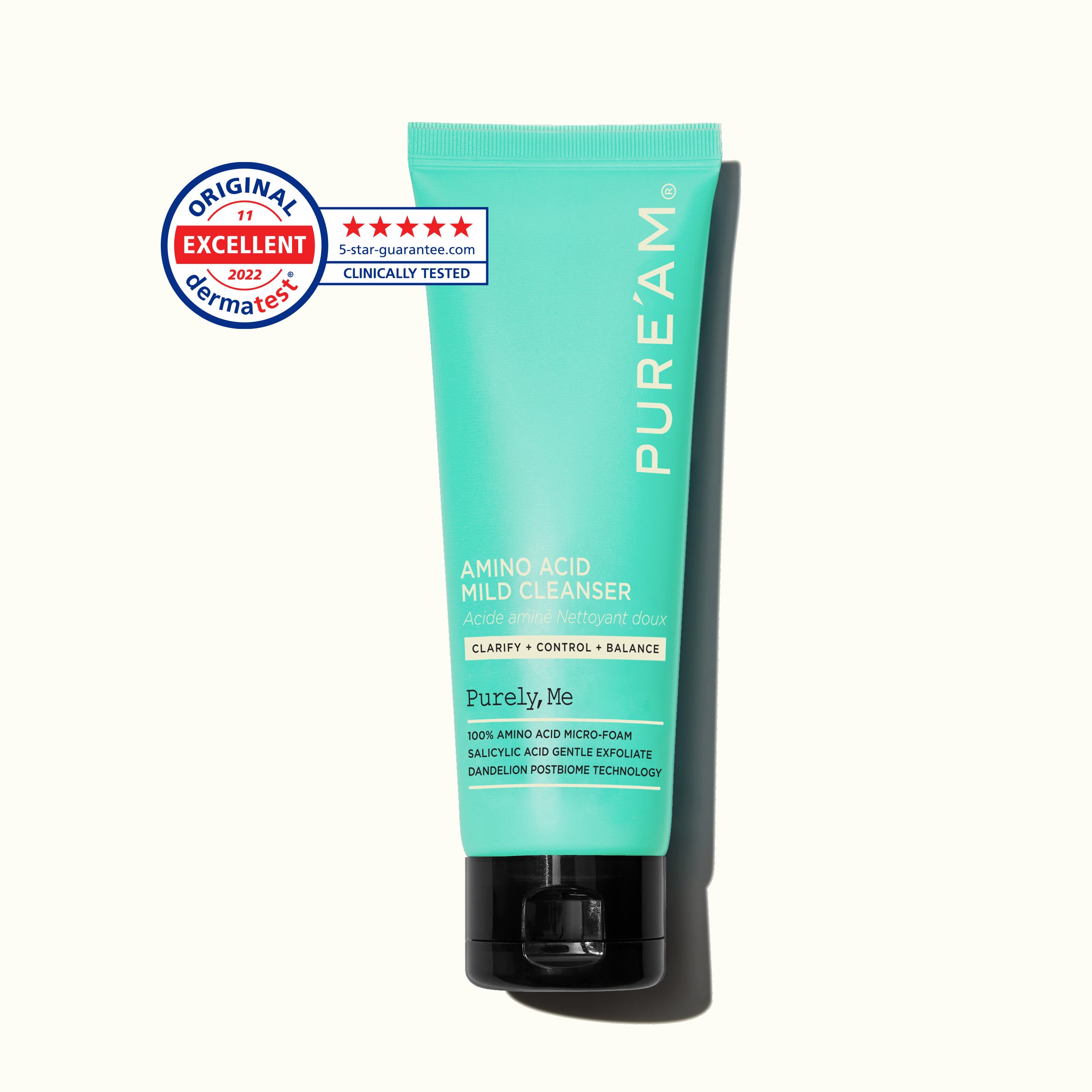
Full ingredient lists and certification marks for the toner and cream balm are listed on our official store's ingredient section for the GRATITUDE KIT product page.
Cleanser: Amino-Acid Surfactants and Salicylic Acid, Both Disclosed
Our AMINO ACID MILD CLEANSER's official product page states it uses 100% vegan amino-acid surfactants alongside salicylic acid, an exfoliating ingredient. That means the surfactant choice is gentle; it doesn't mean the formula is acid-free. The AAD advises that salicylic acid can cause dryness and irritation, and recommends pairing it with a gentle daily moisturizer (AAD).
The ingredient list also includes rosemary leaf oil. If you've reacted to plant-derived fragrance ingredients before, that's worth checking first. We're not estimating the salicylic acid concentration here since it isn't published. If you're currently taking a break from exfoliating acids, it's reasonable to set this cleanser aside for now. We compared several amino-acid cleansers ingredient by ingredient in Amino Acid Cleansers: What Actually Makes Them Gentle.
Toner: Certification Percentage Spelled Out
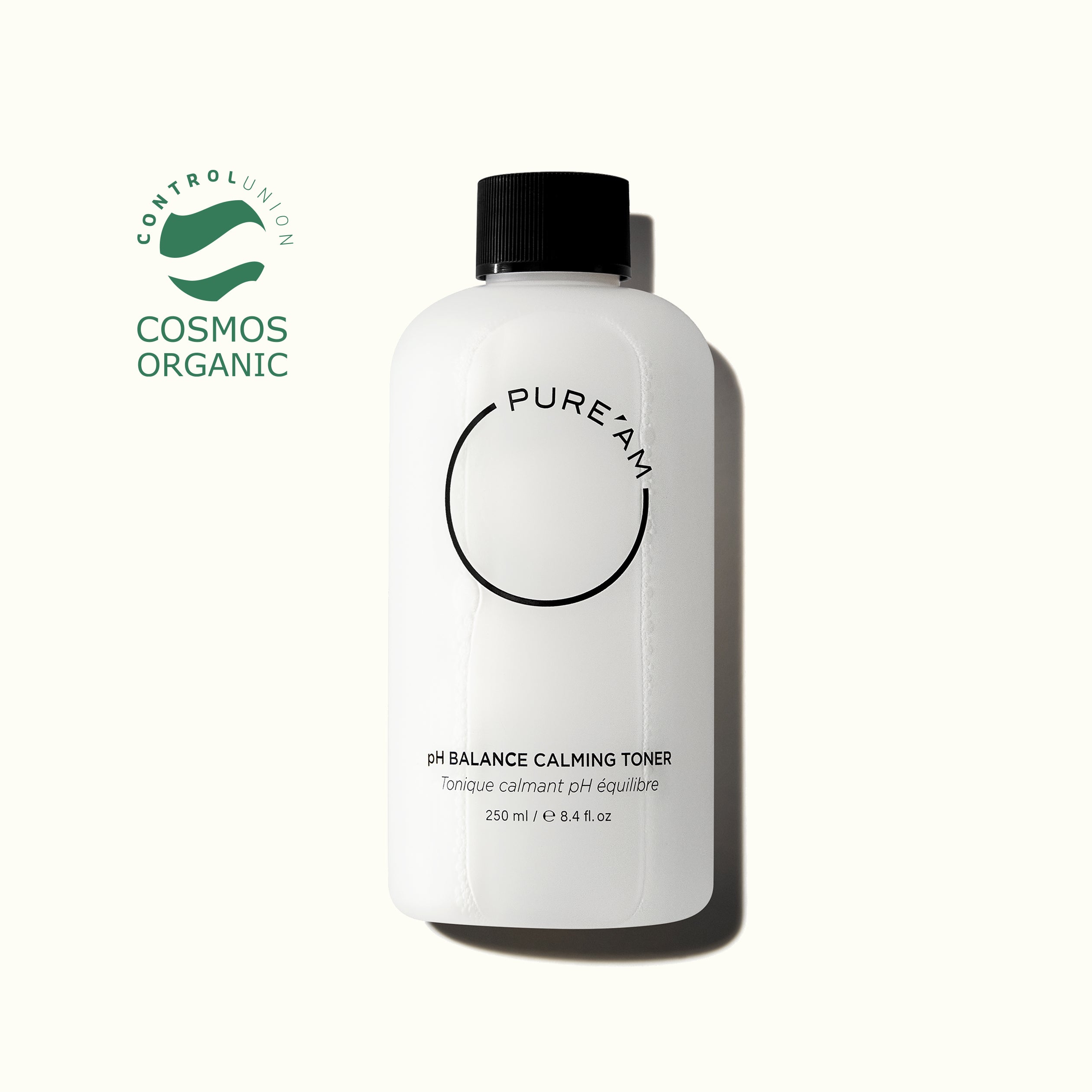
Next to the toner's ingredient list, our label states a 10% organic, 100% natural-origin ratio, along with the certifying body's name and registration number. Having the percentage written out lets you judge the raw-material mix for yourself. That disclosure is specific to the toner's own ingredient panel, so it isn't accurate to assume the same certification automatically extends to every other product in the line.
Cream Balm: Separate the Name From the Formula
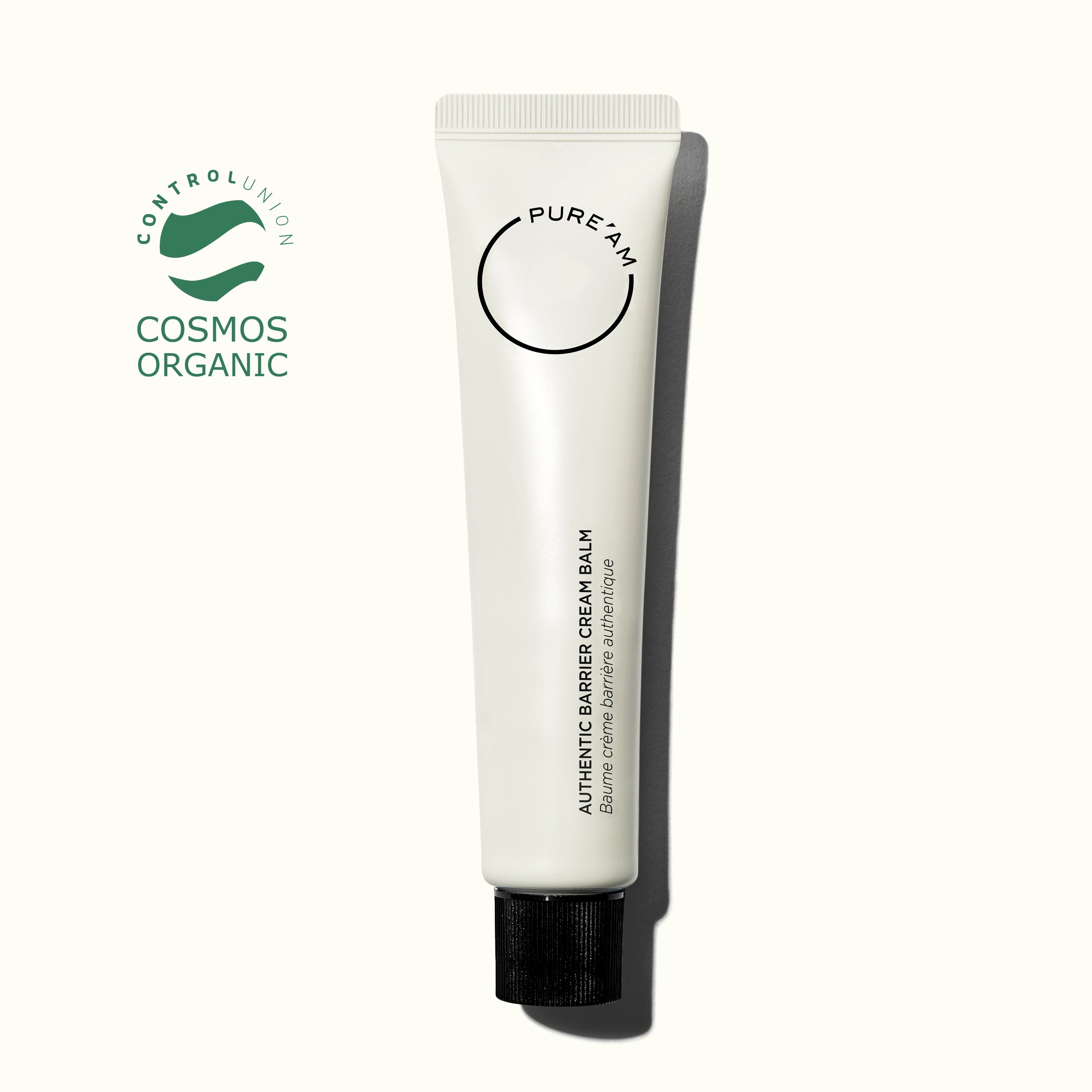
AUTHENTIC BARRIER CREAM BALM has "balm" in its name, but its ingredient list opens with water. If you were expecting an anhydrous, waterless balm, this texture may read differently than you expect. The product page describes vegan ceramides, a blend of three types of hyaluronic acid plus polyglutamic acid, and shea butter in a creamy balm texture, and it's labeled Fragrance-Free. That pairing of a humectant and an emollient in one formula connects directly to the selection criteria above. We don't have a published ceramide-to-lipid ratio for this product, so we're not stating one here.
Routine Order and When a Step Is Optional
Per our official usage instructions, when using all four products the order is cleanser, toner, cream balm, then SUPER GLOW DEW. The cream balm's product page instructs applying it to skin that's been cleansed and toned, then finishing with SUPER GLOW DEW. Sunscreen goes on top of that in the morning.
| Step | Role | When it's optional |
|---|---|---|
| 1. AMINO ACID MILD CLEANSER | Cleansing | If a water-only morning rinse feels comfortable, use it in the evening only |
| 2. pH BALANCE CALMING TONER | Post-cleanse hydration and calming | Optional if the cream alone leaves no tightness |
| 3. AUTHENTIC BARRIER CREAM BALM | Moisture and barrier care | Generally worth keeping for dry, reactive skin |
| 4. SUPER GLOW DEW | Oil and moisture balance, final step | Skip if the cream is enough, or if the finish feels too rich |
These four roles describe what each step is built to do; you can pick only the ones your skin currently needs. New York dermatologist Marisa Garshick, MD, FAAD, told the AAD that skin care doesn't have to be complicated to work, and that using fewer products consistently tends to work better (AAD). We continued this idea of routine simplification in Why Does Sensitive Skin Still Feel Tight Between Steps?
AMINO ACID MILD CLEANSER
23 USD
Shop now
pH BALANCE CALMING TONER
29 USD
Shop now
AUTHENTIC BARRIER CREAM BALM
37 USD
Shop now
Five Things to Check With Any Brand
When you're comparing barrier-cream brands that come up often in recommendations, like Round Lab, Aestura, or La Roche-Posay, the same five questions apply:
- Is a certifying body and registration number listed? A named organization and a number let you verify the certification's scope yourself.
- Which product or ingredient does the certification actually cover? Check whether it's a raw-material certification or a finished-product one, and which asterisked ingredients it applies to.
- Can you explain what the front five ingredients are doing? Look for how cleansing, moisturizing, and emollient ingredients are arranged.
- Are acids, plant oils, and fragrance disclosed rather than hidden? Put the word "gentle" next to the actual ingredient list. The AAD notes that even "unscented" products can contain masking chemicals, and recommends choosing "fragrance-free" instead (AAD).
- Does the brand explain the order of use and which steps are optional? If each step's job is spelled out, it's easier to pick only what you need.
We laid a side-by-side comparison of certification transparency across several organic-positioned brands in Organic Certification Transparency: 4 Brands Compared.
FAQ
If a product doesn't carry the USDA Organic seal, does that mean it isn't organic?
Not necessarily. The Organic Trade Association notes that cosmetics can be certified and sold under private organic standards outside the USDA seal (Organic Trade Association). Whatever seal appears, the useful step is checking the certifying body's name, its registration number, and its scope.
Are "fragrance-free" and "unscented" the same thing?
No, they follow different standards. The AAD explains that "unscented" products can still contain masking chemicals added to cover the smell of other ingredients, and that these can irritate dry or sensitive skin (AAD). Even a fragrance-free label doesn't rule out naturally scented ingredients like plant oils, so it's worth reading the full ingredient list either way.
If the first ingredient is water, is a cream weak on moisture?
You can't judge moisture from the first ingredient alone. Most creams are water-based and build in humectants and emollients afterward. What matters more is which moisturizing and lipid ingredients follow the water, and whether the product is formulated as a cream, lotion, or balm texture.
What should I do if a new product causes a reaction?
Stop using it first. The AAD advises that if skin keeps reacting to over-the-counter products, seeing a board-certified dermatologist for a proper diagnosis is the next step (AAD).
One Thing to Try Today
Write down the first five ingredients on the cream you're currently using, and mark which ones are humectants and which are emollients. If it carries an organic claim, jot down the certifying body's name and registration number next to it too. If you'd like to start with ours, the ingredient panel for the AUTHENTIC BARRIER DUO, which pairs the cream balm with the cleanser, is a reasonable place to begin reading closely.