If your face feels tight right after washing, start with the cleanser label before adding another moisturizing step. Research on cleansing points to the surfactant class and pH as the variables most linked to that pulled, dry feeling, and amino-acid surfactants are generally reported as milder than sulfate or soap-based ones. Reading the first few ingredients on the list, in order, tells you more about how a cleanser will feel than a "gentle" claim on the front of the bottle.
"My skin feels tight the second I rinse" is one of the most common things we hear from people with dry, reactive skin. We treat that sensation as a starting point for checking what kind of cleansing ingredient is actually in the bottle, not a sign that the next step needs to work harder. Once you understand why the tightness happens, you can often spot a milder cleanser from the ingredient list alone.
If you want a side-by-side look at a few gentle cleansers measured against the same criteria, see our comparison of five amino acid cleansers for sensitive skin.
What Tightness After Washing Actually Signals
One term first: a surfactant is the cleansing ingredient that lets water and oil mix so a product can lift away sebum and debris. The stratum corneum is the outermost layer of skin that normally keeps water from escaping.
In a 2004 Dermatologic Therapy review, K. P. Ananthapadmanabhan and coauthors (Unilever Research) summarized that harsher surfactants can damage skin proteins and lipids, and that this damage can show up as tightness, dryness, impaired barrier function, irritation, and itching after washing. The same review notes that essentially every surfactant interacts with skin lipids to some degree, but how strongly a surfactant binds to skin protein varies widely depending on the structure of its head group. Milder surfactants are generally classified by weaker protein interaction.
A related 2013 paper in the International Journal of Cosmetic Science, again with Ananthapadmanabhan as lead author, lays out the mechanism in more detail:
- During washing, corneocytes (skin cells in the outer layer) absorb water, and that water evaporates as skin dries afterward.
- This temporary swelling is more pronounced with harsher cleansing, and the effect is linked to strong anionic surfactants binding to corneocyte proteins and swelling the cells further.
- Stratum corneum lipids depend on a specific ratio of ceramides, fatty acids, and cholesterol to hold their structure; stripping out more of one component than another can destabilize that lipid structure.
Put together, the tightness right after cleansing can be a signal of how strongly the cleansing ingredient acted on skin proteins and lipids. Worth noting: this research comes largely from reviews and lab work run by surfactant manufacturers' own teams, and how tight any one person's skin actually feels will vary with their skin condition and washing habits.
Why Surfactant Class Is the Bigger Variable
Two cleansers can both be labeled "pH-balanced" or "gentle" and still feel completely different on skin, because what matters most is which surfactant is actually doing the cleansing. In a 2019 review in Tenside Surfactants Detergents, Ananthapadmanabhan summarized existing literature finding that amino-acid surfactants are generally milder than alkyl sulfates or carboxylate (soap-based) surfactants in the same product categories. The review also points out that, unlike alkyl sulfates, amino-acid surfactants can be fine-tuned by adjusting pH.
On the glycinate sub-class specifically, a 2013 study in the Journal of Clinical and Aesthetic Dermatology reported that glycinate-based surfactants can produce foam while showing a lower likelihood of stratum corneum damage. The comparison to other anionic surfactants in that study was based on in-vitro (lab, not on-skin) results with data not published in the paper itself, and the study was conducted on a body wash rather than a facial product, which limits how directly it applies to the face.
Here is how to spot the common surfactant classes on an ingredient list:
| Class | Typical INCI names | How to read it |
|---|---|---|
| Amino acid | Sodium Cocoyl Glycinate, Sodium Cocoyl Glutamate, Sodium Cocoyl Alaninate, Sodium Cocoyl Apple Amino Acids | An amino acid name (Glycinate, Glutamate, Alaninate) attached to the surfactant means it's in this class. The earlier it appears, the more likely it's the primary cleansing agent. |
| Taurate | Sodium Methyl Cocoyl Taurate | Derived from taurine, an amino sulfonic acid. Listed separately here since it's technically distinct from the amino acid class above. |
| Isethionate | Sodium Cocoyl Isethionate | Pairing this with an amino-acid surfactant has been described as a mild, pleasant-feeling cleansing system in US Patent 10,376,456. |
| Sulfate | Sodium Lauryl Sulfate, Sodium Laureth Sulfate | Positioned as a less-mild comparison point against amino acid surfactants in the 2019 review above. |
| Soap (fatty acid salt) | Potassium Myristate, Potassium Stearate, or a fatty acid plus Potassium Hydroxide | A carboxylate surfactant, also positioned as less mild than amino acid surfactants in the same review. |
pH Is the Second Thing to Check
pH is a number describing how acidic or alkaline a solution is. The 2004 Dermatologic Therapy review named cleanser pH as a factor that can compound the dryness and irritation already caused by the surfactant itself.
Brands frequently don't publish the actual pH number on the package. Because of that, we recommend checking the primary surfactant class first rather than relying on a "pH-balanced" claim alone, and treating a published pH number or test condition as supporting evidence when a brand does share one. Since amino-acid surfactants can behave differently depending on pH, the two variables are hard to judge in isolation.
Four Things to Check Near the Top of the Ingredient List
Under South Korea's cosmetic labeling standard, ingredients are listed in descending order by concentration, with an exception: ingredients used at 1% or below, along with fragrance and coloring agents, can appear in any order regardless of concentration (South Korea cosmetic labeling standard). That convention means the first handful of ingredients tell you the most about a formula's character, while order further down the list isn't a reliable way to compare concentrations.
- Primary surfactant class. Check which cleansing ingredient follows water on the list, and match it against the table above.
- Where humectants sit. Look for ingredients like Glycerin or Butylene Glycol near the top. The 2004 review describes a well-designed cleanser as one that leaves behind humectants and lipid-like ingredients during washing to support skin's water content.
- Exfoliating acids. Check for Salicylic Acid, Glycolic Acid, Lactic Acid, or Betaine Salicylate. This is a separate question from surfactant mildness, and it matters most if you're already using a retinoid or an exfoliating serum.
- Fragrance and essential oils. Look beyond "Fragrance" or "Parfum" for plant-oil ingredients listed by name, such as a "Leaf Oil." If you're fragrance-reactive, these are worth flagging even when "fragrance-free" appears on the front label.
What the Amino Acid Cleanser Research Actually Shows
There is human-subject research on amino-acid cleansing products specifically. A 2025 study in Cureus by Maheshvari Patel and coauthors had 27 healthy adults with dry, oily, sensitive, combination, and normal skin use a soap-free cleansing lotion containing cetyl alcohol and sodium cocoyl apple amino acids for 30 days. The researchers reported significant improvement across all measured parameters, including hydration and barrier function, with no adverse reactions during the study period.
A few conditions are worth keeping in mind when reading that result:
- It's an open-label study (no blinding) with 27 participants.
- It tested one specific cleansing lotion, and the author affiliations include a product R&D company.
- Containing the same surfactant doesn't mean another cleanser with it will produce the same measured results.
We treat this study as background showing that amino-acid surfactants have been studied under conditions that include sensitive skin, not as effectiveness evidence for a different, specific product.
Reading Our Own Cleanser Against the Same Checklist
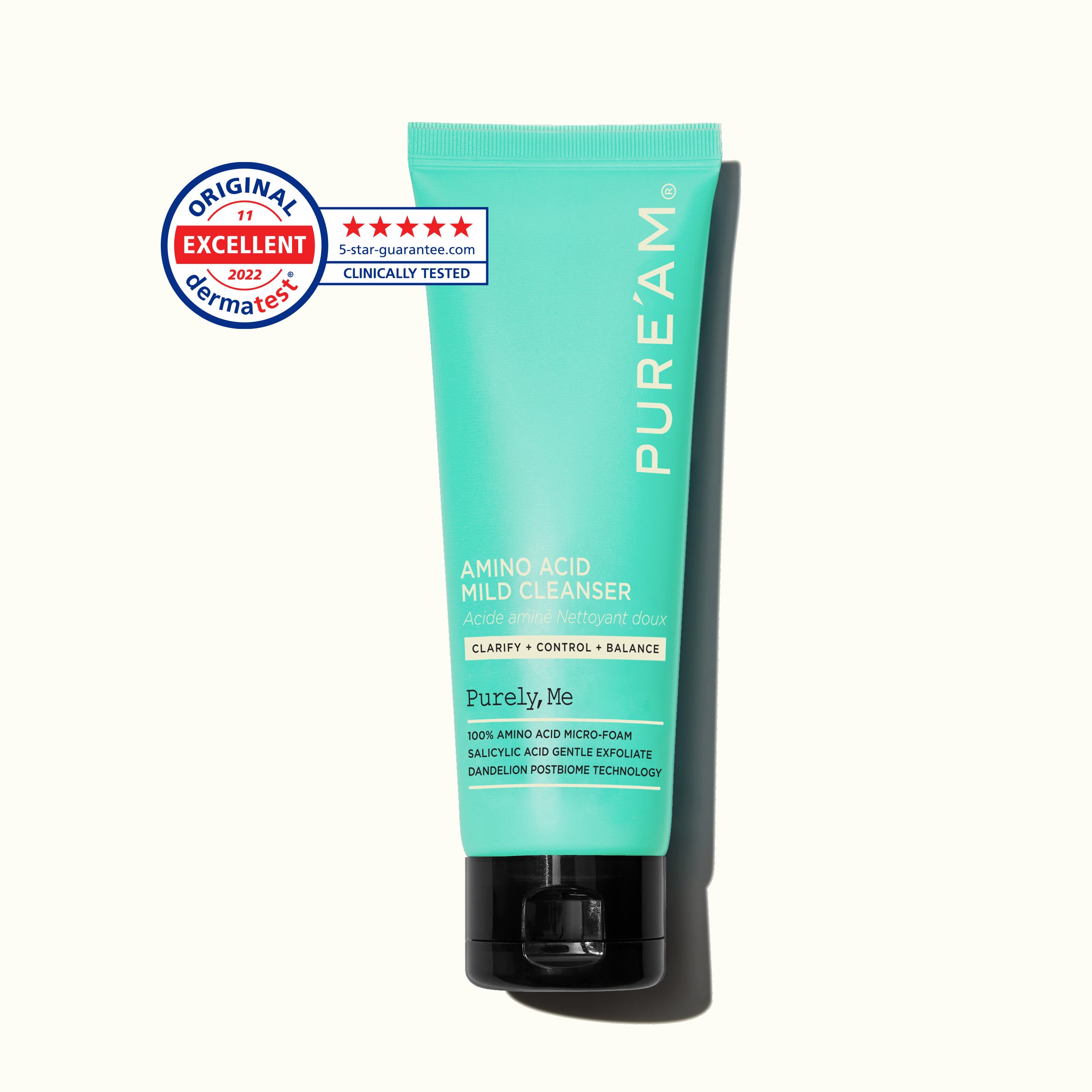
As an example, here's how our AMINO ACID MILD CLEANSER ($23) reads against the four checks above, based on its published ingredient list.
| Check | What the ingredient list shows | How to read it |
|---|---|---|
| Primary surfactant | Sodium Cocoyl Glycinate and Sodium Cocoyl Glutamate appear third and fourth, Sodium Methyl Cocoyl Taurate sixth, and Sodium Cocoyl Apple Amino Acids further down | The product page describes it as 100% amino acid-based surfactants, with no sulfate or soap-based surfactants in the ingredient list. |
| Humectant placement | Glycerin appears second, Butylene Glycol fifth | Humectants sit near the top of the list. |
| Exfoliating acid | Contains Salicylic Acid | This may not suit someone who is currently avoiding all exfoliating acids. |
| Fragrance / essential oils | Contains Rosmarinus Officinalis (Rosemary) Leaf Oil and Melaleuca Alternifolia (Tea Tree) Leaf Extract | Worth checking if you're sensitive to plant oils or extracts. |
The product page positions this as a micro-foam cleanser for sensitive, breakout-prone skin. Its surfactant class and humectant placement fit the checklist in this article well, but we want to be upfront that it does contain salicylic acid and plant oils. If you're resting all exfoliating ingredients, an acid-free amino acid cleanser may suit you better; our five-cleanser comparison covers a few of those options.
After cleansing, we generally recommend a toner if your routine includes one, followed by AUTHENTIC BARRIER CREAM BALM ($37) to finish the moisture step. The toner can be skipped depending on your skin's needs, and sunscreen goes on last in the morning. We walk through each step's role in more detail in our 4-step routine for dry, sensitive skin.
AMINO ACID MILD CLEANSER
23 USD
Shop now
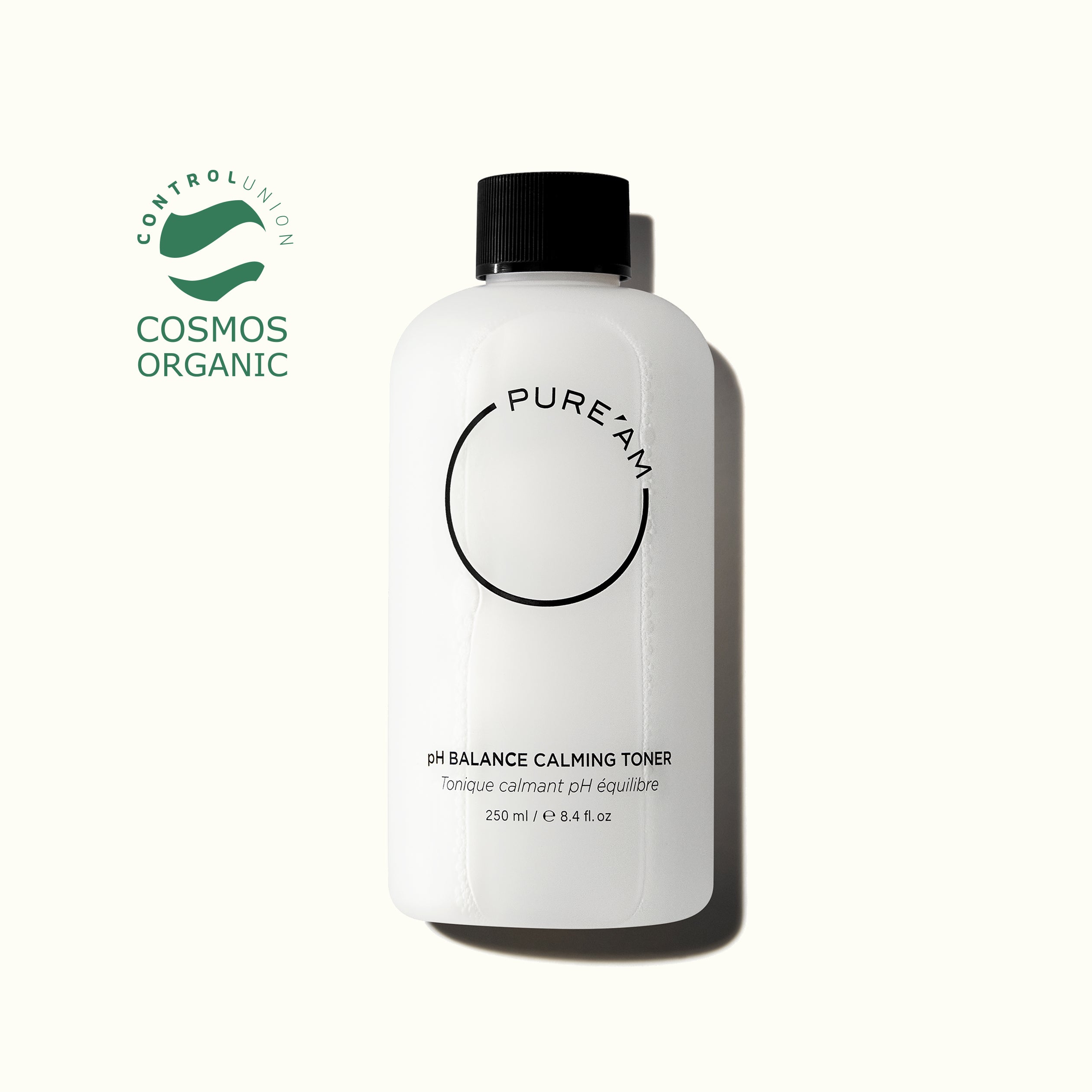
pH BALANCE CALMING TONER
29 USD
Shop now
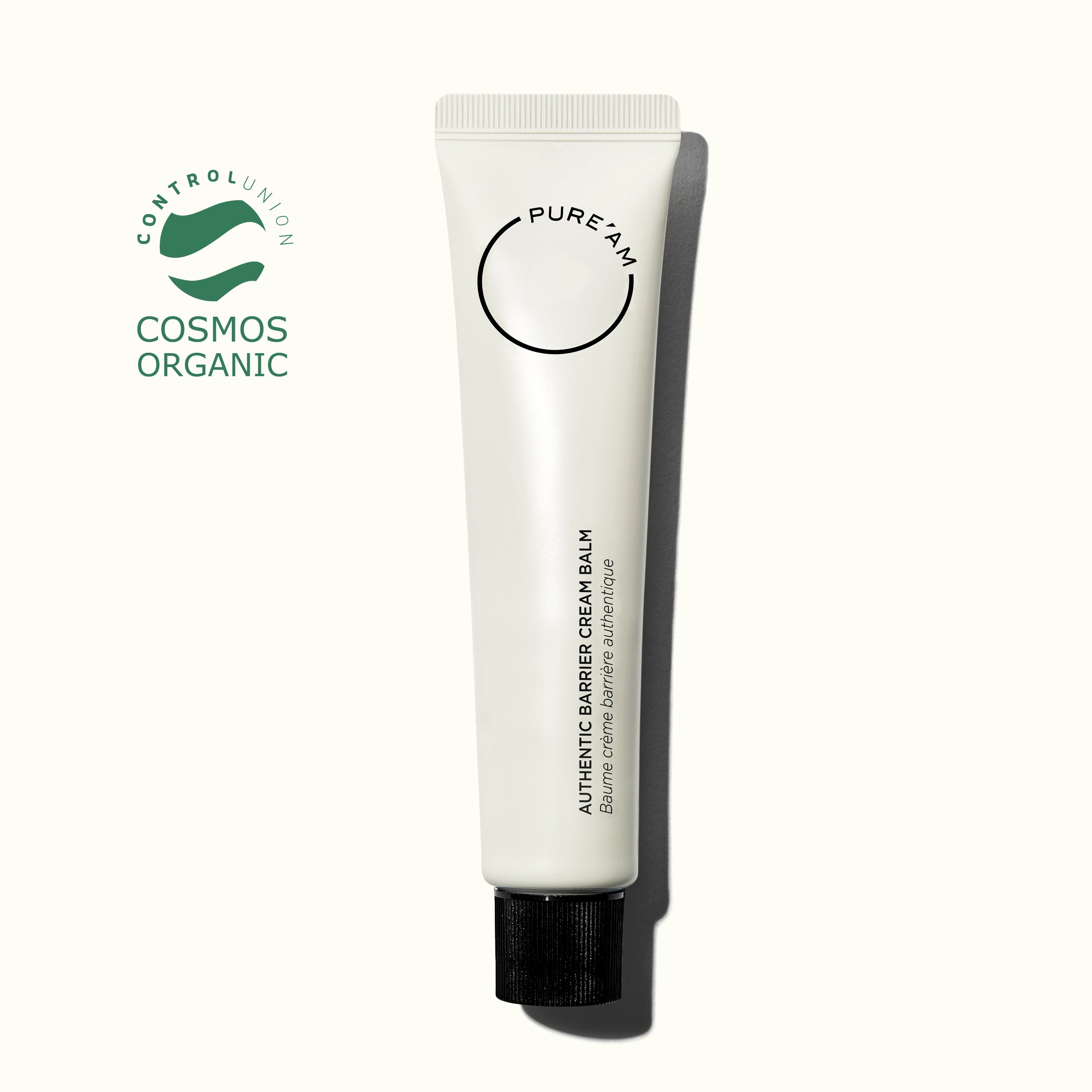
AUTHENTIC BARRIER CREAM BALM
37 USD
Shop now
If Tightness Persists After Switching Cleansers
Changing one variable at a time makes it easier to find the actual cause.
- Check whether your current cleanser lists a sulfate or soap-based surfactant near the top.
- Check whether you're layering an acid-containing cleanser with an exfoliating serum or toner on the same day.
- If tightness remains after switching cleansers, look at the formula and amount of your moisturizing step next.
- If stinging, redness, or itching continues, talk with a dermatologist rather than continuing to swap products on your own.
FAQ
Does less foam mean a milder cleanser?
Foam volume alone isn't a reliable indicator. The JCAD study found that glycinate surfactants form small micelles that produce a creamy foam while showing lower potential for stratum corneum damage. Check the surfactant class near the top of the ingredient list before judging mildness by lather.
Is one amino-acid cleanse enough on a day I wore sunscreen?
It depends on the sunscreen's formula and how much you applied. We cover when double cleansing is actually necessary, and how to avoid over-cleansing reactive skin, in our double-cleanse guide.
If an ingredient list includes Salicylic Acid, should dry skin avoid it entirely?
Not necessarily across the board. If you're already using a retinoid or another exfoliating product, choosing an acid-free cleanser or adjusting frequency helps avoid stacking exfoliation. Stop use and check with a professional if your skin stings or turns red.
Can I compare concentrations using ingredients lower on the list?
That's difficult to do reliably. Under labeling conventions like South Korea's, ingredients at 1% or below, plus fragrance and coloring agents, can be listed in any order, so the sequence further down the list doesn't reflect concentration differences.
One Thing to Try Today
Pull out your current cleanser and read just the three or four ingredients listed after water. Knowing which surfactant class they belong to gives you a much clearer basis for choosing your next cleanser than a "gentle" claim on the front of the bottle. If you'd like to see what an amino-acid-based formula looks like in full, the complete ingredient list for our AMINO ACID MILD CLEANSER is on its product page.