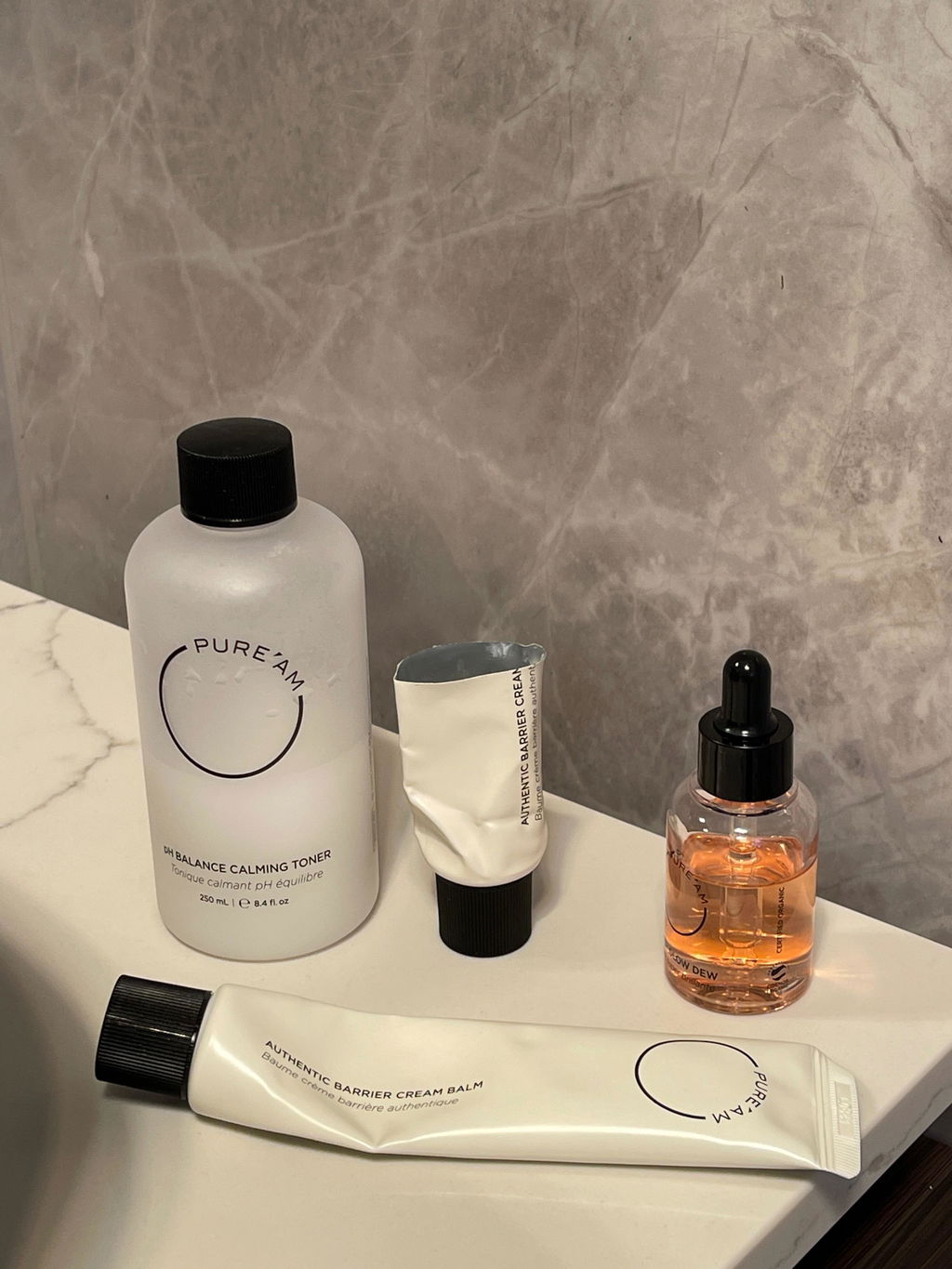
For dry, sensitive skin, we find fewer routines fail when cleanser and serum are evaluated as one unit rather than two separate purchases. We use three checkpoints: the cleanser's surfactant class, whether it discloses essential oils, and whether the serum's job matches the skin state cleansing leaves behind. Below we rank five pairings against those checkpoints, plus who each one fits and where it falls short.
When skin feels tight after washing, most advice stops at "use a gentler cleanser" or "add a hydrating serum." What we keep coming back to on this blog is the handoff between those two steps. If we don't know what a cleanser leaves behind, and what the next step is supposed to do about it, adding more products just adds more variables.
A surfactant is the cleansing ingredient that lifts away both water- and oil-based residue, and different surfactant classes vary in how much skin lipid they take with that residue. TEWL (transepidermal water loss) measures how much water escapes through skin, and it's one way researchers estimate how intact the barrier is.
Three checkpoints for evaluating a pairing
1. The cleanser's surfactant class
Amino-acid-derived surfactants (like sodium cocoyl glutamate or sodium cocoyl alaninate) and sulfate-based surfactants clean differently. The skin barrier is built from ceramides, fatty acids, and cholesterol packed between skin cells, and a cleanser that strips more of that lipid puts every following step at a disadvantage, regardless of what comes next.
2. Essential oils and fragrance ingredients
"Gentle" and "fragrance-free" are not the same claim. Torriden's BALANCEFUL Cleansing Gel, for example, lists Rosmarinus Officinalis (Rosemary) Leaf Oil on its official ingredient list. It's still a gentle formulation built around centella and ceramide NP, but it's one more item to check if you have a history of reacting to specific botanicals. Reactivity is individual, so an ingredient listing works best as a comparison point against your own reaction history.
3. Whether the serum matches what the cleanser leaves behind
Right after cleansing, skin has surface moisture sitting on top of a lipid layer that's been partially removed. Whether a serum replaces water alone, or targets both water and lipid, changes what the pairing actually accomplishes. If moisturizing ingredients alone won't close the gap, a serum built with ceramides tends to connect more directly to what cleansing just did.
What a recent amino-acid cleanser trial shows
A recent test looked at an amino-acid cleanser formulated with salicylic acid, gluconolactone, and ceramides. In a study published in the Journal of Cosmetic Dermatology (2026), researchers had 42 participants use the cleanser for 28 days, tracking TEWL, hydration, sebum, acne lesion counts, redness, and skin texture through noninvasive measurements and dermatologist assessment. After four weeks, barrier function, redness, hydration, and texture had improved, acne-related measures had also decreased, and no adverse events were reported over the course of the trial (Journal of Cosmetic Dermatology, 2026).
The conditions matter here. Participants had acne-prone, oilier skin, the group was 42 people, and the window was four weeks. According to a summary from U.S. Pharmacist (2026), the tested formula combined 2% salicylic acid, 1.1% gluconolactone, niacinamide, and three ceramides, used twice daily. Read this as a record of one formula under one usage pattern, a result specific enough that it may not carry over to a different product (PubMed abstract).
Even with those limits, the trial is useful for one reason: it pushes back on judging a cleanser's mildness purely by whether it contains an acid. The same salicylic acid can behave differently depending on the surfactant base it sits on and whether ceramides are formulated alongside it.
Five pairings, ranked by fit
We ranked these on three factors only: (1) use of a mild surfactant class such as amino acids, (2) essential oil or fragrance disclosure, and (3) whether the serum's role connects to what the cleanser leaves behind, meaning water plus lipid. Price, availability, and brand recognition weren't part of the ranking.
| Rank | Pairing | Surfactant | Essential Oil Listed | Serum-Cleanser Fit |
|---|---|---|---|---|
| 1 | PURE'AM AMINO ACID MILD CLEANSER + BLEMISH THIRST RESCUE SERUM | Amino acid class | None | Same brand guides the order; serum carries 5 ceramides |
| 2 | CeraVe Hydrating Facial Cleanser + The Ordinary Niacinamide 10% + Zinc 1% | Sulfate-free, non-foaming lotion | None (fragrance-free) | Ceramide cleansing plus an oil/texture-focused serum, but lipid replacement sits outside the serum |
| 3 | La Roche-Posay Toleriane Hydrating + a ceramide moisturizing serum | Cocamidopropyl betaine-based | None (fragrance-free) | Redness and comfort focused; serum choice is left to the user |
| 4 | Vanicream Gentle Facial Cleanser + Torriden DIVE-IN Serum | Mild class | None | Hydration-focused; weaker coverage for skin that also breaks out |
| 5 | Torriden BALANCEFUL Cleansing Gel + Torriden DIVE-IN Serum | Amino acid class (sodium cocoyl alaninate) | Rosemary leaf oil present | Same-brand pairing is a plus, but the botanical oil needs a check |
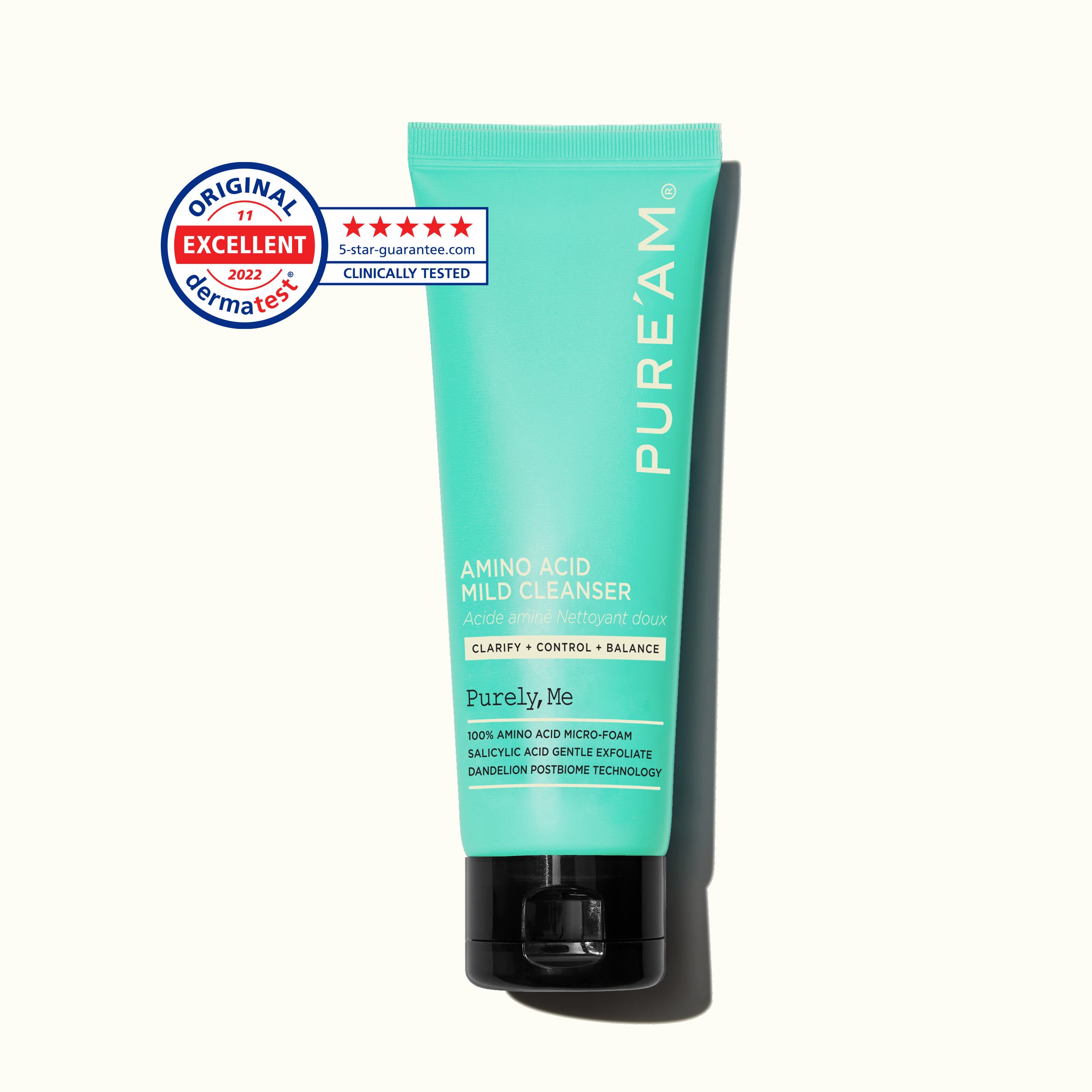
AMINO ACID MILD CLEANSER
23 USD
Shop now
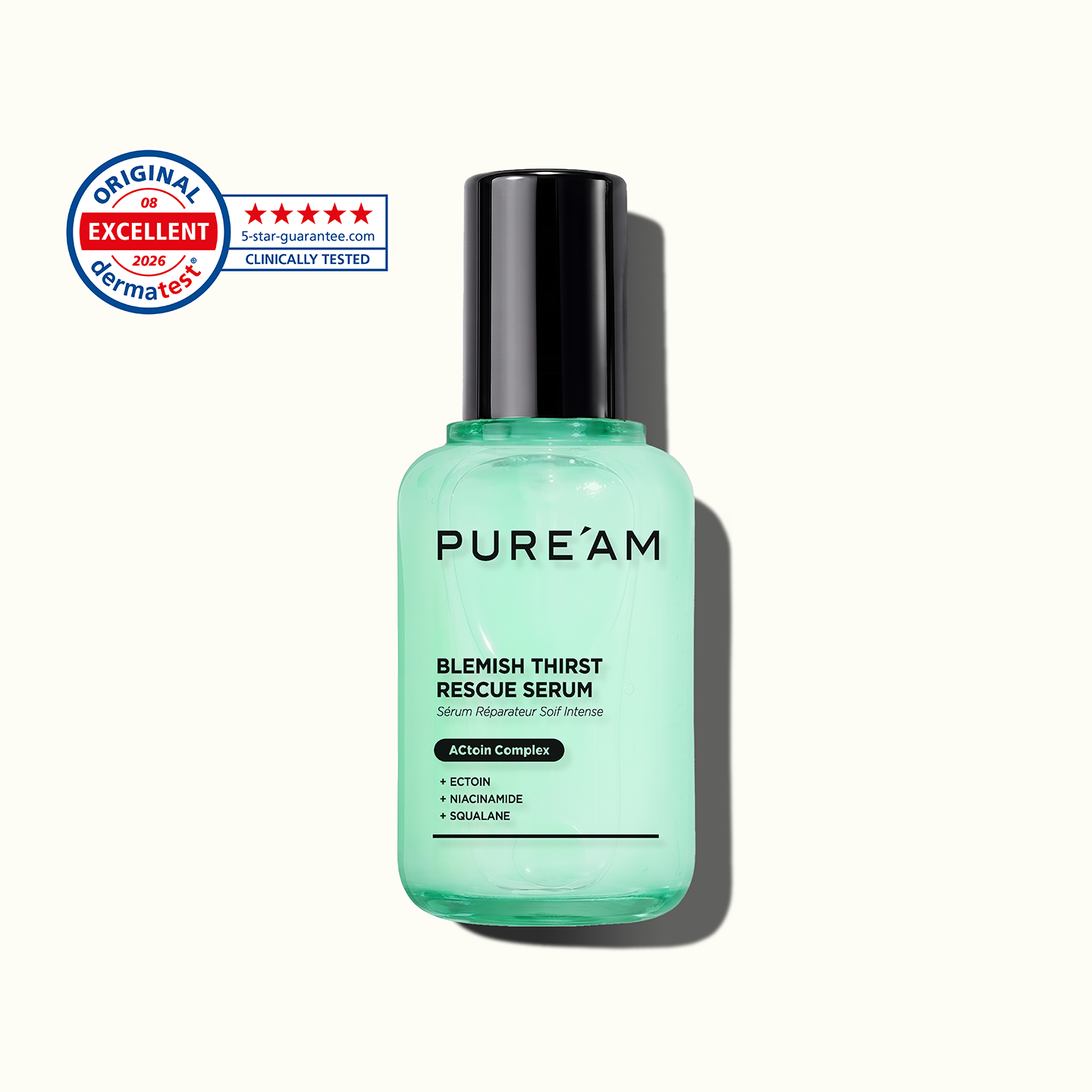
BLEMISH THIRST RESCUE SERUM
35.00 USD
Shop now
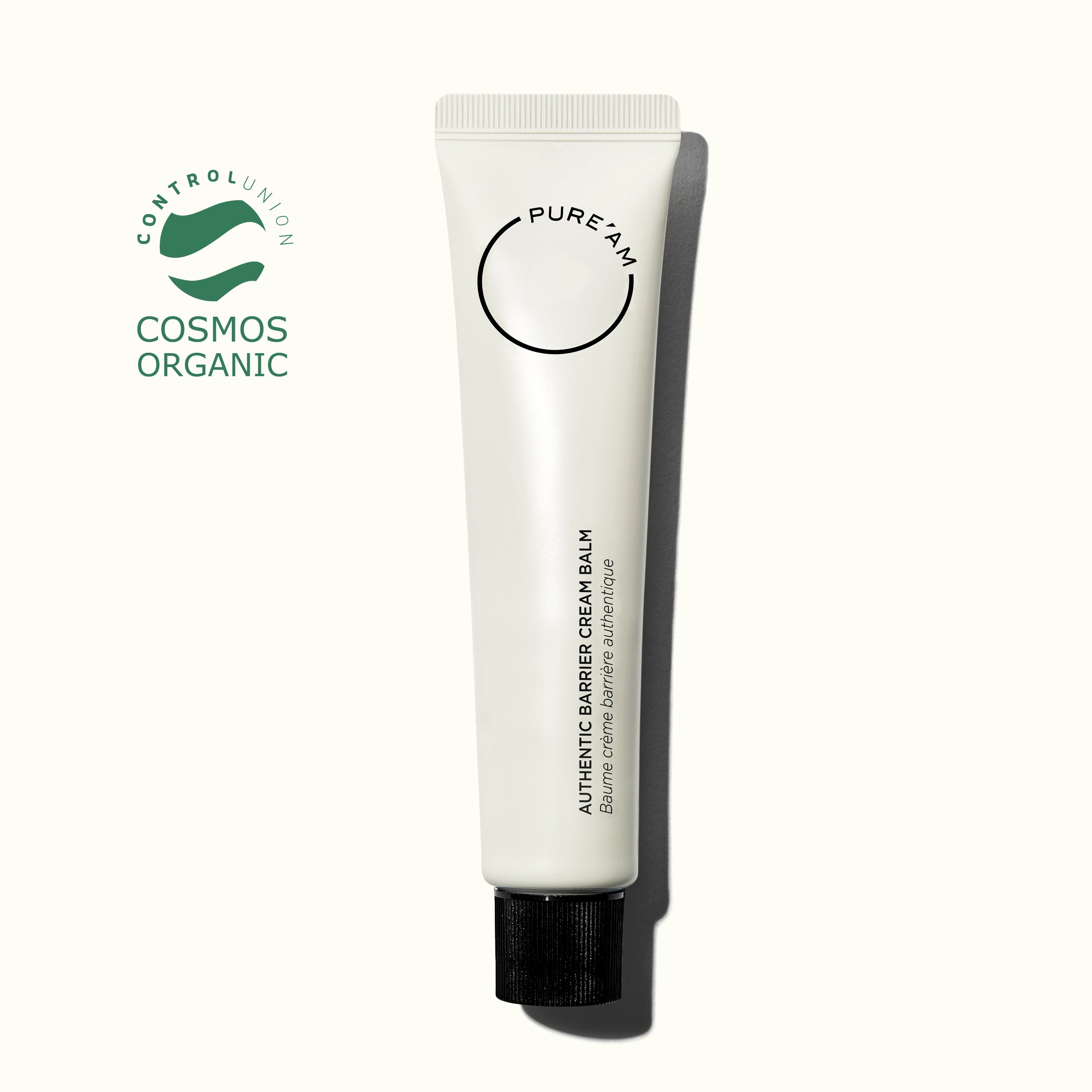
AUTHENTIC BARRIER CREAM BALM
37 USD
Shop now
#1: PURE'AM AMINO ACID MILD CLEANSER + BLEMISH THIRST RESCUE SERUM
Our AMINO ACID MILD CLEANSER is built on an amino-acid surfactant base, and its product page also lists salicylic acid. The "mild" claim describes the cleansing method; whether the acid content is a fit for your skin is a separate question you'll want to check for yourself. If you're taking a break from acids, or have reacted to them before, this cleanser isn't the one to reach for.
The serum side is BLEMISH THIRST RESCUE SERUM, formulated with an ACtoin Complex (ectoin, niacinamide, phyto-squalane) and five ceramide types in a light milky-to-water texture. The product page's recommended order is cleanse and tone, then 2 to 3 drops of serum, then AUTHENTIC BARRIER CREAM BALM.
Against our three checkpoints: the cleanser is amino-acid based, there's no essential oil listed, and the serum is designed to target both water and lipid in the same step. The serum's fresh, comfortable feel described on the product page refers to sensory comfort, not a measured drop in skin temperature or an anti-inflammatory effect, and we're not citing finished-product clinical data here beyond what's confirmed on the product page.
One limit worth noting: if your skin is dry enough to need a thicker lipid layer to feel comfortable, don't stop at the serum. Continue to the cream balm step. And if breakouts are persistent rather than occasional, treat this pairing as maintenance only and see a dermatologist first.
#2: CeraVe Hydrating Facial Cleanser + The Ordinary Niacinamide 10% + Zinc 1%
The cleanser side of this pairing has solid backing. CeraVe Hydrating Facial Cleanser's ingredient list includes ceramides NP, AP, and EOP, along with cholesterol and sodium hyaluronate, with no fragrance listed. It's a non-foaming lotion cleanser, which suits the goal of reducing post-wash tightness.
The serum is The Ordinary Niacinamide 10% + Zinc 1%, a very simple formula centered on niacinamide and zinc PCA. It's a reasonable pick if oiliness and texture are your main concerns, but this serum carries almost no lipid-replenishing ingredients. Lipid replacement is left to the cleanser and whatever cream follows, so stopping at these two products alone can leave some dryness unaddressed. High-percentage niacinamide can also feel like too much for some skin, so starting every other day is the safer approach.
#3: La Roche-Posay Toleriane Hydrating + a ceramide moisturizing serum
Per the official product description, this cleanser positions ceramide NP and niacinamide for barrier support and calming, and it's formulated fragrance-free. It's a long-standing pick for skin that flushes or reddens easily.
We ranked it third because of the pairing itself, not the cleanser. There's no serum tied to it within the same lineup, which leaves the serum choice, and the sequencing decision that comes with it, entirely up to the user. Our third checkpoint, fit between the two steps, depends heavily on that individual choice.
#4: Vanicream Gentle Facial Cleanser + Torriden DIVE-IN Serum
This pairing strips out irritant potential from the cleanser and layers on a hyaluronic-acid-based hydrating serum. The DIVE-IN serum's ingredient list shows multiple molecular weights of hyaluronic acid and panthenol near the top, along with ceramide NP and cholesterol. It's a clear hydration-focused combination.
That said, this pairing wasn't designed with breakout-prone, dry, sensitive skin as its target. Both products focus on calming and hydration, so skin where oil and water are both out of balance at the same time will likely need an additional moisturizing step.
#5: Torriden BALANCEFUL Cleansing Gel + Torriden DIVE-IN Serum
Being a single-brand pairing keeps sequencing clear, and the cleanser uses an amino-acid surfactant based on sodium cocoyl alaninate. Centella and ceramide NP are also formulated in, so the overall design leans gentle. It lands last on this list for one reason, our second checkpoint: the official ingredient list shows rosemary leaf oil, and our standard drops a candidate one tier when a botanical essential oil is disclosed for sensitive-skin use. If you've never reacted to rosemary, this pairing is still perfectly workable.
After you've picked a pairing: order and timing
Once a pairing clears these checkpoints, the remaining variable is sequence. Our own product order is cleanser, then toner, then 2 to 3 drops of serum, then AUTHENTIC BARRIER CREAM BALM, with sunscreen added last in the morning. Serum tends to spread more easily while skin is still a little damp from cleansing. Letting skin fully air-dry or towel-dry first can make a serum slide on the surface instead of absorbing.
The four steps describe roles, not a fixed requirement for everyone, every time. Skipping toner doesn't stop the serum or cream from doing their jobs. What each step is doing matters more than how many steps there are.
If you're only changing one thing in an existing routine, start with the cleanser. It's the step repeated once or twice daily, so anything off there is harder to correct further down the routine. We started in the same place when covering toner, face oil, and barrier cream sequencing for dry, sensitive skin.
FAQ
Should sensitive skin avoid cleansers with salicylic acid?
A single ingredient rarely settles the question. The same salicylic acid can behave differently depending on the surfactant it's paired with and whether ceramides are part of the formula, and the 42-person, 4-week trial in the Journal of Cosmetic Dermatology (2026) reported improvements in both barrier markers and redness for one such formula. That result came from an acne-prone, oilier-skin population, though. If you've reacted to acids before, or are currently taking a break from them, it's reasonable to set this cleanser aside.
Can a serum handle moisturizing on its own?
It depends on your skin. If lipid deficiency leaves tightness lingering for hours, a cream step after the serum tends to feel more comfortable. If oiliness is the bigger concern, finishing at the serum can work fine. Before adding another product, it helps to notice when tightness actually shows up, right after cleansing or thirty minutes later.
Should every product with an essential oil be avoided?
Not necessarily. Some people react to plant oils and others use them without issue. If you have a reaction history, or your skin is currently unsettled, checking the ingredient list for essential oils and limiting variables during that period makes the response easier to read.
Is sticking with one brand for both products actually an advantage?
It makes checking for fit easier, since a single brand typically explains sequencing and each step's role together. Mixing brands can work just as well if you check the three factors above yourself. The difference is who does that legwork.
How long should I try a new pairing before judging it?
Much like the four-week design of the cleanser trial referenced above, barrier-related changes are usually observed over weeks, not days. Keeping the same routine for two to four weeks and watching for post-wash tightness or how often redness appears gives a more accurate read than judging after a few days. If stinging or redness shows up during use, stop before the trial period is over.
If there's one thing to check today, look at your current cleanser's ingredient list for its surfactant name and any essential oil listed. Those two lines alone narrow down which serum makes sense next. To see a pairing built around an amino-acid cleanser, compare formulas and usage order on the AMINO ACID MILD CLEANSER and BLEMISH THIRST RESCUE SERUM product pages.