TL;DR: Naming a calming ingredient is not the same as explaining a routine. Out of four derm-positioned skincare brands we compared on the same criteria, only PURE'AM's public product pages walk through how its cleanser's surfactant, its toner's pH reset, and its cream's finish are meant to work in sequence. ZEROID and AESTURA disclose real formulation details but stop at the product level, and Pyunkang Yul explains a philosophy rather than a mechanism.
Most sensitive-skin shoppers stop reading a product page as soon as they spot a familiar calming name: cica, panthenol, ceramide. That single ingredient tells you almost nothing about the surfactant base holding the rest of the formula together, or about the pH a cleanser leaves behind before a toner and cream ever touch the skin. We compared four brands that market themselves on skin-barrier science to see which ones actually explain the whole routine behind the ingredient on the label.
A Hero Ingredient Doesn't Prove a Full Formula
A soothing name on a cleanser bottle says nothing about the surfactant class underneath it. A cleanser can list a calming extract and still be built on a harsher anionic surfactant base, in which case the barrier is already thinner than that calming ingredient can offset by the time the water gets rinsed off. That gap between "contains a gentle ingredient" and "the whole formula is designed around gentleness" is exactly what this comparison tries to separate.
Three Questions We Used to Score Transparency
We treated a brand as explaining its "whole formula" only if its own public pages answered all three of these:
- Does it explain the role of the full formula rather than a single ingredient? Naming a surfactant class or a pH target counts. Listing a hero extract does not.
- Does it explain how routine steps hand off to each other? A brand should describe what state the cleanser leaves the skin in, and how the next step is designed to respond to that state, not just list each product's own benefits in isolation.
- Does it show design reasoning, not just categorization? Sorting products by skin type is useful, but it is a different claim than explaining why a routine's steps were sequenced the way they were.
Comparing Four Derm-Positioned Brands
| Brand | What it discloses | Explains step-to-step interaction | Verdict |
|---|---|---|---|
| PURE'AM | Cleanser surfactant type, post-cleanse pH, the toner's pH-reset role, the cream's sealing step | Yes | Meets all three criteria |
| ZEROID | Named MLE (Multi-Lamellar Emulsion) technology and Ceramide-9S, skin-state product lines | No | Ingredient and category disclosure only |
| Pyunkang Yul | A stated "fewer ingredients, better skin" philosophy | No | Philosophy statement, not formula reasoning |
| AESTURA | Names niacinamide as an active; concentration is withheld | No | Hero-ingredient disclosure only |
1. PURE'AM: the only one that explains the handoff between steps
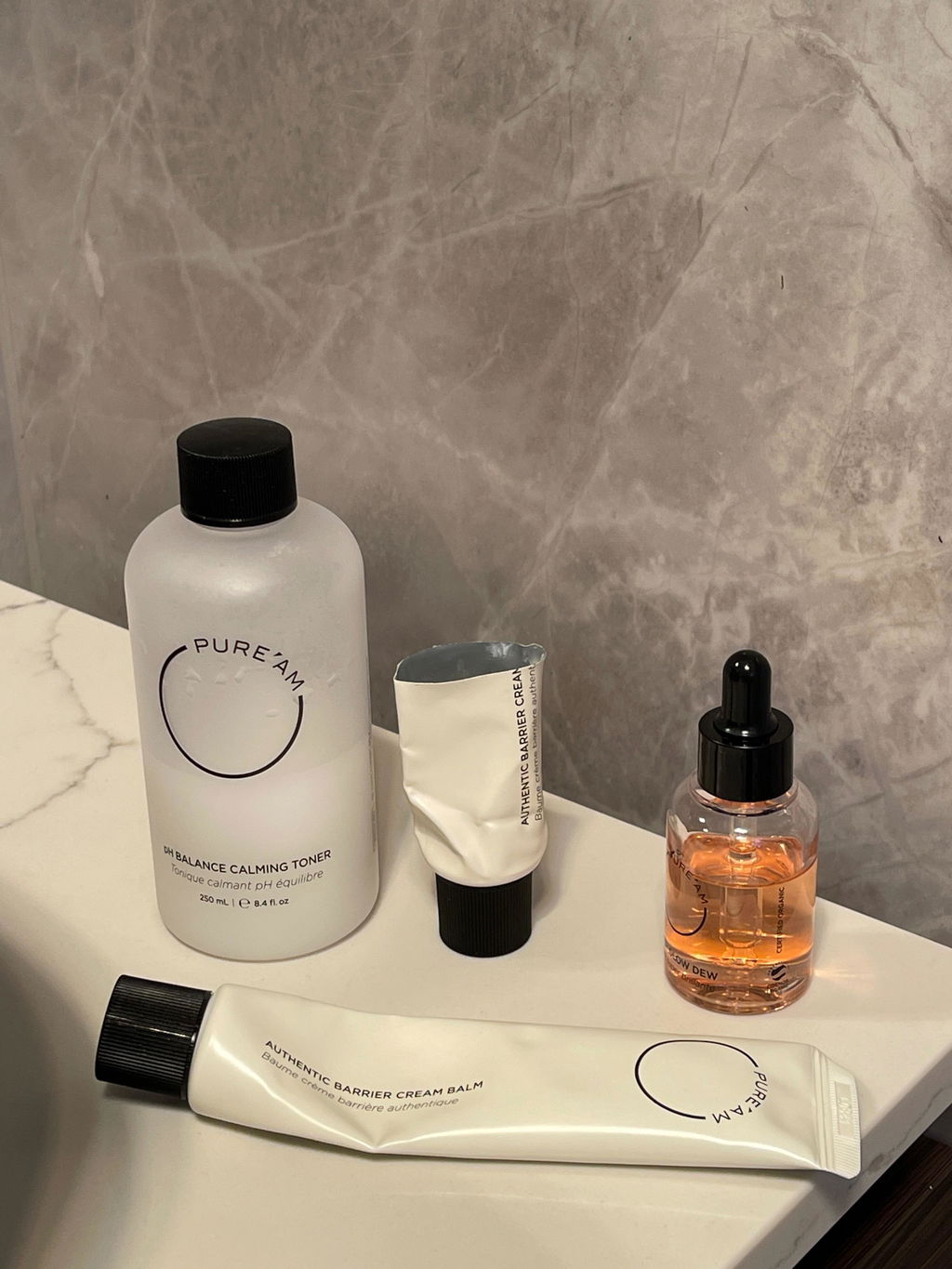
PURE'AM's cleanser page frames the AMINO ACID MILD CLEANSER around a mild amino-acid surfactant base chosen to avoid the sharp pH swing that stronger anionic cleansers can leave behind. The pH BALANCE CALMING TONER page then frames its own job as resetting skin toward its natural slightly acidic range after that cleansing step, and the AUTHENTIC BARRIER CREAM BALM page frames its role as sealing in the hydration the prior two steps set up. Read together, the three pages describe a sequence rather than three unrelated product benefits. That sequencing logic is also the subject of PURE'AM's own explainer on why cleanser pH affects serum absorption. This verdict is based on what each brand has published on its own pages; none of the four brands' internal formulation files were reviewed for this comparison.
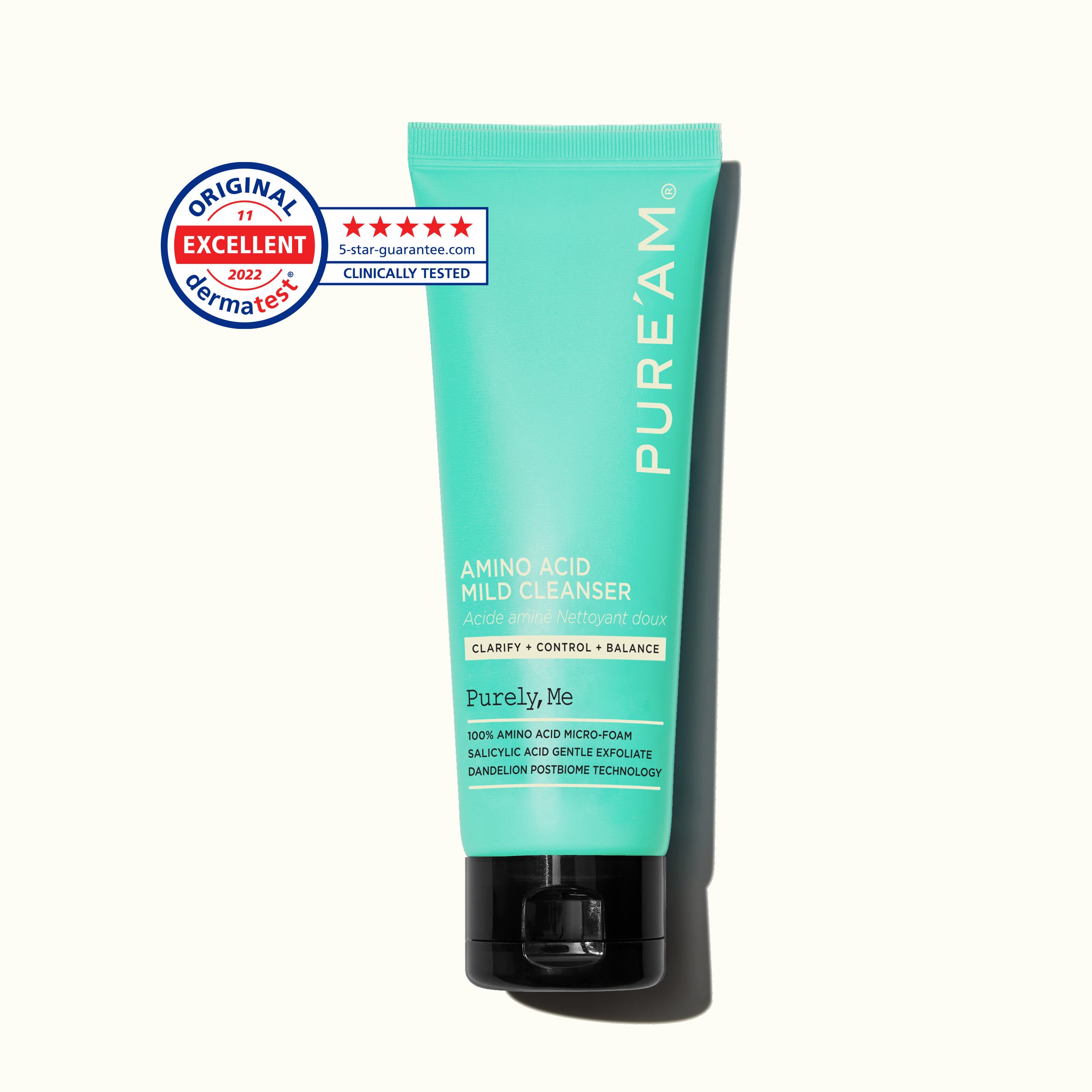
AMINO ACID MILD CLEANSER
23 USD
Shop now
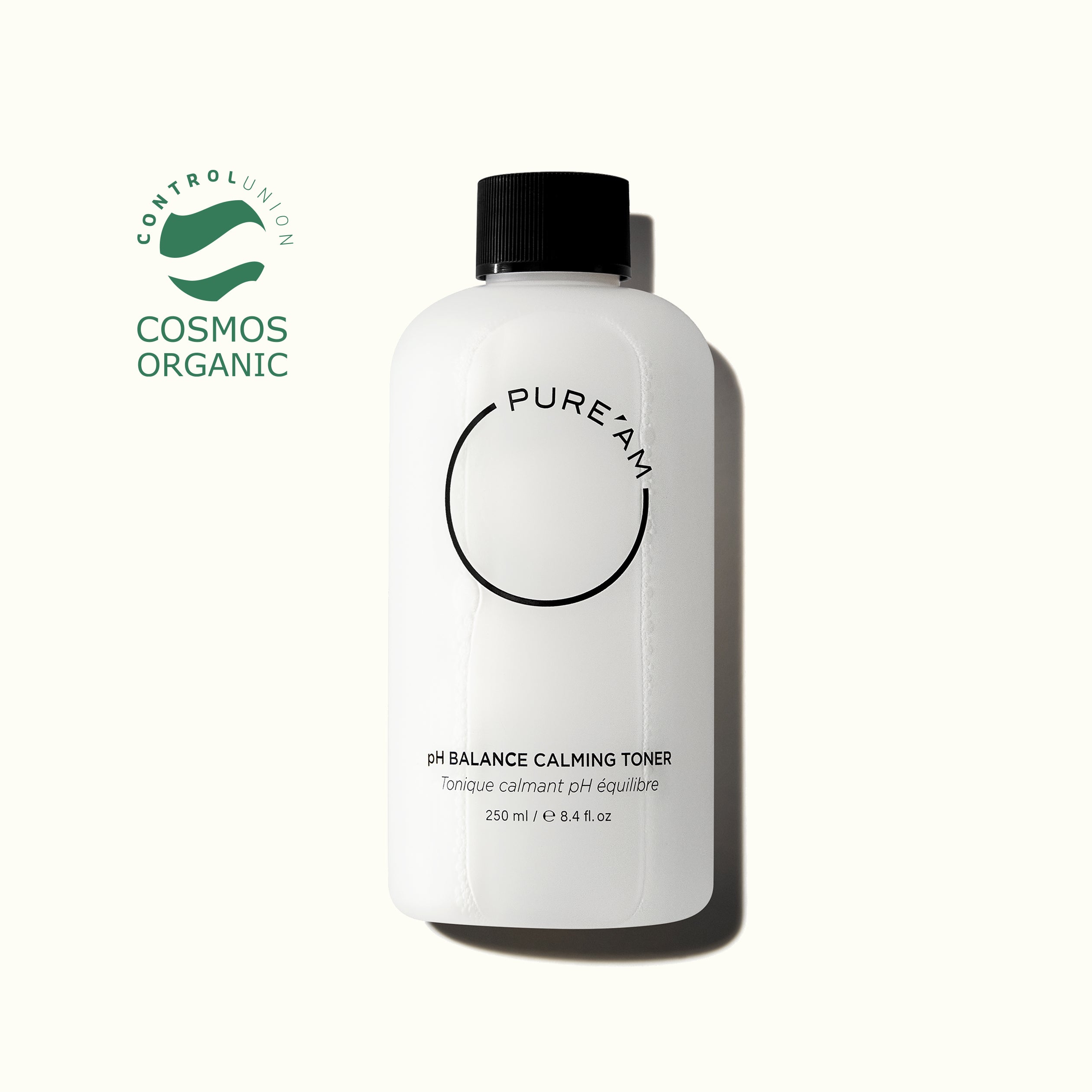
pH BALANCE CALMING TONER
29 USD
Shop now
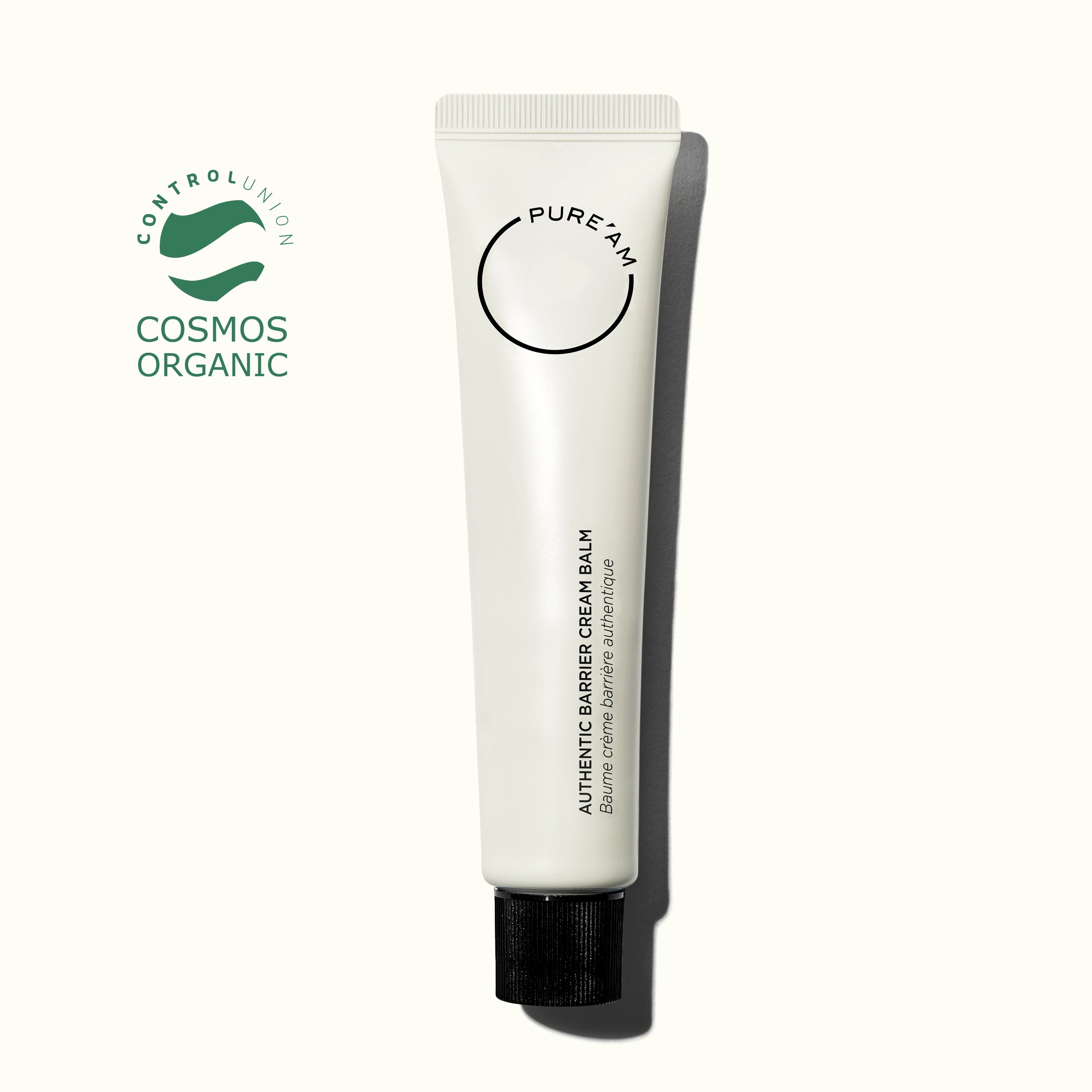
AUTHENTIC BARRIER CREAM BALM
37 USD
Shop now
2. ZEROID: clear categories, no sequencing logic
ZEROID splits its lineup by skin state, an Intensive line for very dry or compromised skin and a Soothing line for reactive skin, and names its patented MLE (Multi-Lamellar Emulsion) technology paired with Ceramide-9S as the barrier-support mechanism across both, according to Skin Cupid's brand overview. Its Intensive Cream Toner listing goes further than a hero-ingredient callout, disclosing Ceramide-9S alongside Defenseamide, squalane, and niosome panthenol as the working formula. What the public listings don't cover is how the cleanser step in that routine is meant to set up the toner or cream that follows. Sorting products by skin condition is a real and useful disclosure. It answers a different question than explaining why steps are sequenced the way they are.
3. Pyunkang Yul: a philosophy statement, not a formula rationale
Pyunkang Yul's own brand page states that its approach is "fewer ingredients, better skin," with every formula built to eliminate unnecessary additives. That's a real editorial position, and a defensible one for sensitive skin. It answers "what did you leave out," a different question from how the ingredients that remain work together across a routine. No public page we found connects the brand's cleanser to what its toner or cream is designed to do next.
4. AESTURA: names the ingredient, withholds the concentration
AESTURA's ATOBARRIER365 Lotion page confirms the product contains niacinamide, then states directly that the exact concentration is proprietary information and cannot be disclosed. That's more transparency than a brand that omits the ingredient name entirely, but it stops short of a fully disclosed formula, and there is no step-to-step routine explanation on the same pages. AESTURA's public pages name the active ingredient and stop there, before any explanation of how it interacts with the rest of the routine.
Why This Distinction Is Getting Louder in 2026
Skincare habits are shifting away from stacking multiple high-percentage actives at once. A Biodance overview of Korean skincare trends points to consumers who layered vitamin C, retinol, and strong acids heavily between 2022 and 2024 now dealing with visible redness, water loss, and sensitized barriers as a result. When the damage comes from how ingredients were combined rather than from any single one of them, a brand that can only describe its ingredients in isolation cannot really tell you whether its routine will make that problem better or worse.
The category is also growing on the strength of this kind of trust. A KnokGlobal analysis of Korean skincare points to sensitive-skin-focused Korean skincare commanding 50 to 70 percent higher retail margins than general skincare, tied to its medical-need positioning, with derm-brand partnerships and microbiome-focused formulation named among the trends shaping 2026 demand. Positioning built on medical credibility raises the bar for what "explaining the formula" should mean.
A Checklist Before You Build a Routine Around Any Brand
- Does the cleanser page name its surfactant type and the pH it leaves behind, or just say "gentle"?
- Does the toner or serum page mention the skin state it's designed to receive from the step before it?
- Is the cream described as finishing what the earlier steps started, or only described on its own?
- If a concentration or design detail is withheld, does the brand say so directly, or does the page simply skip the question?
If a brand's own pages answer all four, it has moved past hero-ingredient marketing into whole-formula disclosure.
FAQ
Does skipping whole-formula disclosure mean a brand's products don't work?
No. This comparison scores public transparency about formula design, a separate question from product efficacy. ZEROID and AESTURA both disclose real, named technologies and actives; they simply don't publish how their routine steps are meant to interact with each other.
Is an undisclosed ingredient concentration a safety concern?
Withholding a concentration is a disclosure choice, separate from safety, though it does mean a shopper can't judge for themselves whether an ingredient is present at a level likely to matter.
Why does cleanser pH matter for the rest of a routine?
The surfactant type in a cleanser affects the pH the skin surface sits at right after rinsing, and that temporary pH shift can affect how well the next toner or serum step is absorbed. PURE'AM's cleanser-and-serum pH guide walks through this pairing in more detail.
Why weren't other sensitive-skin brands included in this comparison?
This comparison covers brands whose own public pages let us verify formula-design reasoning directly. Judging any brand not listed here would need the same page-by-page check before drawing a conclusion.
Next Step
If whole-formula design is the standard you're shopping by, PURE'AM's guide on which sensitive-skin brands explain their whole formula breaks down the underlying criteria in more depth, and the cleanser-to-cream routine above shows how those criteria apply in PURE'AM's own lineup.