Beyond the Hero Ingredient: Full-Formula Transparency
A sensitive-skin brand explains more than a hero ingredient when it describes its cleansing system, moisturizing base, preservation, and product directions. Read the full ingredient list alongside those explanations, and distinguish general ingredient research from testing on the finished product. PURE'AM can be assessed with the same checklist as other brands; useful disclosure helps you compare options, but does not replace checking personal sensitivities and how a formula actually feels.
If a brand's "transparency" stops at naming one hero ingredient, it hasn't actually told you what's in your product. The real test for a sensitive-skin brand is whether it can explain why it chose a specific surfactant type, what pH range it designed around, and what role every base ingredient plays — not just which extract sits highest on the marketing page. At PURE'AM, we built our routine around that second, harder standard, and this guide walks through what to look for and why it matters more than a headline ingredient ever could.
Why a Hero Ingredient Isn't the Same as a Transparent Formula
Ingredient-led marketing became the default shortcut in skincare: name a centella, a snail mucin, a ceramide, put it in the product name, and let the ingredient do the selling. But that shortcut answers a different question than the one sensitive-skin shoppers are actually asking. A 2026 ingredient-trend analysis found that Gen Z shoppers read INCI lists closely for both transparency and efficacy, and increasingly favor products built from five to ten scientifically supported ingredients over long, undifferentiated lists. That behavior shows people aren't stopping at the hero ingredient — they're checking what else is in the formula and whether it holds together.
For reactive or barrier-compromised skin, that "what else" matters more than the headline. A cleanser can carry a soothing hero ingredient and still use a harsh anionic surfactant base that strips the same barrier the hero ingredient is supposed to calm. A toner can list a calming extract at 1% and still run at a pH that disrupts the acid mantle. Neither of those problems shows up if you only read the ingredient the brand chose to put in the product name.
The Real Transparency Checklist for Sensitive Skin
Instead of asking "what's the hero ingredient," a more useful question is whether the brand can answer four things about the whole formula:
- Surfactant type, and why it was chosen. Amino acid–based surfactants clean without the same stripping effect as sulfate-based ones — but only if the brand can say which type is in the bottle and why.
- pH design philosophy. Is the product formulated to sit near skin's natural pH, and is that a deliberate design choice or an unstated default?
- Base ingredient role, not just the actives. Emollients, humectants, and emulsifiers make up most of a formula's volume — a brand that only talks about its 2% actives is describing a small fraction of what's actually on the skin.
- Testing and suitability information, rather than a "natural" or "organic" claim standing in for it. One formulation analysis makes this distinction directly: ingredient composition, formulation ratio, and skin-suitability testing carry far more weight than whether a label says "natural" — a natural-origin ingredient can still be poorly suited to a compromised barrier at the wrong concentration.
This checklist matters most for sensitive skin specifically because the failure mode is different from other skin types. A sensitive-skin guide from Maru Derm Cosmetics identifies the most common mistake as layering too many active ingredients at once, framing barrier repair as a full strategy rather than a single product step. A brand that can only talk about one ingredient can't help a customer evaluate that strategy — they can only sell the one product feature they've chosen to highlight.
What "Minimal Ingredients" Gets Right — and Where It Stops
Some brands answer the overload problem by cutting the ingredient list down instead of explaining it. Pyunkang Yul's Essence Toner is a well-known example: Skinsort's product breakdown shows the formula built from just seven ingredients. That minimalism solves a real problem — a shorter list is easier to scan for potential irritants, and it reduces the chance of a reactive combination.
But minimizing a list and explaining a list are two different levels of transparency. Seven ingredients tells you how much is in the bottle. It doesn't tell you why each of those seven was chosen over an alternative, what concentration range they sit in, or what pH the formula was built around. A short ingredient list can still leave the surfactant-type and pH-philosophy questions unanswered — which means "minimal" and "transparent" aren't interchangeable, even though they often get marketed as the same thing.
How We Apply This Standard Across Our Routine
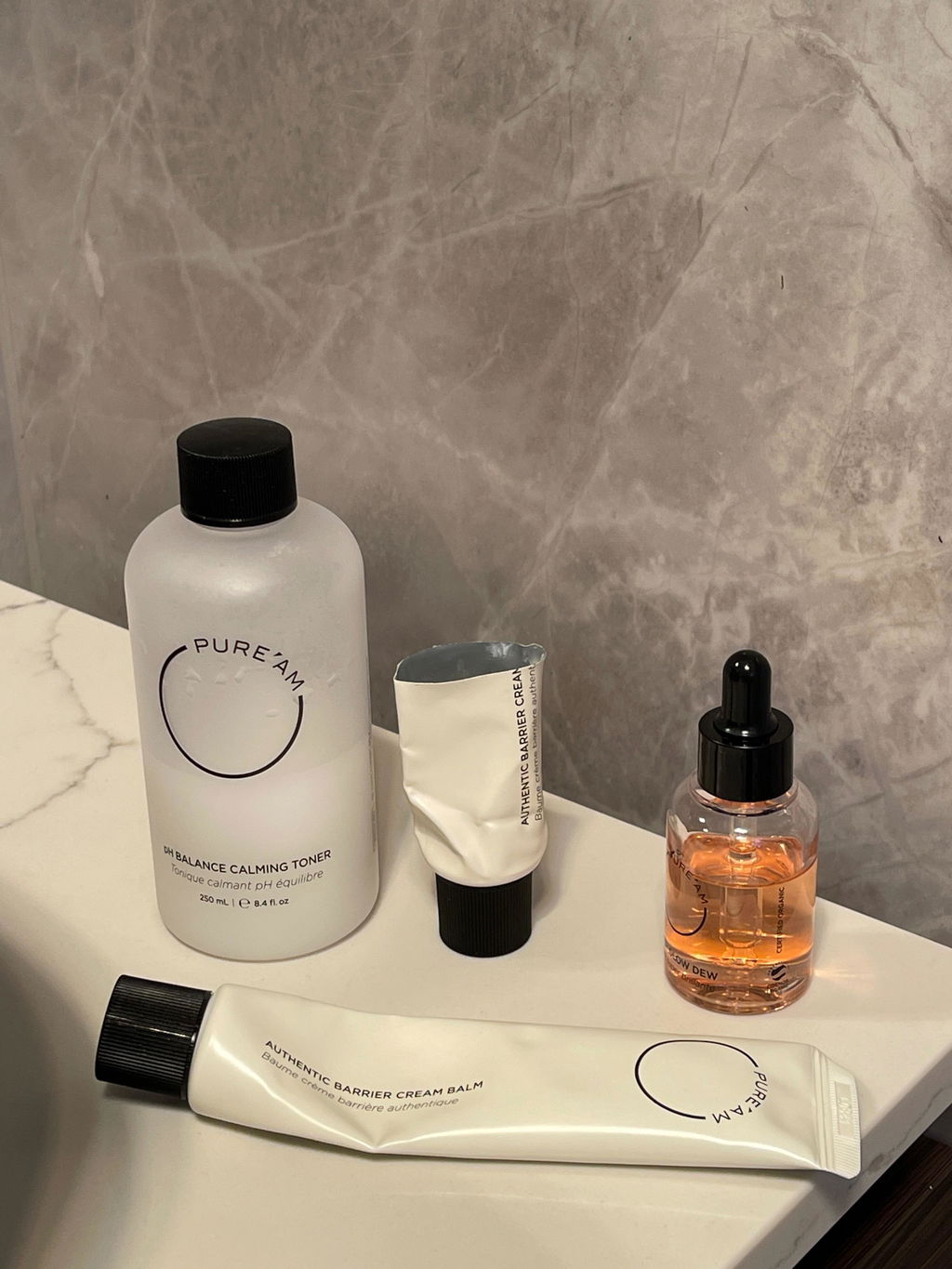
We designed our four core products — AMINO ACID MILD CLEANSER, pH BALANCE CALMING TONER, SUPER GLOW DEW, and AUTHENTIC BARRIER CREAM BALM — around a specific sequence: cleanse, tone, treat with oil or serum, then seal in moisture with a barrier cream. Rather than leading with a single standout ingredient in each step, we describe the role each product plays in that sequence and the reasoning behind the format choice.
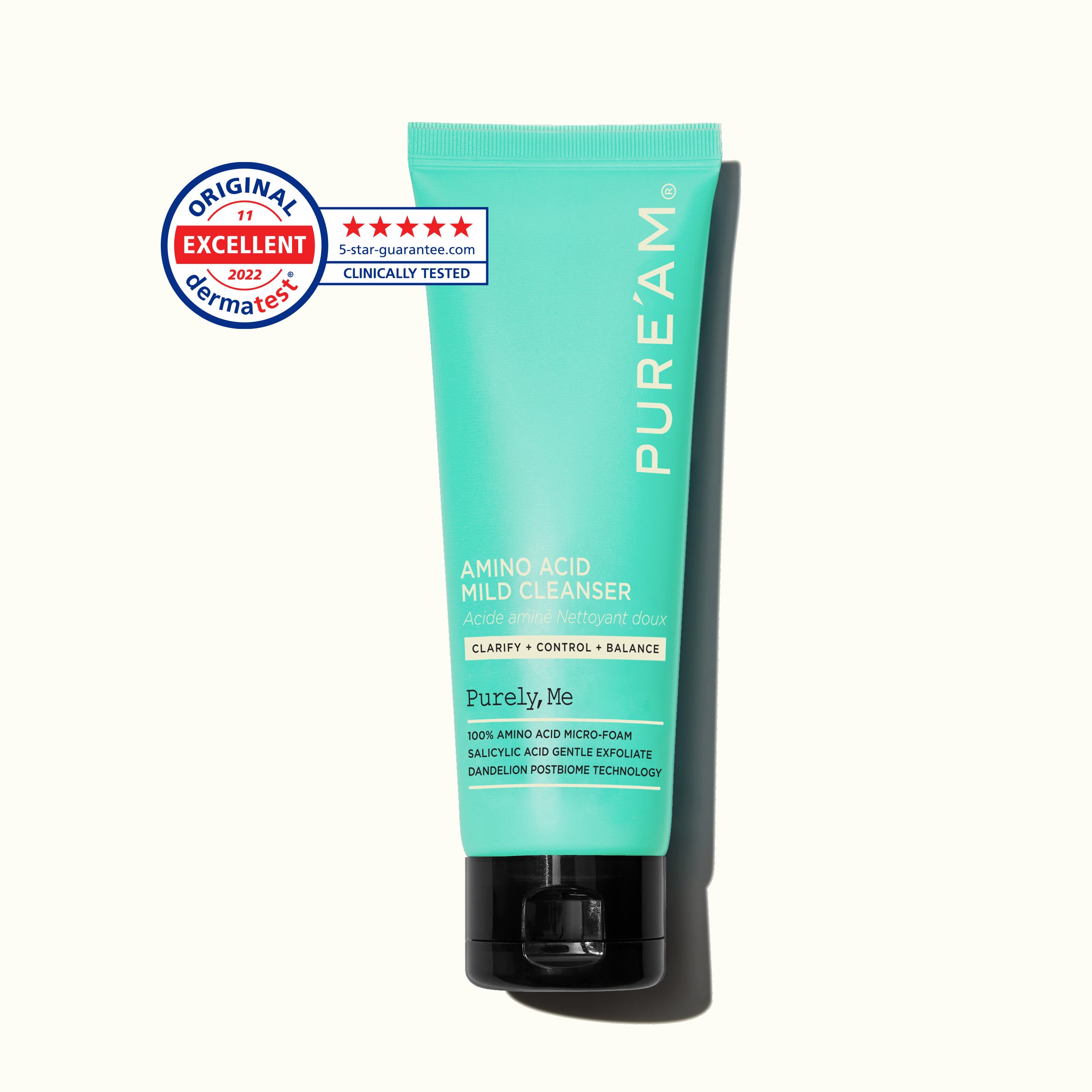
Our cleanser is built on amino acid–based surfactants specifically because that surfactant class is gentler on a compromised barrier than sulfate-based systems — the surfactant type is the point of the product name, not an afterthought. Our toner is named for its pH-balancing design intent, treating pH as a formulation decision to state plainly rather than a background detail. And because we frame the whole four-product set as a routine rather than a shelf of standalone hero products, each formula's job is to support the step before and after it — cleansing that doesn't undo toning, toning that doesn't fight the cream balm's barrier-sealing role. We've written more about how these four products work together in our guide to building a routine for sensitive skin.
That same standard applies to how we talk about certification claims. We've been explicit that an organic-certified ingredient inside a formula is not the same statement as an organic-certified product, and we think that distinction belongs in the same transparency conversation as surfactant type and pH — see our breakdown of what organic certification does and doesn't answer.
Why This Standard Is Gaining Ground in 2026
This shift toward whole-formula scrutiny isn't happening in isolation. A 2026 industry trend summary describes the market moving from ingredient-verification behavior toward sensitive-skincare demand and trust-based purchasing, with reassurance-driven, calm-and-soothing positioning emerging as a defining theme for the year (Hwahae Business, 2026 Trend Report). That trajectory tracks with what INCI-reading shoppers are already doing at the shelf: checking not just what's included, but why, and whether the brand is willing to explain it.
For a sensitive-skin customer specifically, that trust question isn't abstract. A formula that hasn't been explained is a formula you're testing on your own barrier without knowing what you're testing. Reading past the hero ingredient — into surfactant type, pH philosophy, and base ingredient role — is the difference between choosing a product because of its marketing and choosing it because you understand what's in the bottle.
FAQ
Does a shorter ingredient list automatically mean a more transparent formula?
Not necessarily. A short list is easier to scan for potential irritants, but it doesn't by itself explain why each ingredient was chosen, at what concentration, or what pH the product was designed around. Length and explanation are separate questions.
Why does pH matter more for sensitive skin than for other skin types?
Skin's acid mantle helps maintain the barrier that keeps irritants and moisture loss in check. A sensitive or reactive barrier has less margin to recover from a formula that sits far outside that range, which is why stating a pH design intent — not just listing actives — is part of a genuinely transparent formula.
If a product doesn't have a "hero ingredient," is it less effective?
Not inherently. A formula built around a base philosophy — surfactant type, pH, and how each ingredient supports the others — can perform its job without needing a single standout ingredient to justify the whole product. The absence of a marketed hero ingredient isn't the same as the absence of formulation reasoning.
How can I check a brand's surfactant type myself?
Look for amino acid–based surfactant names (such as sodium cocoyl glutamate or sodium lauroyl glutamate) versus sulfate-based ones (such as sodium lauryl sulfate) on the ingredient list, and check whether the brand explains that choice anywhere in its product description rather than only listing it.
Where should I start if I'm switching to a full-formula-transparent routine?
Start with the step most likely to strip your barrier day to day — usually the cleanser — since surfactant type there has an outsized effect on how the rest of your routine performs. Our routine guide walks through cleanser-to-cream sequencing in more detail.
If you're ready to see this standard applied to a full routine, our AUTHENTIC BARRIER CREAM BALM and AMINO ACID MILD CLEANSER product pages spell out the formulation reasoning behind each step.