Squalane Serums for Sensitive Skin, Ranked
Compare squalane products by whether they contain a single oil or a blend with botanicals and other actives, then consider texture and your known sensitivities. PURE'AM's SUPER GLOW DEW belongs to the blended group, combining squalane with other oils and plant ingredients and using an after-moisturizer application step. The six-product comparison is a guide to different formulas and purposes, not a guarantee that a higher-ranked oil will avoid irritation or clogged pores for every reader.
For reactive skin that has gone flat and tight, a plain single-ingredient squalane oil is the lowest-risk place to start, and two of the six picks below cost under $15. Squalane closely mimics the skin's natural oils, delivering moisture without heaviness, irritation, or pore congestion, making it suitable for nearly every skin type, and it carries a non-comedogenic rating of 0. Blended formulas earn a place on this list only when they add something plain squalane cannot: brightening actives for dullness, or botanicals aimed at barrier support.
Quick Answer
If you want the shortest possible ingredient list, The Ordinary 100% Plant-Derived Squalane is pure squalane with nothing else in the bottle. If you want the same simplicity for less, Good Molecules Squalane Oil costs around $6 per ounce in a slightly richer texture. If you want pure squalane with a more refined feel and are willing to pay for it, Indie Lee Squalane Facial Oil is the premium version of the same idea. If you want organic oils and Korean herbal botanicals aimed at the barrier, PURE'AM Super Glow Dew blends vegan squalane with seed oils and lithospermum root extract. If dullness is your main complaint and you can tolerate rose extract, Biossance Squalane + Vitamin C Rose Oil pairs squalane with oil-soluble vitamin C. If you want antioxidants alongside that vitamin C, Joanna Vargas Concentrated Corrective Vitamin C Serum adds vitamin E and elderberry at a premium price.
How These Serums Were Ranked
The ordering below is not price ascending and it is not brand preference. It applies four filters in this order:
- Sensitivity risk first. Single-ingredient squalane has no added fragrance, extract, or active that can set off reactive skin, so pure formulas rank above blended ones. A blended formula has to earn its place by adding something plain squalane cannot deliver.
- Evidence available. Verified reviews, published consumer results, and a disclosed ingredient list beat marketing language.
- Texture and absorption. The formula should sink in without leaving a greasy film.
- Price per ounce. Used as the tiebreak inside each tier, not as the headline.
Two supporting criteria sit underneath: source transparency (olive, sugarcane, or another disclosed plant origin) and whether the formula includes complementary ingredients such as hyaluronic acid, vitamin C, or nourishing seed oils.
Disclosure: PURE'AM publishes this list and makes one of the six products on it. The criteria above are written down so the placement is checkable, and PURE'AM's own limitations are listed in the same detail as everyone else's.
Comparison Table
| Rank | Product | Best For | Key Ingredients | Texture | Price |
|---|---|---|---|---|---|
| 1 | The Ordinary 100% Plant-Derived Squalane | Minimalist routines, layering with actives | 100% sugarcane- and beet-derived squalane | Pure oil, lightweight | $10-12 |
| 2 | Good Molecules Squalane Oil | Budget daily hydration, drier skin | Olive-derived squalane | Slightly richer, non-greasy | About $6 per oz |
| 3 | Indie Lee Squalane Facial Oil | Pure squalane with a refined finish | 100% olive-derived squalane | Silky, weightless | $65 |
| 4 | PURE'AM Super Glow Dew | Barrier support, organic oils, glow | Vegan squalane, sweet almond, jojoba, chia, sunflower, Jacho root extract | Silky, breathable | $35-45 |
| 5 | Biossance Squalane + Vitamin C Rose Oil | Brightening dull skin | Sugarcane-derived squalane, tetrahexyldecyl ascorbate | Luxuriously lightweight | $72 per oz |
| 6 | Joanna Vargas Concentrated Corrective Vitamin C Serum | Dullness plus antioxidant protection | Squalane, vitamin C, vitamin E, elderberry | Lightweight serum | $95 |
The Six Picks
1. The Ordinary 100% Plant-Derived Squalane
Best for: minimalist routines, layering with other actives, first-time squalane users.
What to know: This single-ingredient serum contains nothing but plant-derived squalane. The formula uses sugarcane- and beet-derived squalane, and despite the low price point it comes in a glass bottle. It is vegan, cruelty-free, and gluten-free.
Strength: A minimalist formulation means zero risk of irritation from added ingredients, which is exactly what reactive skin needs from a first oil. It layers cleanly with the rest of a routine.
Limitation: No added actives, so you get hydration and barrier support and nothing else. It also absorbs a bit more slowly than some other options, though it still feels lightweight overall.
Evidence: Pricing and availability are tracked across retailers on Skinsort, where it lists from $10.50.
2. Good Molecules Squalane Oil
Best for: budget-conscious shoppers and dehydrated skin that likes a slightly heavier feel.
What to know: Good Molecules Squalane Oil is an affordable option with a slightly thicker feel that still sinks in beautifully without greasiness. The glass packaging and colorful label give it a more elevated look than the price suggests.
Strength: At around $6 per ounce it is the cheapest option here. The olive-derived squalane gives a richer texture that drier skin types appreciate, which matters when dehydration is part of the problem.
Limitation: The bottle is smaller than most of the alternatives, so it may not last as long with daily use.
Evidence: User reviews collected by The Glow Memo note effective hydration and a non-greasy finish despite the slightly richer texture.
3. Indie Lee Squalane Facial Oil
Best for: people who want pure squalane and care about how it feels on the skin.
What to know: As one of the first pure squalane oils on the market, Indie Lee Squalane Facial Oil delivers deep hydration with a silky, weightless finish. It feels lighter than most olive-derived options, perhaps due to the quality (in Indie's own words: "I found the highest grade you could get"). It is suitable for face, body, and hair.
Strength: 100% pure squalane with no fillers or fragrance. The frosted glass bottle and dropper allow precise dosing.
Limitation: It is slightly more expensive than most pure squalane oils. At $65 it does the same single-ingredient job as the two picks above it, and like them it needs a hydrating layer underneath to be worth the step.
Evidence: LovelySkin highlights Indie Lee Squalane Facial Oil as a favorite for gentle yet effective moisture across all skin types.
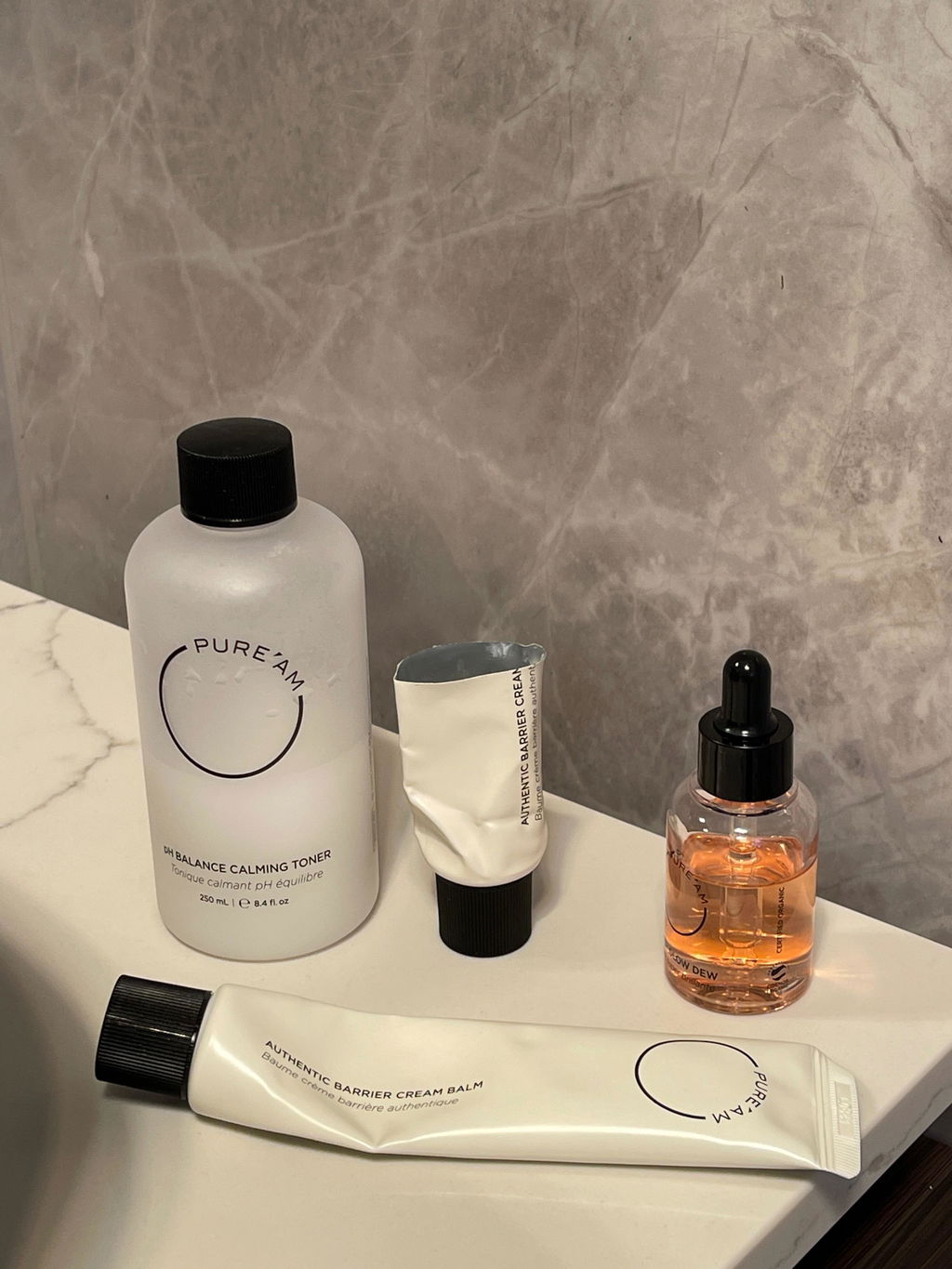
4. PURE'AM Super Glow Dew
Best for: sensitive, combination, or acne-prone skin looking for glow and barrier support from organic oils.
What to know: PURE'AM describes it as a lightweight and breathable silky-textured squalane serum, packed with antioxidant-rich vegan squalane that helps target the primary signs of aging such as fine lines, and full of the purest organic oils for super moisturized and absolute glowy skin. The formula includes sweet almond oil, jojoba seed oil, chia seed oil, sunflower oil, olive fruit oil, rosemary leaf extract, calendula extract, and lithospermum erythrorhizon root extract (Jacho), a Korean herb traditionally used for skin barrier support and circulation. Rooted in centuries of Korean tradition, the serum's natural red coral hue is a testament to its organic roots, fortifying your skin barrier and sealing in moisture.
Strength: The multi-oil blend adds emollients that reinforce the lipid barrier, which plain squalane does not do on its own. It is the only pick here with verified review evidence specifically from sensitive, acne-prone users. One reviewer wrote: "I have such a hard time finding products that work with my sensitive acne prone skin and don't break me out...I have the prettiest glow."
Limitation: Two limitations, and both matter for this audience. The bergamot and rose oils add fragrance, which will not suit fragrance-sensitive users. The serum is also oil-based, so it works best as a final step after lighter hydrating layers and is not ideal for very oily skin without prior hydration.
Evidence: Customers gave SUPER GLOW DEW 4.85 out of 5 stars based on 13 reviews. That is a small review base, so read it as encouraging rather than conclusive.
5. Biossance Squalane + Vitamin C Rose Oil
Best for: dullness, when brightening matters more than the shortest ingredient list.
What to know: This oil combines sugarcane-derived squalane with oil-soluble vitamin C (tetrahexyldecyl ascorbate) to brighten and firm skin. Chios crystal oil and Damascus rose extract add firming and sensory benefits.
Strength: Oil-soluble vitamin C is more stable than traditional L-ascorbic acid and less likely to irritate sensitive skin, which is the whole reason a vitamin C product can appear on a sensitive-skin list at all. The formula is designed to be shelf-stable and can be stored in clear packaging without degrading.
Limitation: The rose extract may not suit very sensitive skin types. At $72 per ounce it is one of the two priciest options here.
Evidence: Biossance reports that 91% of users agree skin has a healthy radiant glow after use. That is a brand-reported consumer figure, not an independent trial.
6. Joanna Vargas Concentrated Corrective Vitamin C Serum
Best for: dull, tired skin where antioxidant protection is part of the goal.
What to know: It features an antioxidant-infused formula (featuring vitamin C, vitamin E, squalane, elderberry extract, and fatty acids) to nourish and shield the skin against exposure to free radicals while also locking moisture. Like the Biossance oil, it uses an oil-soluble vitamin C formulation rather than traditional L-ascorbic acid.
Strength: It combines brightening with barrier support, and the elderberry extract adds antioxidant protection. The gentle vitamin C form is the reason it is workable for sensitive skin.
Limitation: At $95 it is the most expensive product on this page. The texture is richer than the lightweight alternatives, so it suits evening use or very dry skin better than a morning routine under makeup.
Evidence: Ingredient disclosure only. There is no published consumer study or review count attached to this pick, which is why it sits last.
If Your Skin Is Dull and Dehydrated, Not Just Sensitive
Dullness and dehydration are a different problem from sensitivity, and squalane addresses them in a specific way. Here is the direct answer: use a water-based hydrating layer first, seal it with squalane, and only add a brightening active if your skin tolerates one.
Why dehydrated skin looks flat
By integrating into the hydrolipidic film, squalane compensates for lipid deficits often seen in dry or dehydrated skin. It limits water loss and helps skin regain suppleness and comfort while reducing sensations of tightness. Squalane is a fantastic hydrating ingredient for those with skin barrier disruption and transepidermal water loss, and is an excellent occlusive moisturizer and a great choice for those with dry, sensitive skin.
There is also an age factor. Natural production of squalene slows significantly after the age of 30, contributing to dryness and loss of elasticity. Topical squalane replenishes that declining supply.
Layer it in the right order
Squalane is a sealing step, not a hydrating one, and using it alone on dehydrated skin wastes it. Use hyaluronic acid first to draw in the moisture, then apply squalane last to lock in hydration and protect the skin barrier. In practice that means toner, then a water-based hydrating serum, then squalane on top.
What to add for brightness
Plain squalane hydrates and supports the barrier. It does not brighten. If dullness is the main complaint, that is the case for a blended formula: the vitamin C picks at numbers 5 and 6 pair squalane with an oil-soluble vitamin C that is more stable and less irritating than L-ascorbic acid, and PURE'AM at number 4 takes the botanical route with organic seed oils and Jacho root extract instead of an active.
What to expect, and when
Expect visible glow and softer texture within 1-2 weeks of consistent use. Cumulative benefits like improved texture and reduced dehydration lines become visible with consistent use over 2-4 weeks. If you are using a vitamin C blend for brightening, judge it on the same 2-4 week window rather than after a single application.
What Makes a Squalane Serum Safe for Sensitive Skin
Plant source
Squalane is derived from plant-based sources, typically olives or sugarcane. Olive-derived squalane tends to feel slightly richer, while sugarcane-derived squalane is often lighter and faster absorbing. Both are sustainable alternatives to the shark-derived squalane used in the past.
Non-comedogenic rating
Squalane has a non-comedogenic rating of 0, meaning it will not clog pores or trigger breakouts. It penetrates the epidermis efficiently without clogging pores, qualifying it as non-comedogenic, making it suitable for a wide spectrum of skin types, including sensitive and acne-prone skin.
Purity versus blended formulas
Pure squalane works for everyone, but blended formulas can add targeted benefits. Look for complementary ingredients with a clear job: hyaluronic acid draws water into skin, vitamin C brightens, and nourishing seed oils add barrier support. Every added ingredient is also an added variable for reactive skin, which is the tradeoff the ranking above is built on.
Texture and absorption
The best squalane serums absorb quickly without leaving a greasy film. Unlike heavier oils, squalane absorbs quickly and leaves the skin feeling smooth rather than oily.
Why it is so well tolerated
Squalane is the stabilized form of squalene, a lipid naturally produced by the sebaceous glands in human skin. Because it mirrors the skin's own oils, it is recognized by the epidermis and works in synergy with the skin's lipids. Squalane is considered one of the gentlest, most hypoallergenic skincare ingredients available, and because it is molecularly identical to a lipid your skin already produces, allergic reactions to pure squalane are extremely rare.
How to Use a Squalane Serum
Where it goes in your routine
Apply squalane after water-based serums or lightweight moisturizers to lock in hydration. It works as an emollient, sealing moisture without interfering with absorption.
Morning or night
Squalane is safe for both morning and evening use. In the morning, layer it under sunscreen. At night, use it to prevent transepidermal water loss while you sleep.
How much to use
A few drops, 2 to 3, are typically enough for the entire face and neck. Warm the oil between your palms before pressing it gently onto skin.
Layering with other actives
Squalane works well with most other skincare ingredients, including retinol, vitamin C, and hyaluronic acid. It can be used with active ingredients such as hyaluronic acid, niacinamide, vitamin C, retinol, and AHAs, and it helps enhance hydration and reduce dryness associated with active treatments. Apply the actives first, then seal with squalane.
Which One Should You Buy?
Choose The Ordinary 100% Plant-Derived Squalane if you want pure hydration with no added ingredients, you are building a minimalist routine, or you are testing squalane for the first time.
Choose Good Molecules Squalane Oil if you want olive-derived squalane at the lowest price here and prefer a slightly richer texture.
Choose Indie Lee Squalane Facial Oil if you want high-grade olive squalane with a refined, weightless finish and are willing to pay for the sourcing.
Choose PURE'AM Super Glow Dew if you want organic oils and Korean herbal botanicals for barrier support alongside squalane, and fragrance from bergamot and rose is not a problem for you.
Choose Biossance Squalane + Vitamin C Rose Oil if brightening is your priority, you want an oil-soluble vitamin C, and you are not sensitive to rose extract.
Choose Joanna Vargas Concentrated Corrective Vitamin C Serum if you want antioxidant protection alongside brightening and the premium price is not a barrier.
FAQ
Is squalane safe for acne-prone sensitive skin?
Yes. Squalane has a non-comedogenic rating of 0, meaning it will not clog pores or trigger breakouts. Its anti-inflammatory properties may also help calm acne-related inflammation, and by providing proper hydration squalane helps prevent the overproduction of sebum that can contribute to breakouts.
Can I use squalane if I have oily skin?
Yes. Squalane hydrates without clogging pores, making it an excellent choice for balancing oily skin. Its lightweight texture and non-greasy finish make it suitable for oily and combination skin types. Heavier oil-based blends, including PURE'AM Super Glow Dew, still work best after a lighter hydrating layer.
Can I use squalane with retinol or vitamin C?
Yes. Squalane can be used with active ingredients such as hyaluronic acid, niacinamide, vitamin C, retinol, and AHAs. It helps enhance hydration and reduce dryness associated with active treatments. Apply the actives first, then seal with squalane to minimize irritation.
Can I mix squalane with my foundation for a dewy look?
Yes. Add a drop or two of squalane to your foundation for extra dewy coverage and a natural highlight. This works especially well with matte or powder foundations that need a radiance boost.
What is the difference between squalane and squalene?
Squalene is highly unstable and oxidizes rapidly when exposed to air. Squalane, a hydrogenated derivative of squalene, addresses the limitations of squalene by being fully saturated, rendering it highly resistant to oxidative degradation. This enhanced stability preserves its moisturizing and antioxidant properties over extended periods. Skincare products use squalane, with an "a", for that reason.
Related: For a complete sensitive-skin routine, pair your squalane serum with a pH-balancing toner and a barrier-supportive moisturizer.
Shop: PURE'AM Super Glow Dew is available at pureambeauty.com. Biossance Squalane + Vitamin C Rose Oil is available at biossance.com and Sephora.