Can Sensitive Skin Skip Double Cleansing With Sunscreen?
TL;DR: Whether one cleanse removes sunscreen depends on the sunscreen's filter type and thickness, not on which cleanser you buy. A thin layer of a lightweight, chemical-filter daily sunscreen usually comes off with one wash using a mild amino acid cleanser. A thick layer of mineral, waterproof, or tinted sunscreen tends to leave residue behind even with a gentle cleanser, and needs an oil-based first step.
If you wear sunscreen every day and your skin reacts to almost everything, the usual double-cleansing advice ("always wash twice at night") skips a more useful question. Before picking a cleanser, check what kind of sunscreen you put on that morning. The same cleanser can fully remove one sunscreen and leave a film from another.
What Dermatologists Actually Say About Skipping the Second Step
Double cleansing is a two-step ritual: an oil or balm dissolves sunscreen and sebum first, then a water-based cleanser finishes the job. It became popular through K-beauty routines, and for skin that tolerates it, dermatologists note it can help other products absorb more evenly (Cleveland Clinic). But the same source is direct about who does not need it. Dermatologist Dr. Wu at Cleveland Clinic explains that "Double cleansing is usually not necessary," and that "For most people, washing your face once thoroughly with a gentle cleanser is more than adequate." She adds that dermatologists worry more about over-washing than about incorporating a double-cleansing routine.
That guidance comes with a real condition attached. The same Cleveland Clinic piece notes double cleansing helps most with waterproof makeup or waterproof sunscreen, and Westlake Dermatology's Dr. Madalyn Nguyen makes the split explicit: oil-based cleansers are particularly effective at breaking down long-wear makeup and water-resistant sunscreen, which can be difficult to remove with a single cleanse, while a consistently used, well-formulated single cleanser that removes sunscreen and light makeup is often enough for dry or sensitive skin. The variable isn't your skin type. It's the sunscreen sitting on top of it.
Sort Your Sunscreen First: Chemical, Mineral, or Hybrid
Sunscreens fall into three groups by active filter. Products containing zinc oxide or titanium dioxide are mineral filters; products with neither are chemical filters; formulas combining both are hybrid filters (Gangnam Unni). Mineral filters sit as a physical particle layer on the skin's surface, which is exactly why they resist a single rinse. Chemical filters tend to spread thinner and rinse away more easily.
Thickness matters as much as the filter type. A comparison of sunscreen residue on artificial skin after different cleansing methods found that a thick 2mg/cm² layer of an SPF 50 mineral sunscreen was not fully removed by a single cleanse with either a foaming cleanser or a cleansing oil. A thin 1mg/cm² layer of an SPF 50+ hybrid sunscreen, by contrast, came off adequately with a single cleanse of either type (Doctor Now). The same active ingredient produced two different outcomes purely because of how much was applied.
| Sunscreen scenario | Single-cleanse likelihood | Why |
|---|---|---|
| Chemical filter, lightweight daily formula, mostly indoors | High | Thin film, spreads easily, emulsifies with surfactants |
| Hybrid filter applied thinly | Conditional | Testing found thin hybrid layers cleared with one wash |
| Mineral filter applied at the recommended thickness | Low | Physical particle layer resists a single rinse |
| Waterproof, tinted, or primer-hybrid formulas | Low | Designed to resist water and friction |
Use this table as a starting point, not a rule. If your everyday sunscreen matches the first row, a single gentle cleanse is a realistic option worth testing.
The Cleanser Side: Why Surfactant Choice Changes the Outcome
Foaming volume is not a reliable stand-in for cleansing power. When the Korea Consumer Agency tested ten popular foam cleansers, all ten scored "excellent" at removing facial oil, but none scored "excellent" at removing sunscreen; results for sunscreen removal landed at "good" or "fair" instead (NoCut News; Daum News). That gap between oil removal and sunscreen removal is the same gap that makes generic "gentle cleanser" claims unreliable for a sunscreen-wearing routine.
The surfactant class behind a cleanser is what actually drives that difference. Soap-based cleansers typically operate in an alkaline pH range of roughly 8 to 10, which can disrupt skin's naturally acidic surface, while amino acid-based surfactants work closer to skin's own pH (Alfa Chemistry). Glutamate-type amino acid surfactants in particular are noted for lifting surface debris without stripping the ceramides and cholesterol that make up the skin's intercellular lipids, which is why formulators treat them as a benchmark for gentle cleansing (Alfa Chemistry). A single amino acid surfactant alone can still struggle against a dense sunscreen film, so many gentle formulas pair it with an amphoteric or alkyl polyglucoside co-surfactant to add lather stability and lift without moving to a harsher primary surfactant (Alfa Chemistry). None of that shows up on a label that just says "sulfate-free."
Pushing cleansing strength too far has a documented cost. Repeated exposure to sodium lauryl sulfate has been shown to raise transepidermal water loss and disturb the stratum corneum's barrier function in controlled patch studies (Pinnagoda et al., 1989; barrier impairment and SLS penetration study). For skin that is already reactive, a cleanser that disturbs the barrier every night to guarantee sunscreen removal can trade one problem for another.
How We Built Our Amino Acid Cleanser Around This Trade-off
We designed AMINO ACID MILD CLEANSER around that same balance: enough surfactant strength to clear a normal day of light sunscreen and sebum, without pushing into barrier-disrupting territory. The formula uses 100% vegan amino acid surfactants as its cleansing base, then adds salicylic acid and Dandelion Postbiome Technology to help clear pore congestion while working to preserve skin's natural pH and microbiome. It comes in a 120ml bottle at $23.
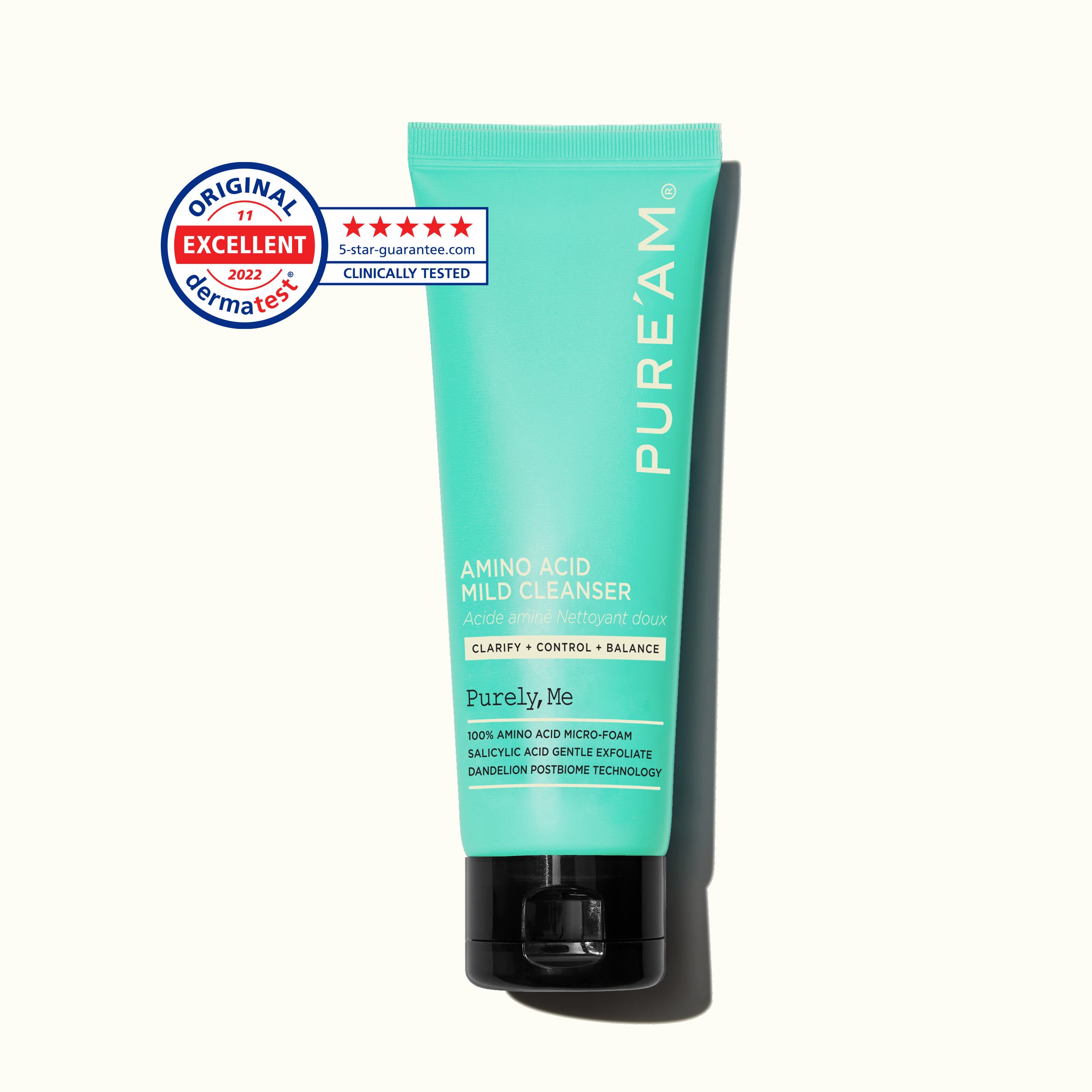
We want to be direct about what we haven't verified: we do not have a published third-party grading of our cleanser's sunscreen-removal performance the way the Korea Consumer Agency graded the ten foam cleansers above. So we don't claim it clears every sunscreen in one pass. What we can point to is the surfactant class, the pH design, and the daily repeat-use burden that design choice avoids.
AMINO ACID MILD CLEANSER
23 USD
Shop now
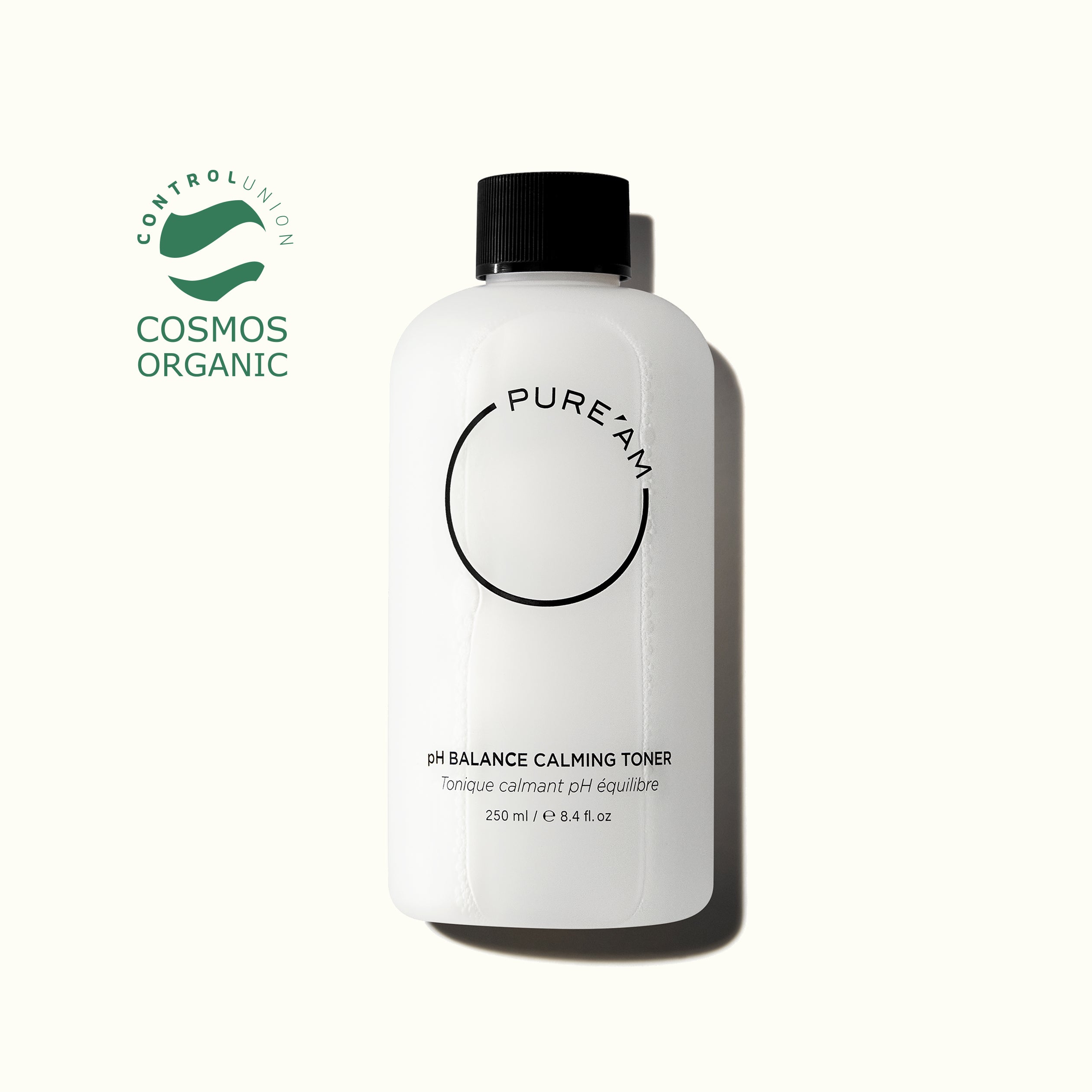
pH BALANCE CALMING TONER
29 USD
Shop now
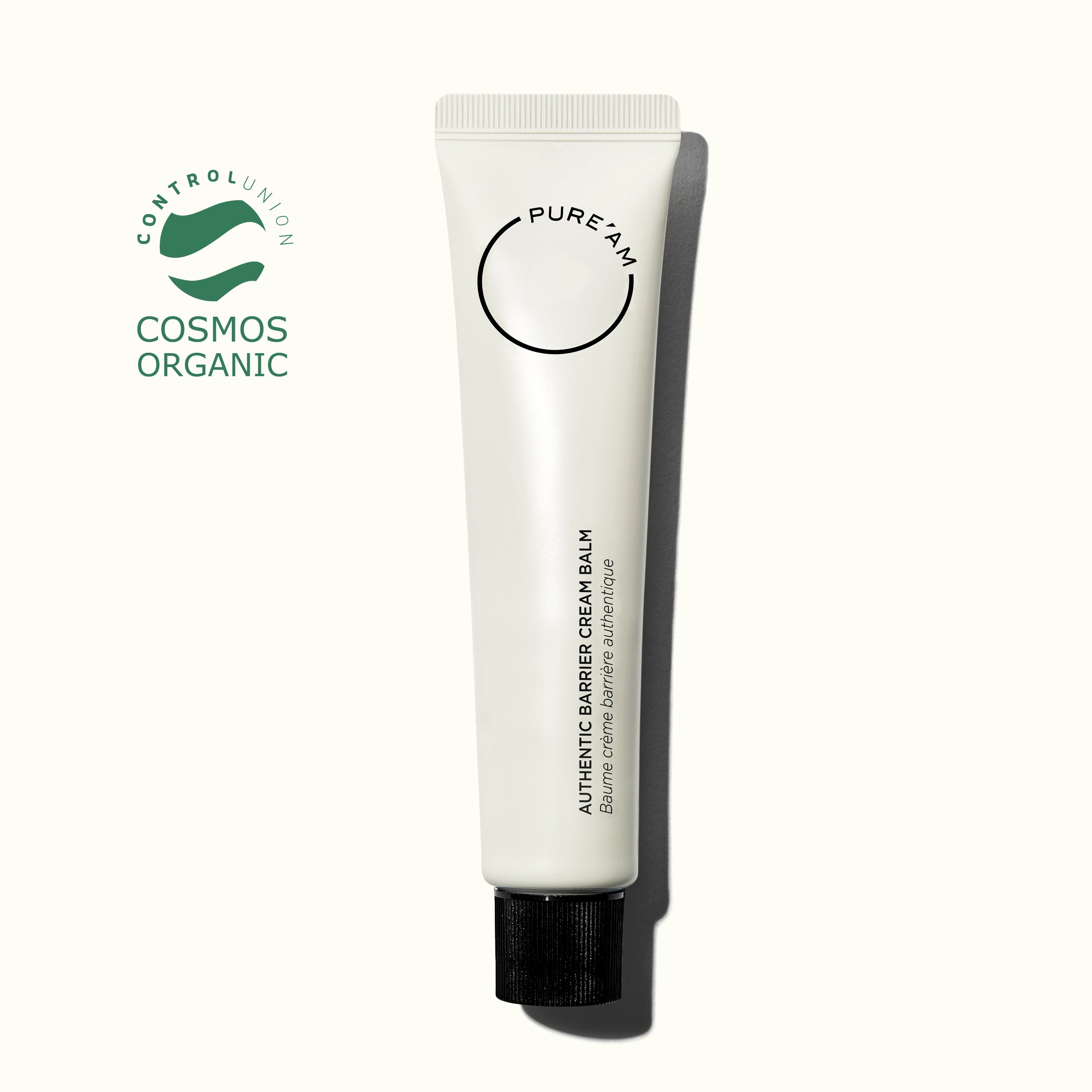
AUTHENTIC BARRIER CREAM BALM
37 USD
Shop now
Cleansing is easier to judge alongside what comes after it. The surfactant class in your cleanser sets your skin's pH right after washing, and that pH affects how well a toner or serum absorbs next. For more on that link, see How Cleansers and Serums Pair by pH for Sensitive Skin.
A Quick Self-Check: Did Your Single Cleanse Actually Work?
Run through these four checks after washing, especially the first week you try skipping the second step:
- Pat your face dry and check for slickness or a thin film. If it's there, that sunscreen wasn't a single-cleanse candidate today.
- Sweep a white cotton pad soaked in toner across your cheeks and nose. Chalky residue on the pad usually means mineral filter particles are still on your skin.
- Watch for tightness in the five minutes after washing. Tightness points to over-stripped lipids, not leftover sunscreen.
- The next morning, check for repeated small bumps around your pores. If that pattern shows up for more than a couple of days, it's a sign to adjust your cleansing method.
You don't need to run this checklist daily. Once a week, or whenever you switch sunscreens or spend more time outdoors, is enough.
When Double Cleansing Still Earns Its Place
For sensitive skin, double cleansing works best as an occasional tool rather than a nightly default. Add an oil-based first cleanse on days you wear a waterproof, tinted, or primer-hybrid sunscreen, apply sunscreen close to the recommended thickness, or reapply several times outdoors. Sunscreen film that clings to skin can trap debris in pores and contribute to breakouts if it isn't fully removed (Doctor Think, 2022).
On days you do double cleanse, two habits keep it from working against you. First, let emulsification time do the work instead of scrubbing harder with your fingertips; friction doesn't substitute for surfactant contact time. Second, finish with your gentle cleanser rather than a stronger one, so the second pass doesn't add to that day's alkaline load.
The Two Steps That Follow Cleansing
Solving sunscreen removal at the cleansing step only handles half the problem. Right after washing, skin has lost both water and lipids at the same time, and how well you replace them affects how easy tomorrow's cleanse will feel.
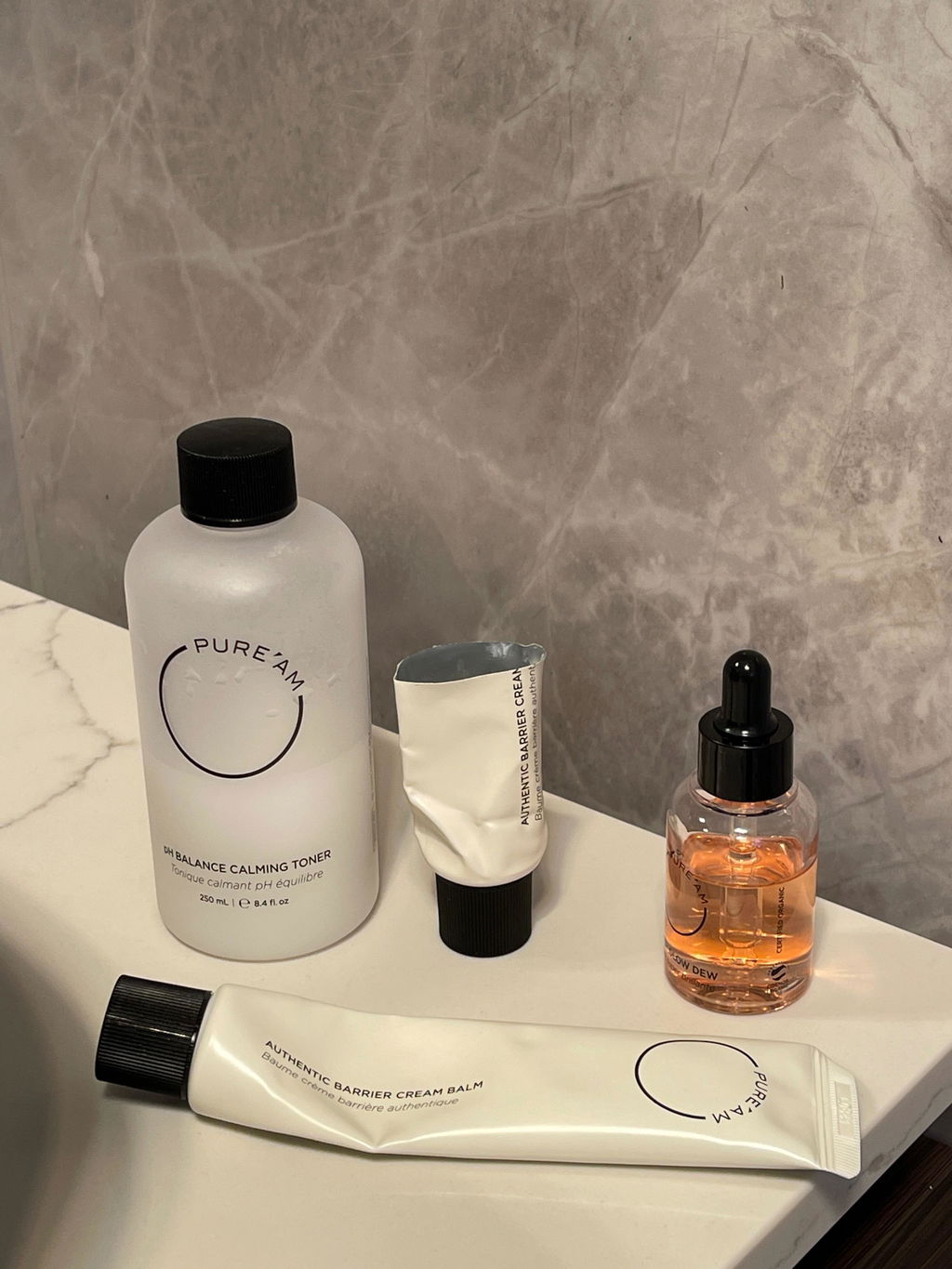
In the PURE'AM routine, pH BALANCE CALMING TONER is designed to bring freshly cleansed skin back toward its natural acidic range while replenishing water, and AUTHENTIC BARRIER CREAM BALM follows to resupply barrier lipids. Both are also available together as AUTHENTIC BARRIER DUO. For the full order and how to introduce each step, see A Simple K-Beauty Routine for Dry, Sensitive Skin. If your focus is purely on surfactant chemistry and post-cleanse pH, see our related guide on cleansers that remove sunscreen without double cleansing; this article builds on that by walking through sunscreen filter type, application thickness, and a self-check protocol.
FAQ
If my cleanser is pH-balanced, will it remove sunscreen?
pH tells you how gentle a cleanser is likely to be, not how well it removes sunscreen. Those are two separate properties. The Korea Consumer Agency's foam-cleanser test found real differences in sunscreen-removal grades between products, even though most were marketed as gentle (Daum News).
Do I need to cleanse in the morning too?
If you applied a barrier cream the night before, a light morning cleanse with an amino acid cleanser can help sunscreen go on more evenly. On days your skin feels tight, a lukewarm water rinse alone is a reasonable substitute.
Can I just use a cleansing oil by itself?
Testing conditions exist where a single oil cleanse was adequate for a thin sunscreen layer, but many people notice a lingering film after oil alone (Doctor Now). If slickness remains after oil cleansing, follow with a mild foam to finish the job.
Is a salicylic acid cleanser too much for sensitive skin?
Because a cleanser rinses off quickly, contact time is short and sustained irritation is less likely than with a leave-on product. If you're also using retinoids or higher-strength acids, scale back to once a day and watch how your skin responds.
Why does daily double cleansing cause problems for sensitive skin?
Higher-intensity cleansing is linked to greater lipid loss and higher transepidermal water loss, and dry or reactive skin generally does better with cleansers that disturb the barrier as little as possible (Pinnagoda et al., 1989). Reserving the second step for days that actually need it is the safer default.
If your everyday sunscreen is a thin, lightweight, chemical-filter formula, this week is a reasonable time to test dropping the second cleansing step. Start with AMINO ACID MILD CLEANSER and see how your skin responds after a single wash.