If the sunscreen you wore today isn't waterproof, one gentle cleanse usually removes most of it, and plain water alone is generally not enough. Waterproof, tinted, or mineral (zinc oxide, titanium dioxide) formulas tend to need a short oil or balm step first, followed by a brief water-based cleanse. For reactive skin, lukewarm water and a gentle touch with your fingertips matter more than adding a second cleanser.
The question we hear most from customers with sensitive or reactive skin is whether daily sunscreen means daily double cleansing. The honest answer depends less on the cleanser and more on what kind of sunscreen you put on that morning. Below, we walk through how to make that call and how to keep the wash itself gentle.
Sunscreen Is Built to Resist Washing Off
A sunscreen has to stay on your skin through sweat, humidity, and water to keep protecting you, so many formulas include film-formers (polymers that leave a thin coating on the skin), silicones, and oil-soluble emollients. That design choice is good for UV protection and works against easy water removal.
Worth saying plainly: sunscreen removal is a thinner research area than you'd expect. A 2023 call-to-action paper in Archives of Dermatological Research points out that the evidence base for removal methods remains limited. So treat the numbers below as findings from a specific study and product set, not universal constants.
How Water, Foam Cleanser, and Cleansing Oil Compare
Wei Chen and colleagues, writing in the Journal of Cosmetic Dermatology (2020), applied sunscreen to 20 participants and measured leftover residue with VISIA imaging before and after washing. For non-waterproof sunscreen, the residue rates were:
| Cleansing Method | Residue Remaining | What It Means |
|---|---|---|
| Water only | 54.0% ± 19.2% | More than half the sunscreen stays on skin |
| Foam cleanser | 15.6% ± 6.1% | One surfactant-based wash removes most of it |
| Cleansing oil | 13.4% ± 4.6% | Close to the foam cleanser result |
The same research team tested a waterproof SPF 50+ formula and found a different pattern. The Wiley-hosted abstract reports that cleansing oil performed best for the waterproof formula and caused less irritation and dryness than the foam cleanser in that group. With 20 participants, one product, and a single observation window, this is a directional finding rather than a rule for every sunscreen on the market.
Put simply: a light daily sunscreen doesn't call for two cleansing steps, and rinsing with water alone usually falls short.
When Double Cleansing Helps and When It's Overkill
Jane Wu, MD, of the Cleveland Clinic, explains that double cleansing isn't a required step for most people, and that dermatologists tend to worry more about over-washing than under-washing. The same resource notes that an oil-based first step is useful specifically when you're wearing waterproof makeup or waterproof sunscreen.
That points to matching the wash to the formula you actually wore:
- Light chemical-filter sunscreen, no waterproof claim. A gentle cleanser alone is generally enough.
- Waterproof or long-wear sunscreen, outdoor activity, heavy sweat. Add a short oil or balm step first, then keep the second cleanse brief.
- Tinted or mineral sunscreen (zinc oxide, titanium dioxide). Pigment and coating can resist water alone. An oil step helps, but there's no need to scrub longer.
- Morning cleansing. What's left on your face overnight is mostly residual moisturizer and sweat. Double cleansing is rarely necessary here.
The American Academy of Dermatology's face-washing guide recommends a mild, alcohol-free cleanser applied with lukewarm water and fingertips, no scrubbing with towels or mesh sponges, and limiting washing to twice a day plus after heavy sweating. Even on a double-cleanse day, it's worth keeping your total wash count inside that range.
Surfactant Class Shapes How Tight Skin Feels Afterward
A surfactant is the ingredient class that lets water and oil mix so surface residue rinses away. The class matters because different surfactants handle skin proteins and lipids differently.
A 2025 surfactant skin-compatibility review on ScienceDirect notes that anionic surfactants such as SLS and LAS tend to be more irritating, while amphoteric and nonionic classes are generally better tolerated. The review describes bio-based and amino-acid-derived surfactants as showing lower cytotoxicity and comparatively gentler interaction with skin proteins and lipids.
Ingredient-supplier technical material adds a more specific distinction. Alfa Chemistry's resource on amino acid surfactants describes glutamate-type amino acid surfactants as "non-delipidant," meaning they clear surface residue without stripping as much ceramide and cholesterol from between skin cells. That's supplier-sourced information, and a finished product's mildness still depends on pH, humectants, wash time, and water temperature together, not the surfactant class alone.
A 30-day clinical study on a soap-free amino-acid cleansing lotion reported statistically significant improvements in hydration and barrier markers, with no adverse reactions recorded. Sodium cocoyl apple amino acids, one ingredient used in that study, also appears in our own cleanser, but the tested product was not ours. This evidence points to the ingredient family in general, and our own formula's clinical performance remains untested here.
A Routine Built Around Matching Steps to Your Skin
Rather than stacking on more products, we recommend defining what each step is actually for.
- Check the formula first. Look at this morning's sunscreen for waterproof, tinted, or mineral (zinc oxide, titanium dioxide) labeling. That single check tells you whether an oil step is worth adding.
- Add an oil step only if needed. Massage an oil or balm onto dry skin for about 30 seconds, then emulsify with lukewarm water. Use fingertips only, and keep pressure light.
- Finish with an amino-acid cleanser. Our AMINO ACID MILD CLEANSER is built on an amino-acid surfactant system: sodium cocoyl glycinate, sodium cocoyl glutamate, sodium methyl cocoyl taurate, and sodium cocoyl apple amino acids (full ingredient list). It's labeled fragrance-free and sulfate-free; work it into a light lather and keep contact time on the face brief.
- Rinse with lukewarm water and pat, don't rub. Hot water and towel-rubbing tend to add irritation without removing more residue.
- Move to toner while skin is still damp. pH BALANCE CALMING TONER continues the hydration and calming step after cleansing. "Within 30 seconds of washing" is a commonly repeated guideline, though it isn't a clinically fixed window; the AAD's guidance is simply to moisturize soon after washing.
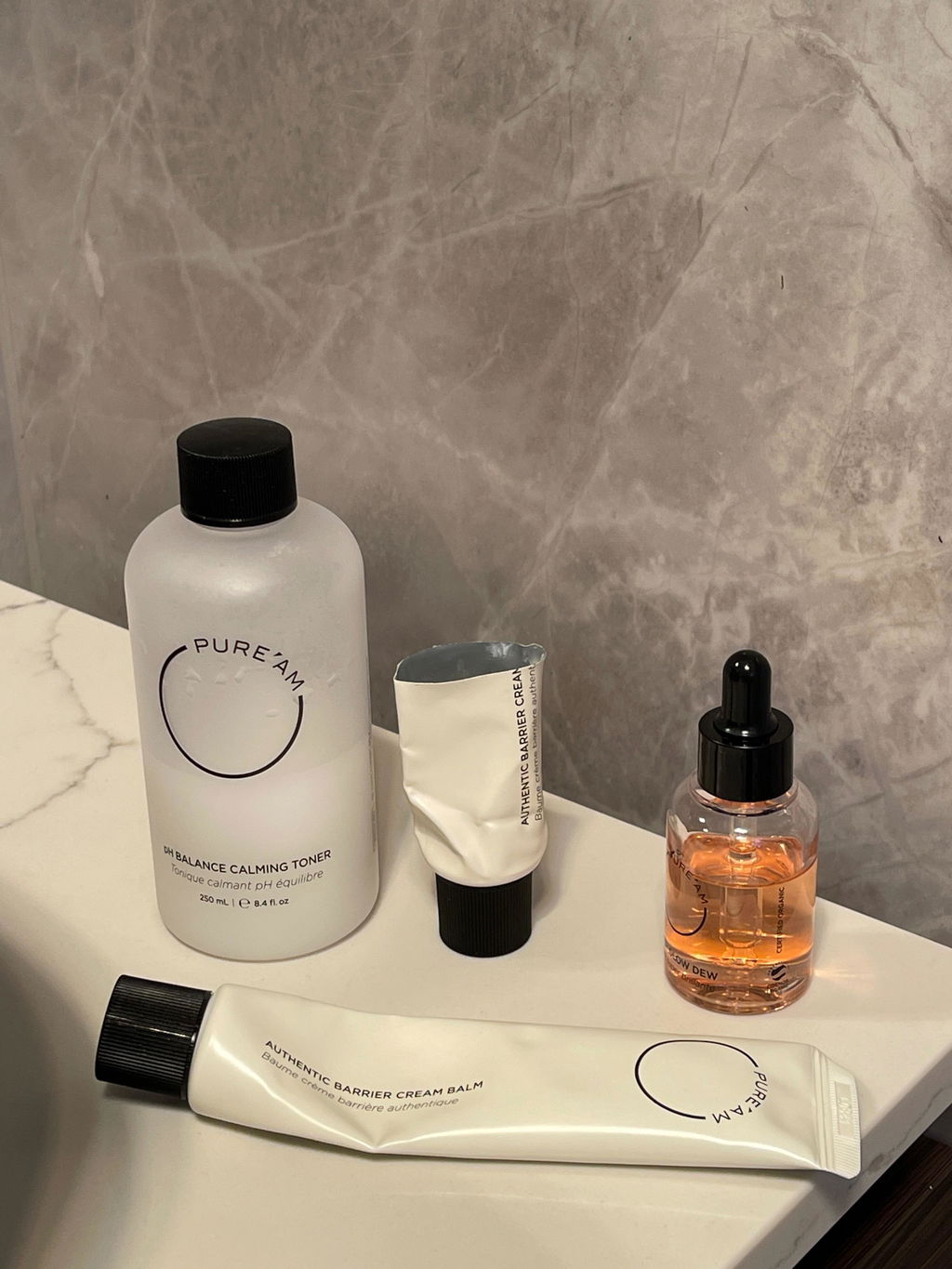
- Layer moisture and barrier care. On drier or tighter days, finish with AUTHENTIC BARRIER CREAM BALM. When using all four products together, our official order is cleanser, then toner, then cream balm, then SUPER GLOW DEW, with sunscreen layered on top in the morning.
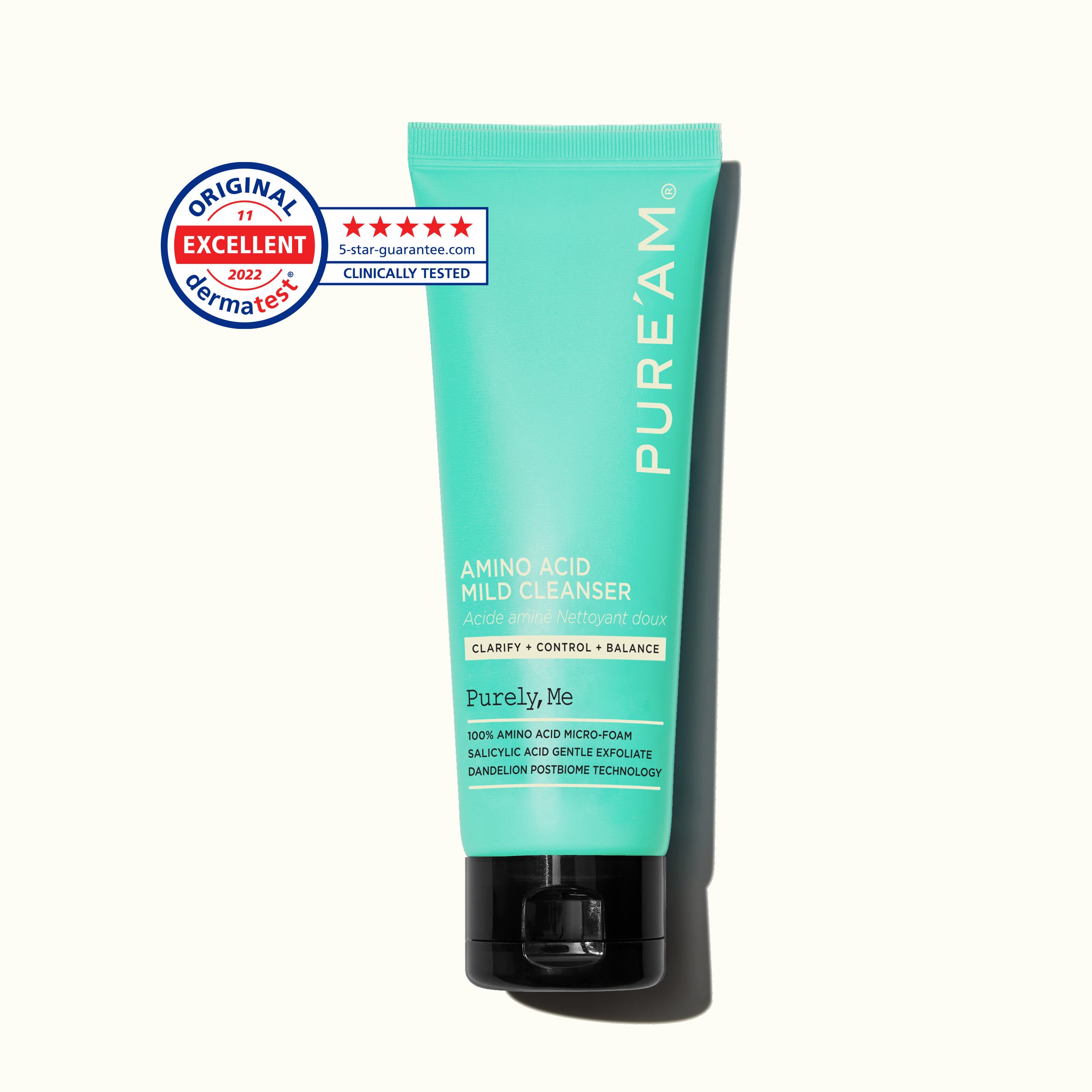
AMINO ACID MILD CLEANSER
23 USD
Shop now
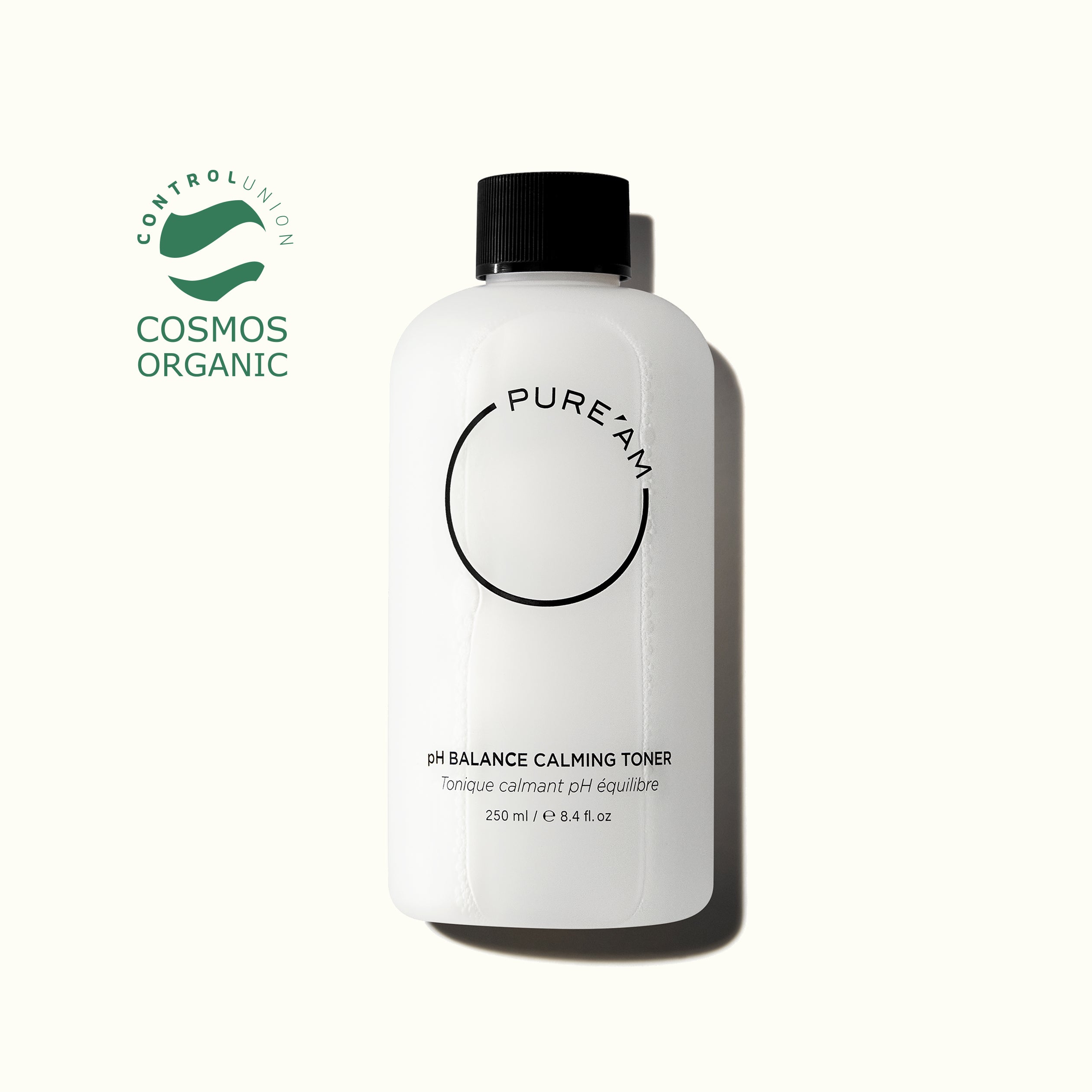
pH BALANCE CALMING TONER
29 USD
Shop now
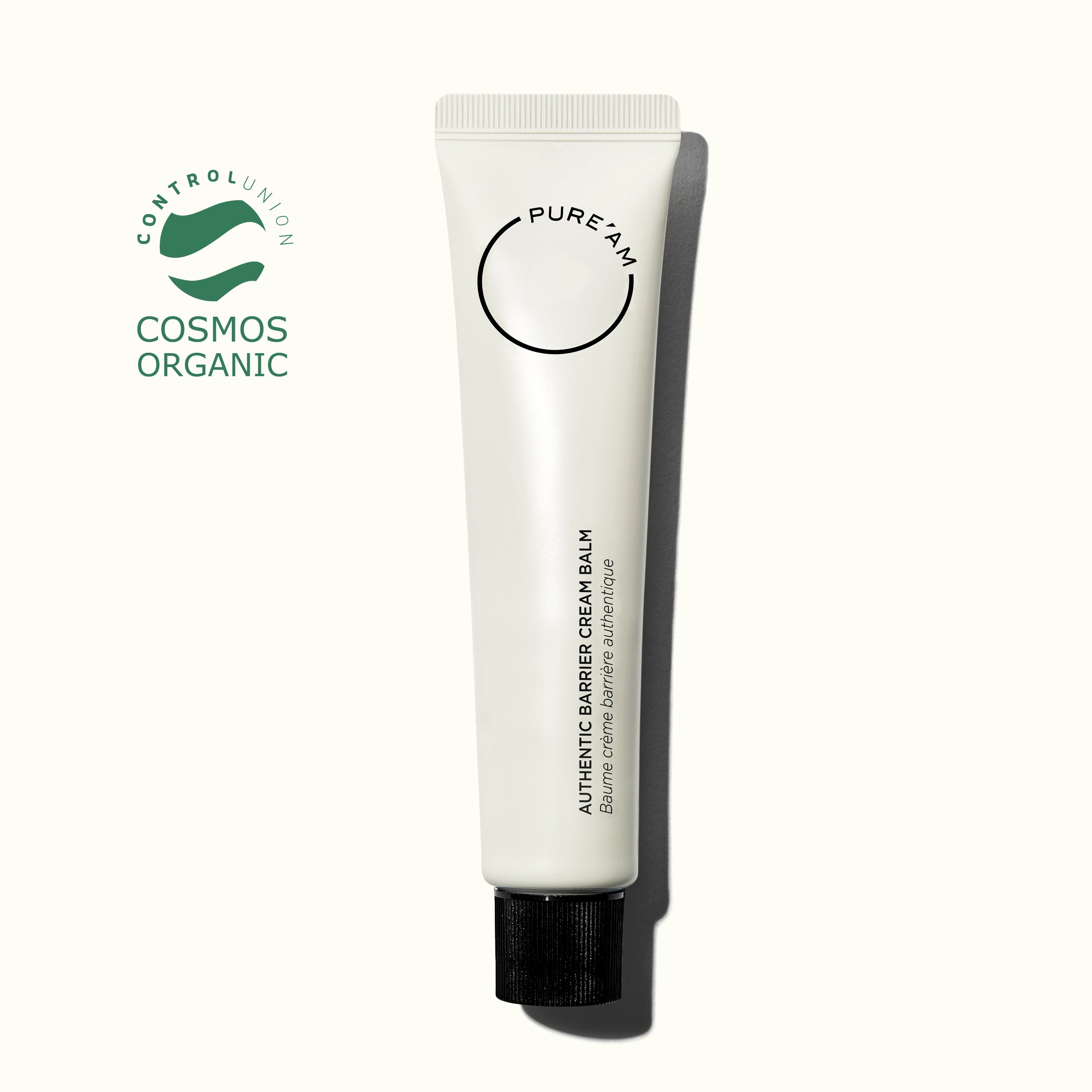
AUTHENTIC BARRIER CREAM BALM
37 USD
Shop now
You don't need every step every day. Think of the routine as a list of roles, and combine them based on how your skin feels and what texture you prefer that day.
Where Our Products Don't Cover the Whole Answer
It would be easy to make every question a reason to sell something, and that wouldn't serve you well, so here are the limits.
Our catalog doesn't include an oil cleanser or cleansing balm. If you regularly wear waterproof or mineral sunscreen, you'll need to pick a first-step product elsewhere, ideally a fragrance-free option with a simple oil composition.
There's also a claim we deliberately don't make about our own cleanser. Its official product page lists salicylic acid at under 0.5% along with rosemary leaf oil in the full ingredient list. We describe it as a cleanser that contains both an acid ingredient and an essential oil, not as an acid-free formula. Because it's rinsed off rather than left on skin, the exposure is different from a leave-on BHA product, but if you're taking a break from acids or have reacted to rosemary before, that's worth knowing before you choose it. How your skin responds can vary by person and by current skin condition.
If tightness continues after adjusting your cleansing method, it's worth checking the steps that follow cleansing too. We've written more about that in Is Barrier Cream Enough for Deep, Tight Sensitive Skin? and Toner, Barrier Cream, or Face Oil: What Order Is Right?
FAQ
Can micellar water alone remove sunscreen?
Micellar water works by suspending oil and light pigment in surfactant micelles, which a cotton pad then lifts away. It's convenient because you don't need to rinse, but formulas heavy in film-formers and silicones often take several passes to clear. For reactive skin, repeated wiping is itself a source of friction, so finishing with a brief water rinse is usually gentler than wiping multiple times.
How can I tell if sunscreen residue is still on my skin?
There's no home test that measures this precisely. If the products you apply afterward keep pilling or sitting on top, or your skin still feels slightly filmy after washing, that's a practical sign your cleansing method may not match the sunscreen formula. Treat it as an observation only.
Do I need to double cleanse in the morning too?
What's left on your face by morning is mostly overnight moisturizer and sweat, not sunscreen. Since the AAD recommends limiting washing to twice daily plus after heavy sweating, a second morning cleanse is more likely to tip into over-washing than to solve a residue problem.
Is it safe to use a cleanser with salicylic acid every day?
A low concentration of salicylic acid in a rinse-off formula has different exposure than a leave-on BHA product, since contact time is short. That said, daily use isn't automatically right for everyone. If you're also using other acids or retinoids, or you notice stinging after washing, cut back on frequency and check with a dermatologist if it continues.
One Thing to Try Tonight
Pull out today's sunscreen and check the label for waterproof, tinted, or mineral wording. If none of those apply, a single gentle cleanse tonight should be enough. If you want to build out the full routine from cleansing through barrier care, AMINO ACID MILD CLEANSER and pH BALANCE CALMING TONER are a reasonable place to start.