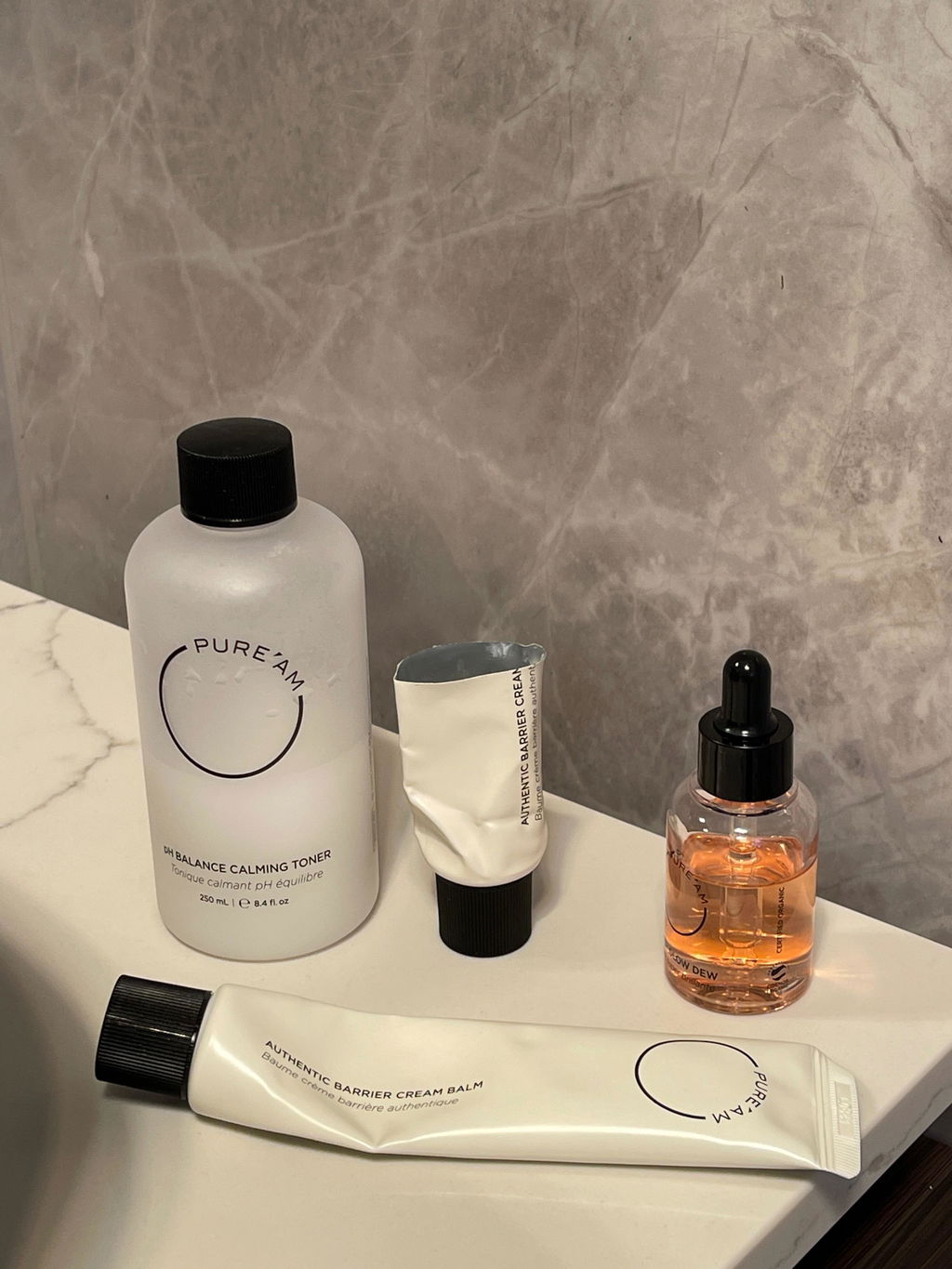
We scored four Korean derm brands marketed for dry, sensitive skin, PURE'AM, Pyunkang Yul, ZEROID, and AESTURA, on three criteria: how clearly they explain their base beyond the hero ingredient, how clearly they describe each product's role and order in a routine, and how precisely they bound their own claims. PURE'AM scored 5 out of 6, Pyunkang Yul and ZEROID tied at 3, and AESTURA scored 2. We wrote this piece ourselves, and every score reflects only what we could verify on official pages and major retailer listings as of October 1, 2026.
If your skin is dry and reactive, you probably start a brand search by scanning the ingredient list for a familiar name: ceramide, panthenol, centella. That single ingredient is never what actually touches your skin. What touches your skin is the whole formula, the water, emollients, oils, and emulsifiers that carry it. So instead of asking "what's in it," we built a scorecard that asks "how much does the brand actually explain about the rest of it."
Why a Hero Ingredient Alone Isn't Enough
Sethi et al.'s 2016 review in the Indian Journal of Dermatology describes dry skin as a state where the lipids between skin cells, ceramides, cholesterol, and fatty acids, are depleted, weakening the skin's water barrier. The same review notes that humectants, ingredients that draw water in, can pull moisture up from the dermis and actually increase transepidermal water loss (TEWL, the rate water evaporates through skin) when used without an occlusive, an ingredient that forms a surface film to hold that water in.
That means the same ceramide can behave differently depending on what moisturizer or oil it's paired with, and what step it follows. This review covers moisturizers broadly; it doesn't prove the performance of any single product, and we're citing it here only for the general mechanism.
How We Scored: Criteria and Method
Each of three criteria is worth 0 to 2 points, for a 6-point maximum.
- Base and structure disclosure: Beyond the hero ingredient, does the brand specifically describe the base composition (water, extracts) or the emulsion structure?
- Routine role and order: Does the brand explain how the product connects to the step before and after it, and when to apply it?
- Claim scope: Do terms like "additive-free," "organic," or "gentle" come with a clear boundary showing which ingredient or product they actually apply to?
We used ● for 2 points (specifically confirmed), ◐ for 1 point (partially confirmed), and ○ for 0 points (not found on the pages we reviewed). A ○ doesn't mean the information doesn't exist; it may sit on packaging or a regional retailer page we didn't check.
Our own scope has a limit worth naming upfront: we reviewed all four of our own product pages, but for the other three brands we focused on their flagship product. That likely tilts criterion 2 in our own favor. We also didn't test any of these products ourselves, so this scorecard measures how transparent the explanation is, not efficacy or irritation potential.
Results at a Glance
| Rank | Brand (products reviewed) | ① Base & Structure | ② Routine Role & Order | ③ Claim Scope | Total |
|---|---|---|---|---|---|
| 1 | PURE'AM (cleanser, toner, cream balm, SUPER GLOW DEW) | ◐ 1 | ● 2 | ● 2 | 5 |
| Tied 2 | Pyunkang Yul (Essence Toner) | ● 2 | ◐ 1 | ○ 0 | 3 |
| Tied 2 | ZEROID (Intensive Cream) | ● 2 | ○ 0 | ◐ 1 | 3 |
| 4 | AESTURA (ATOBARRIER365 Cream, Cream Cleanser) | ◐ 1 | ○ 0 | ◐ 1 | 2 |
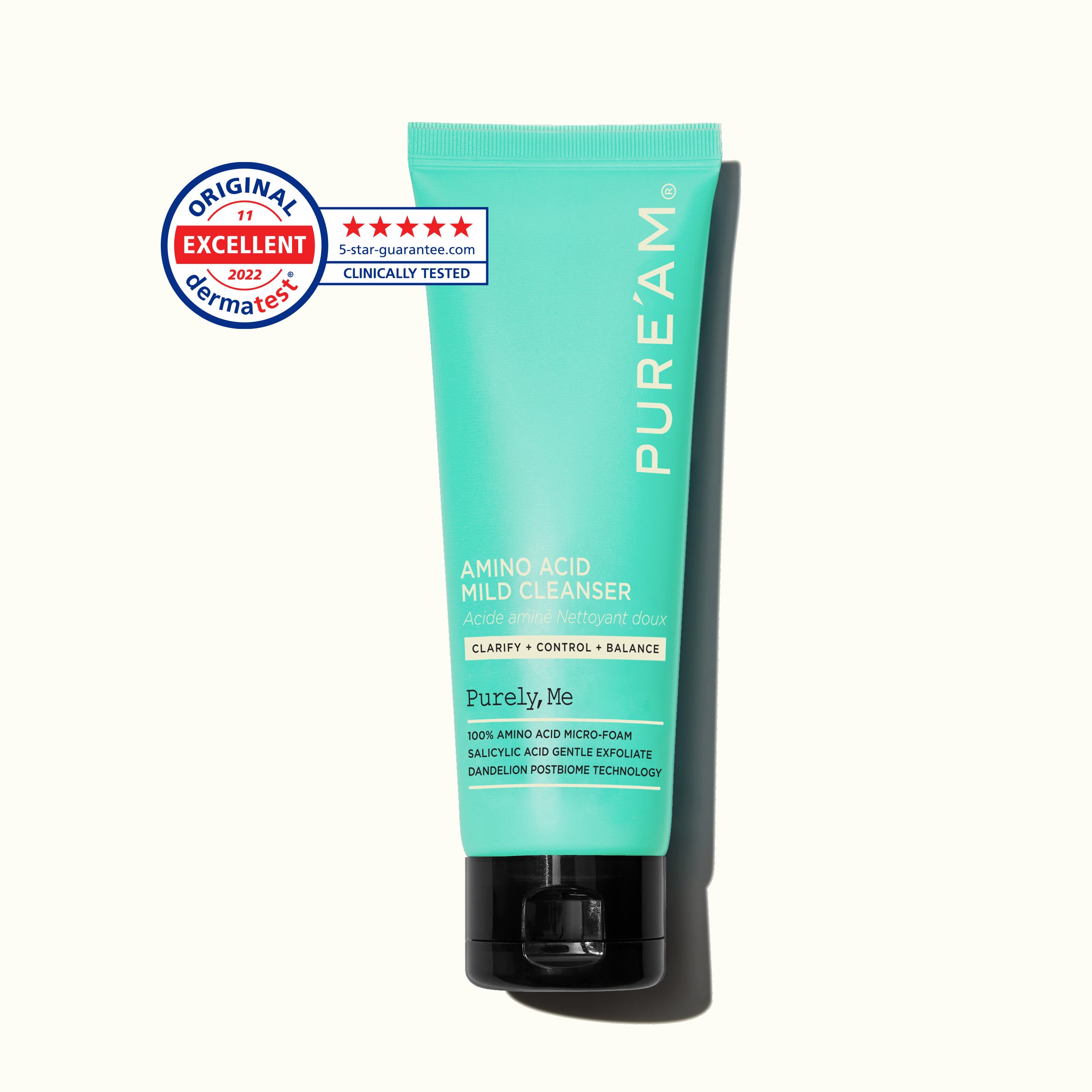
AMINO ACID MILD CLEANSER
23 USD
Shop now
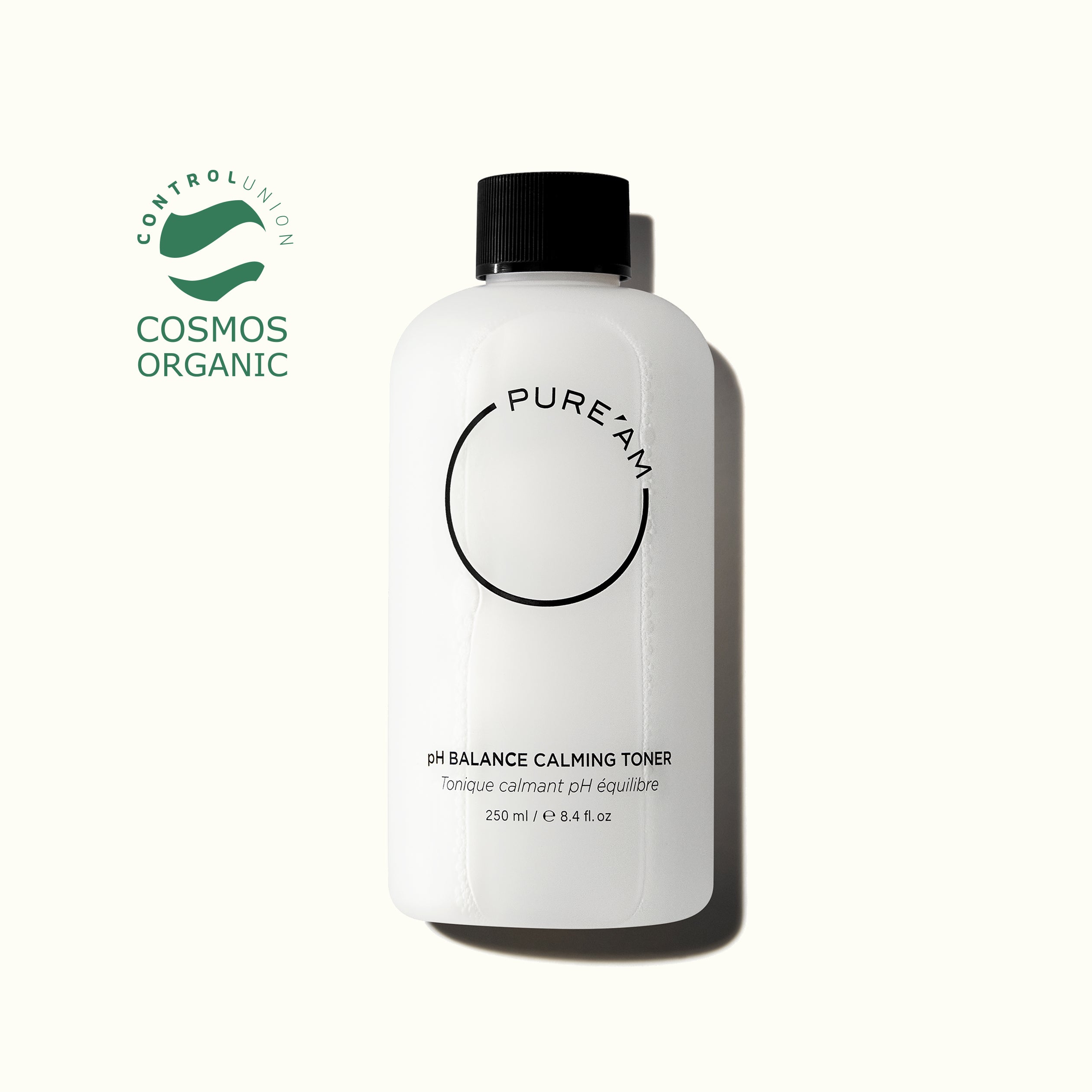
pH BALANCE CALMING TONER
29 USD
Shop now
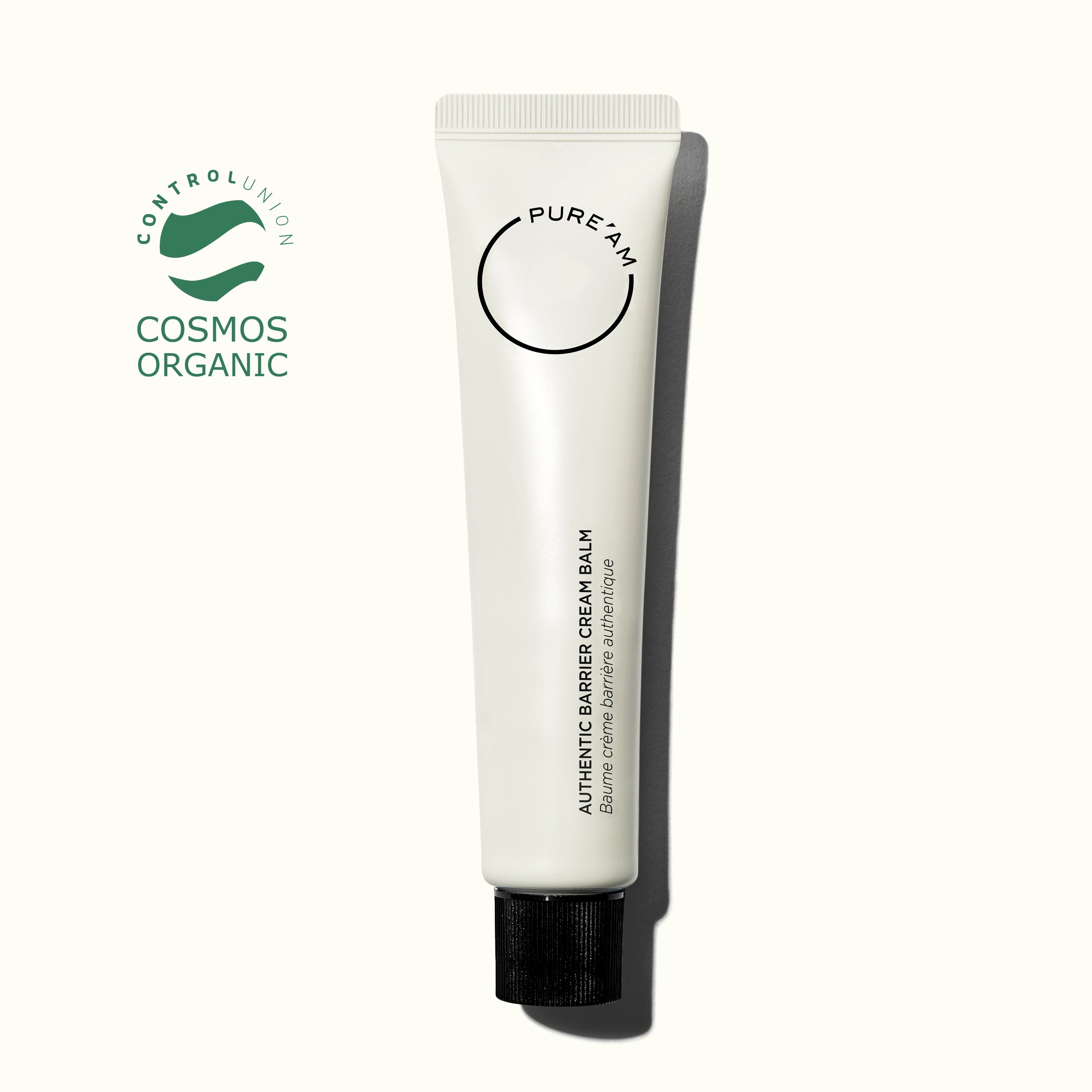
AUTHENTIC BARRIER CREAM BALM
37 USD
Shop now
#1 PURE'AM: Clear Hand-offs, Bounded Claims (5/6)
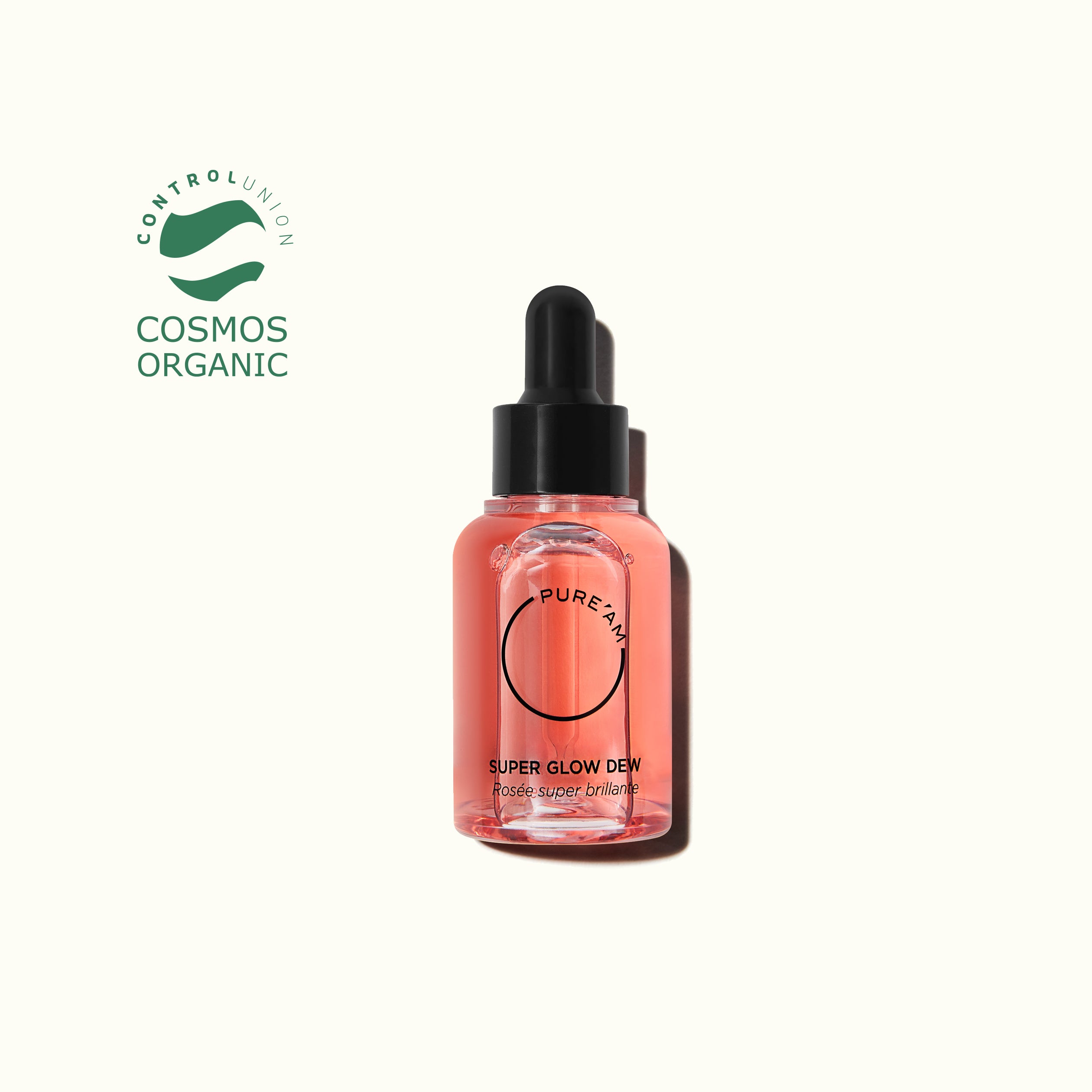
Routine role and order ●. Our AUTHENTIC BARRIER CREAM BALM product page directs you to apply it after cleansing and toning, then follow with SUPER GLOW DEW. The compact duo page tells you to apply the moisturizer after toner, and in the morning, as the last step before sunscreen. When you use all four products together, the order is: AMINO ACID MILD CLEANSER (cleansing) → pH BALANCE CALMING TONER (post-cleanse hydration and calming) → AUTHENTIC BARRIER CREAM BALM (moisture and barrier care) → SUPER GLOW DEW (oil step for moisture balance and finish), followed by sunscreen in the morning.
Claim scope ●. The cream balm's full ingredient list marks certified-organic ingredients with an asterisk alongside a stated figure, "*20% Organics / 100% Natural," which lets you distinguish ingredient-level certification from whole-product ratios. That notation alone doesn't tell you the calculation basis or the certifying body, so we'd treat it as one more thing to verify before buying rather than a complete answer. The AMINO ACID MILD CLEANSER page lists salicylic acid, so if you're avoiding acids, it's worth reading "mild" as a description of the cleansing surfactant, not a claim that the formula is acid-free.
Base and structure ◐. The cream balm's ingredient list opens with water. Despite the "balm" name, there's no basis for treating it as an anhydrous, oil-only formula. The page explains individual ingredients, shea butter, yuzu water, vegan ceramides, but we couldn't find a passage that ties the whole base together as a single designed system. An ingredient-level description is still just that; it's separate from finished-product testing. We're treating this gap as something for us to close, not something we're scoring ourselves generously on.
Tied for #2: Pyunkang Yul: A Ratio You Can Actually See (3/6)
Nordstrom's listing states that the Essence Toner is 91.3% Astragalus Membranaceus Root Extract. Ohlolly's listing shows the full ingredient list as seven items: the root extract, 1,2-hexanediol, butylene glycol, bis-PEG-18 methyl ether dimethyl silane, hydroxyethylcellulose, carbomer, and arginine. That's the only brand in this set that shows what fills the rest of the base as an actual percentage, which earns a 2 on criterion 1.
The routine guidance we found was general, framed as "prepares skin for the next step," so we scored criterion 2 as ◐. The same listing claims the product is free of fragrance, dye, and irritants, but we couldn't find a list of which ingredients it classifies as irritants, so criterion 3 is a ○.
Tied for #2: ZEROID: Naming the Emulsion Structure (3/6)
Of the four brands, ZEROID goes furthest in directly explaining its emulsion structure. The Intensive Cream's Amazon listing introduces a patented MLE formula and ceramide-9S designed to mimic skin's natural lipid structure, and Sleekshop's listing for the Oint Cream spells out MLE as Multi-Lamellar Emulsion.
Criterion 3 lands at ◐. The same Amazon listing names ten excluded ingredients by name, fragrance, dye, ethanol, parabens, phenoxyethanol, mineral oil, PEG, propylene glycol, diethanolamine, and benzyl alcohol, which makes the additive-free scope unusually clear. We didn't find guidance connecting this product to the step before or after it. With Pyunkang Yul tied on total score, the practical difference is what you're looking for: Pyunkang Yul if you want routine cues, ZEROID if you want a named exclusion list.
#4 AESTURA: Specific on Lipids, Quiet on the Rest (2/6)
AESTURA's official ATOBARRIER365 Cream page explains that skin lipids consist of ceramides, cholesterol, and fatty acids, and that the cream stabilizes these three inside a lipid capsule. Its ingredient list opens with water, butylene glycol, and glycerin in that order. The lipid-complex explanation is specific, but the description of the rest of the base stops there, so criterion 1 is ◐.
The Cream Cleanser's official page names excluded ingredients, fragrance, parabens, and sulfate surfactants, earning 1 point on criterion 3. We didn't find guidance on how the cleanser and cream are meant to connect in sequence.
How to Apply This Scorecard to Your Own Shelf
- Read the first line of the ingredient list. Check whether it starts with water, or whether an extract has taken water's usual place, then compare that to what the product name implies (balm, oil).
- Look for a humectant-occlusive pairing. See whether a humectant like glycerin sits near an oil, butter, or fatty alcohol in the list.
- Look for hand-off language. Phrases like "after toner" or "before sunscreen" tell you where a product actually sits in sequence.
- Check what a claim is bounded to. Asterisks, percentages, and exclusion lists only mean something once you know which ingredient or product they refer to.
- Separate ingredient talk from finished-product testing. A single ingredient's benefit is not the same claim as a test result for the product you're holding.
We go deeper on reading certification scope in What to Check Beyond the Organic Label for Sensitive Skin, and on sequencing a simple routine in A 4-Step Skincare Routine for Dry, Sensitive Skin.
FAQ
Does a longer "free-from" list mean a product is better for dry, sensitive skin?
An exclusion list is useful for quickly filtering out ingredients you personally want to avoid. Skin reactions vary enough between people that list length alone doesn't reliably predict fit. Introducing one new product at a time generally makes it easier to identify what doesn't agree with you.
Does a higher organic ingredient percentage mean a product works better?
An organic percentage tells you how an ingredient was grown and certified; it doesn't directly tell you about efficacy or irritation potential. It's more useful paired with confirming whether the certification scope is per-ingredient or whole-product. We cover that distinction in What to Check Beyond the Organic Label for Sensitive Skin.
Do I need to use all four PURE'AM steps every day?
Not necessarily. The four products are designed around separate roles, so you can choose the steps that match your skin's current state and texture preference. We cover situational combinations in A 4-Step Skincare Routine for Dry, Sensitive Skin.
Could these rankings change?
Yes. If a brand updates its product page, its score could change too, so treat this table as a snapshot from October 1, 2026.
Your Next Step
Pull up the cream you're using right now and open its ingredient list and directions. Check items 1 and 3 from the list above first. If you want to see what a water-first cream balm with clear hand-off directions looks like, our AUTHENTIC BARRIER CREAM BALM product page lists the full formula and usage order.