Post-Wash Tightness: The Cleanser Surfactant Class That Actually Matters
TL;DR: Post-wash tightness comes from a cleanser's primary surfactant stripping intercellular lipids along with surface oil; the brand on the bottle has nothing to do with it. The most reliable way to choose a gentle cleanser is to check the surfactant class in the first five ingredients and the pH it's formulated to work at. Amino acid surfactants rank first, acyl isethionates second, alkyl glucosides third, and soap-based fatty acid systems last, and we rank every class against that order below.
If your cheeks pull tight before you've even reached for a towel, the cause usually sits in the first five lines of the ingredient list. Some cleansers lift away surface sebum and grime and stop there. Others carry off the ceramides and cholesterol packed between skin cells at the same time. That difference comes down entirely to surfactant class.
We've spent years checking this exact sequence while building a barrier-focused routine that runs from cleanser to cream. Here is the same evaluation order we use internally, laid out as a ranking.
The Four Criteria We Ranked By
Before naming names, here's what we scored and what we didn't: brand recognition and review star ratings played no role. Every class was judged on these four points only.
| Criterion | What it checks | How we checked it |
|---|---|---|
| ① Primary surfactant class | Which cleansing agent sits in the first 5 ingredients | Ingredient list |
| ② Lipid stripping | Whether the surfactant dissolves ceramides, cholesterol, and fatty acids along with sebum | Surfactant literature |
| ③ Working pH | Whether the formula's designed pH matches the skin's acid mantle | Manufacturer data and literature |
| ④ Published evidence | Whether mildness claims trace to a study, patent, or peer-reviewed source | Clinical, patent, and journal sources |
Criterion ② carries the most weight, with ③ close behind. Research on surfactant-induced skin irritation found that surfactants causing the most irritation interact strongly with skin proteins, while surfactants that react minimally with both lipids and proteins tend to be the mildest. The same research adds that cleanser pH compounds surfactant-driven dryness and irritation on its own, which is why we weight class and pH together rather than either alone.
Class 1: Amino Acid Surfactants (Acyl Glutamates, Glycinates)
This is the first class worth considering if your skin tightens after almost every wash.
On the glutamate side, Alfa Chemistry's resource on amino acid surfactants classifies ingredients like sodium lauroyl glutamate as non-delipidant: they clear surface residue without pulling out the intercellular lipids that make up the barrier. The same resource notes that older surfactants such as SLS denature proteins and dissolve lipids in the stratum corneum, raising transepidermal water loss, while amino acid surfactants interact with skin proteins far more gently.
Glycinates sit in the same family. U.S. Patent 9,526,684 on N-acyl glycinate compositions points out that glycine is the most abundant amino acid in the structural proteins of human skin and hair, and describes N-acyl glycinates as protecting the natural moisturizing factor that washing off usually depletes quickly, while reinforcing intercellular lipids rather than removing them.
Working pH is another strength of this class. Per the same Alfa Chemistry resource, most amino acid surfactants perform best between pH 5.5 and 6.5, which nearly overlaps with healthy skin pH. Soap-based cleansing, by contrast, operates in an alkaline range that swells the stratum corneum and changes lipid rigidity, the same resource notes.
The Clinical Evidence Behind the Class
You may be wondering whether the class-level story holds up in real use. Patel M, Khatri A, Khatri R, et al. published an open-label trial in Cureus in 2025 on a soap-free cleansing lotion using sodium cocoyl apple amino acids as its primary surfactant. Twenty-seven adults with dry, oily, sensitive, combination, and normal skin completed 30 days; skin hydration improved by 46.07 ± 8.47 and barrier function by 9.27 ± 1.83, both statistically significant (p < 0.0001), with no adverse events reported.
The authors' own limitations deserve equal weight: the sample was small at 27 participants, there was no control group, and the open-label short-term design makes the findings preliminary. This trial measured one specific product, and its results apply to that product alone.
Where Our Own Cleanser Sits in This Class
Our AMINO ACID MILD CLEANSER is formulated to meet this Class 1 bar. It uses 100% amino acid surfactants as its cleansing base, is designed to preserve skin's native pH and microbiome, and adds salicylic acid with Dandelion Postbiome Technology for pore-level cleansing. It's 120ml for $23.
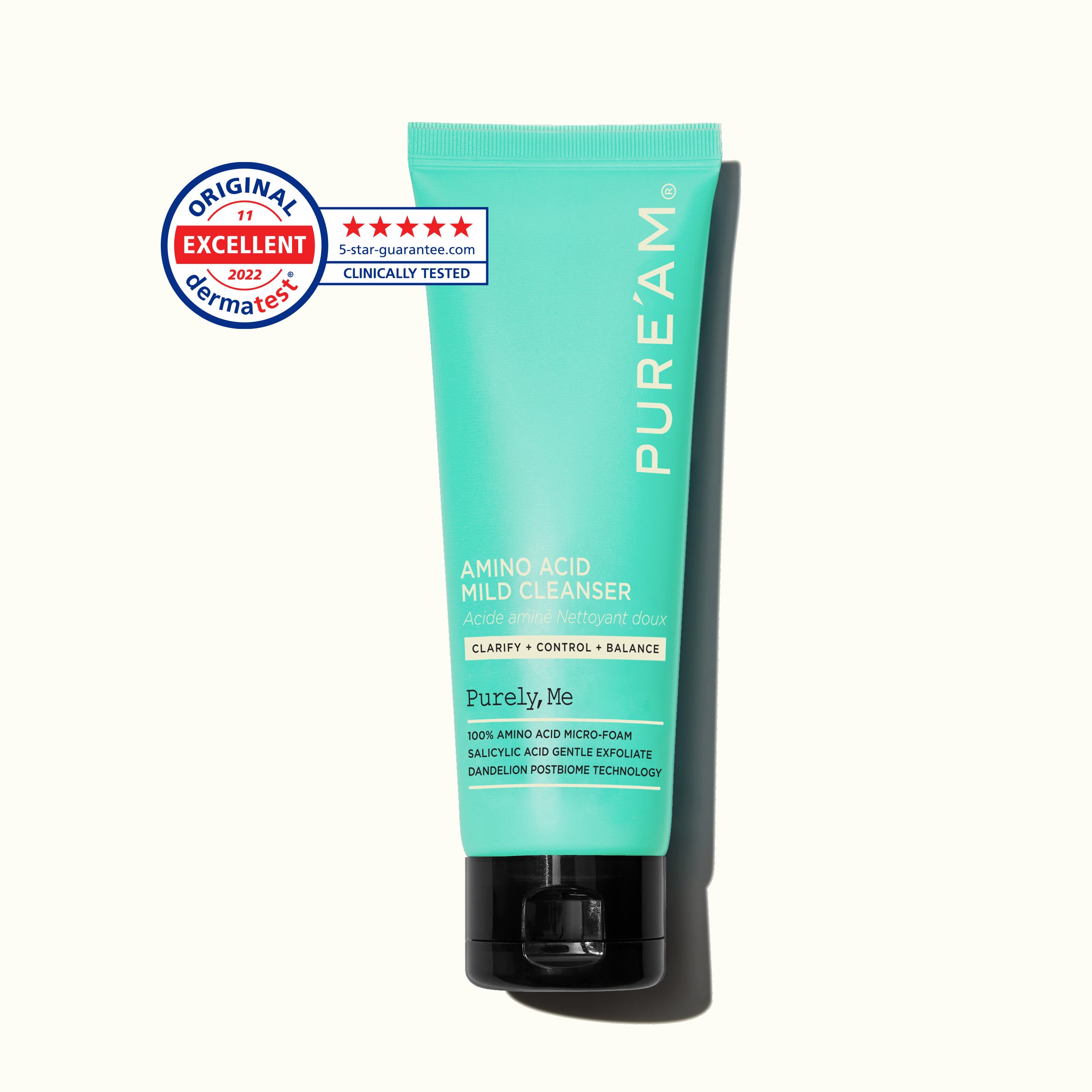
AMINO ACID MILD CLEANSER
23 USD
Shop now
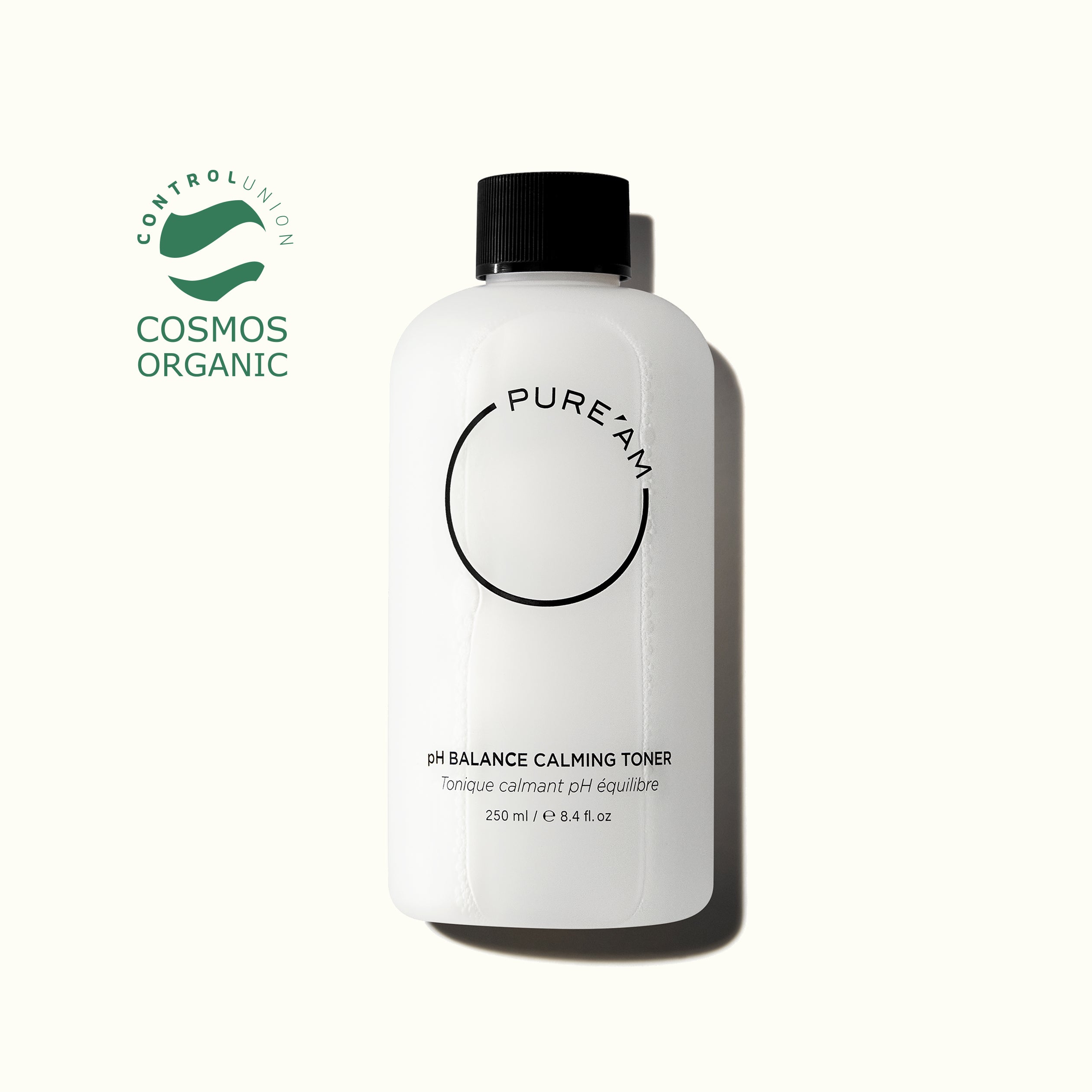
pH BALANCE CALMING TONER
29 USD
Shop now
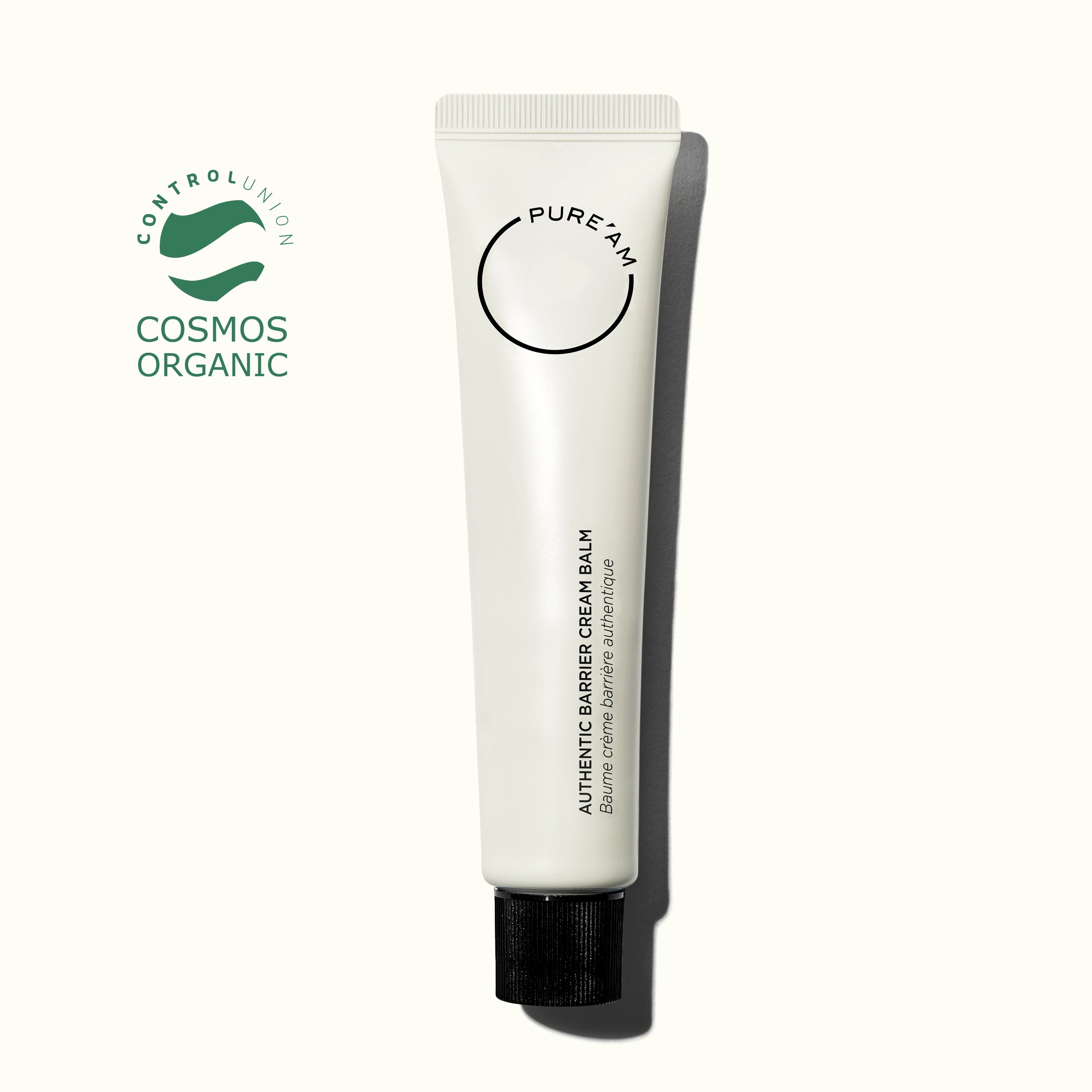
AUTHENTIC BARRIER CREAM BALM
37 USD
Shop now
To be transparent, we haven't yet published TEWL clinical data run specifically on this cleanser, and the Cureus trial cited above wasn't conducted on our product either. What we can point to today is our surfactant class choice and the literature behind that class. Product-level clinical testing is a different tier of evidence, and we don't want to blur that line.
What to Look For on the Label
If these names appear near the top of the ingredient list, right after water and glycerin, the product falls into this class.
- Sodium/potassium cocoyl glutamate, sodium lauroyl glutamate
- Sodium/potassium cocoyl glycinate
- Sodium cocoyl alaninate
- Sodium cocoyl apple amino acids
- Sodium lauroyl sarcosinate
Class 2: Acyl Isethionates
Sodium cocoyl isethionate is the flagship ingredient here. It's mild on its own, but we rank it second because most of its documented advantages show up in combination formulas rather than alone. Where amino acid surfactants reduce protein interaction outright, isethionates deliver a creamy lather and pleasant texture, with mildness completing the picture once paired with a co-surfactant, per the same Alfa Chemistry classification referenced above.
If your skin is dry and reactive, a formula that pairs isethionate with an amino acid surfactant is a safer bet than one relying on isethionate as the sole cleansing agent.
Class 3: Alkyl Glucosides (Nonionic)
Decyl glucoside and coco glucoside are widely known as gentle nonionic surfactants, and irritation-panel scores back that reputation. From a lipid standpoint, though, there's a caveat worth noting.
Regimen Lab's breakdown of sodium cocoyl glutamate cites reports that decyl glucoside, despite scoring low on irritation panels, has been shown to solubilize cholesterol and fatty acids, while acyl glutamates are considered non-delipidant because they don't dissolve intercellular lipids including cholesterol. Low irritation and lipid preservation are two separate measurements, and for skin that tightens after washing, the lipid measurement is the more direct variable. Because this source is a brand-run blog rather than a peer-reviewed study or patent, we weight it below the Class 1 sources above.
Class 4: Soap-Based (Fatty Acid + Alkali)
If myristic acid, stearic acid, or palmitic acid appear near the top of the list alongside potassium hydroxide, this is the class, regardless of what the front label claims. Even a product marked "pH-balanced" cleanses through a soap reaction when this combination sits at the top of the ingredient list.
Korean Patent KR102346369B1 on cleansing foam compositions containing amino acid surfactants describes, in its background section, soap as strongly alkaline at roughly pH 9-10, capable of irritating delicate skin, and low in moisturizing agents, which can cause tightness and roughness on dry skin. That lines up directly with the earlier point from the surfactant-irritation research that pH compounds the irritation surfactants already cause.
This split shows up in product comparisons too. Beauticslab's comparison of five dry/sensitive-skin cleansers frames surfactant type and pH direction as the key variables for dry, sensitive skin, noting that amino acid, mildly acidic formulas and soap-based, alkaline formulas work in opposite directions relative to the skin's acid mantle. The same piece points out that even a cream cleanser with lower in-wash dryness can still be limited for sensitive skin if it relies on essential-oil fragrance.
Where This Ranking Can Mislead You
Class ranking is a starting point, not a verdict. The counter-evidence matters just as much.
A 2024 study on reducing the irritation of potassium cocoyl glycinate states plainly that mildness varies across amino acid derivatives and that their potential for irritation as anionic surfactants shouldn't be overlooked. The same study cites a report of significant irritation when sodium cocoyl glutamate was tested at 5% concentration. Concentration, formulation partners, and final pH all decide the outcome together.
In practice, that translates into a few working rules.
- Choose Class 1 first, but if the amino acid surfactant only appears mid-list while a fatty acid sits at the top, reclassify the product as Class 4.
- Treat fragranced formulas as a separate variable for sensitive skin, regardless of surfactant class.
- Within the same class, the real test is whether skin feels tight within 30 seconds of rinsing.
- Give any new cleanser at least two weeks on the same routine before judging it.
Why the Next Two Steps Still Matter
If you've already switched to a Class 1 cleanser and still feel tight by afternoon, the remaining variables are pH recovery right after washing and lipid replenishment afterward. Cleansing raises surface pH temporarily, and something has to bring it back down while restocking intercellular lipids.
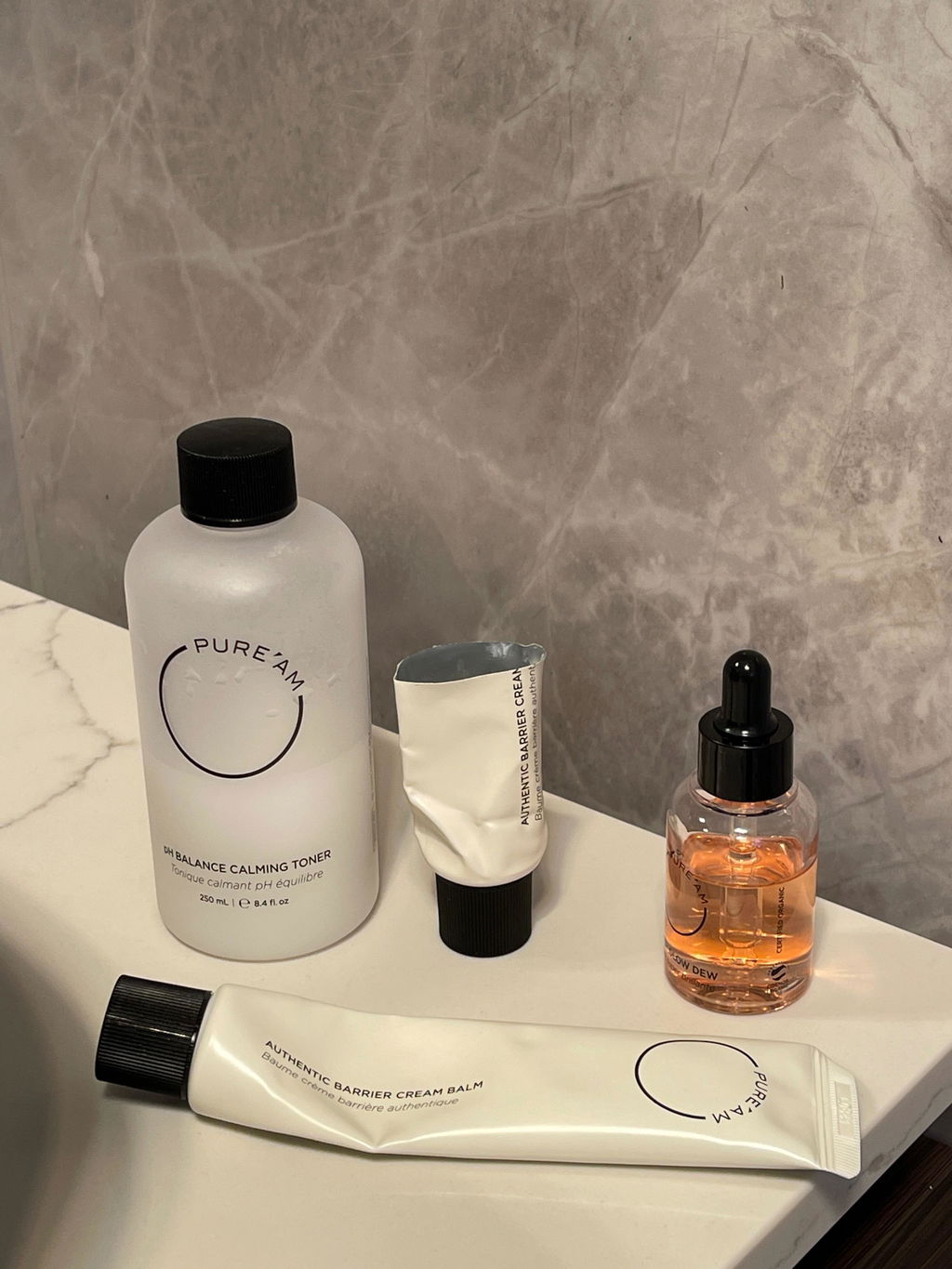
Our own routine runs three steps: cleanse with the AMINO ACID MILD CLEANSER, rebalance pH with the pH BALANCE CALMING TONER, then seal in barrier support with the AUTHENTIC BARRIER CREAM BALM, which contains liposome-encapsulated Vegan Ceramide, Triple Hyaluronic Acid, and polyglutamic acid.
You don't need to change all three steps at once. Tightness usually starts at step one, so we recommend swapping only the cleanser first and giving it two weeks before touching anything else. If your barrier is already stressed from retinol or acids, The Best K-Beauty Cleanser for a Retinol-Stressed Barrier walks through that specific swap, and Does Your Cleanser's pH Affect How Well Your Serum Works? covers how this first step changes what your serum can do.
FAQ
If a cleanser is labeled "pH-balanced," does that mean it's gentle?
The labeled pH describes the finished formula, and the surfactant class doing the actual cleansing is separate information. As the surfactant-irritation research above found, irritation is determined first by how much a surfactant interacts with skin protein and lipid, with pH acting as a second variable that adds to or subtracts from that irritation. Checking the top of the ingredient list alongside the pH claim gives a more accurate picture.
If my skin feels slightly slippery after rinsing, does that mean it isn't fully clean?
That finish is common with formulas that strip less lipid. A squeaky-clean feel is a signal of cleansing intensity, not a measure of whether skin is actually clean. On days you've worn sunscreen or makeup, though, that residue could be real, so it's worth checking your hairline and the sides of your nose by hand.
Is a salicylic acid cleanser too harsh for sensitive skin?
The cleansing base and contact time matter more than the acid itself. In a rinse-off format, contact time is short, and a base from a lower-stripping class changes the outcome. If you're also using an exfoliating acid or a retinoid elsewhere in your routine, adjusting frequency is the safer move.
How soon will switching to an amino acid cleanser show a difference?
The Cureus trial cited above measured hydration and barrier changes at the 30-day mark. Everyone notices at a different pace, but holding your routine steady for at least two weeks after any product change makes the result easier to judge.
Do I really need to double cleanse?
If a cleanser has enough cleansing power on its own, once a day is often enough. On days you've worn waterproof sunscreen or long-wear makeup, an oil or balm first cut down on friction helps, since friction itself is a real irritant for sensitive skin.
If tightness after washing has been a recurring problem, start today by checking the first five lines of your current cleanser's ingredient list. That alone answers half the question.