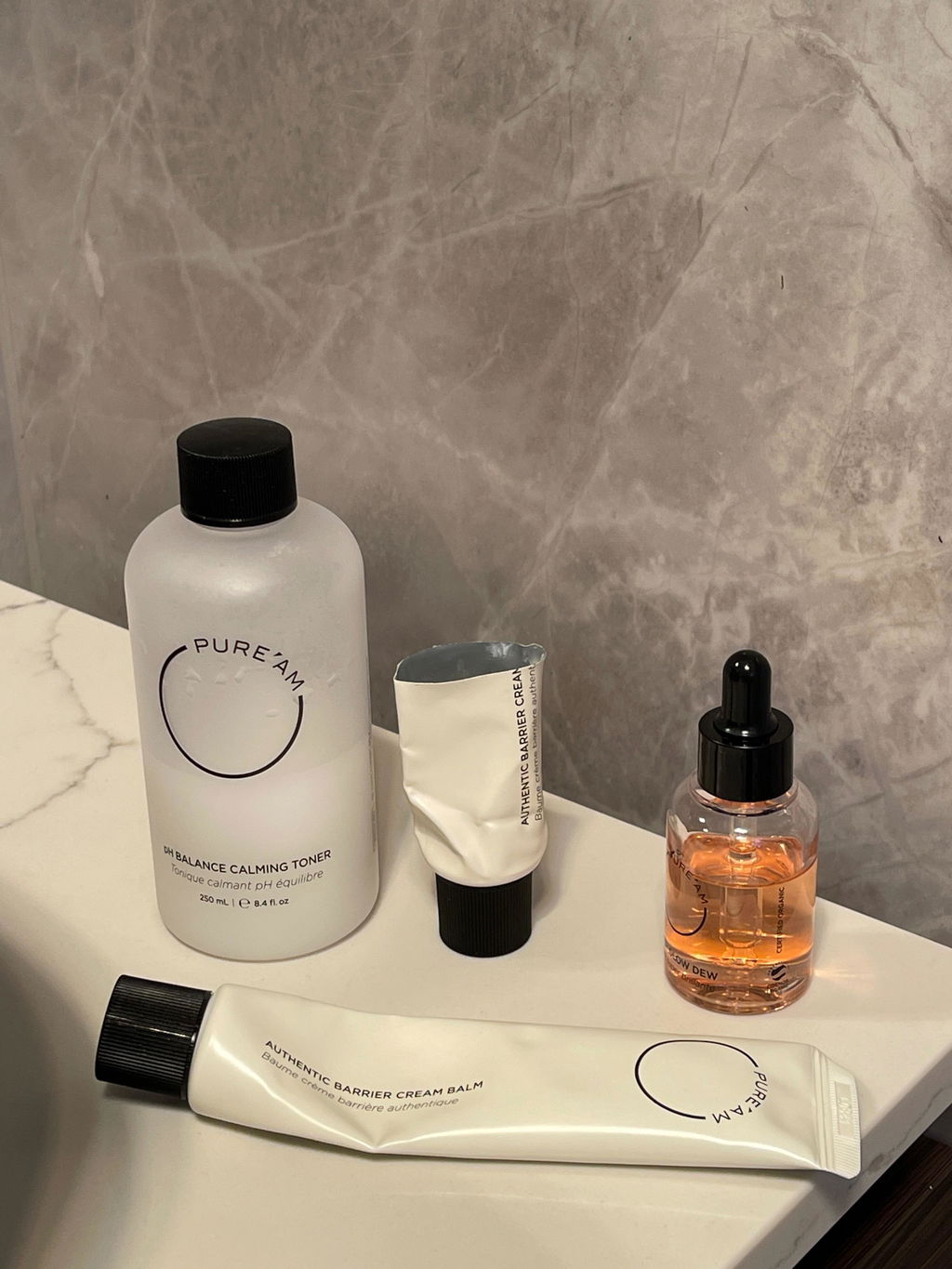
TL;DR: Swapping CeraVe Moisturizing Cream for one organic-labeled cream rarely fixes a damaged barrier, because CeraVe's result comes from a formula built around a 3:1:1 ceramide-cholesterol-fatty acid ratio, not from any single ingredient you could avoid. A real alternative needs a cleanser that lands near the skin's natural pH, a toner that resets that pH after washing, and a moisturizer that rebuilds the lipid matrix, and it needs to skip heavy essential oils that many organic-certified creams still use. PURE'AM's amino acid cleanser, calming toner, and barrier cream balm are built as that three-step sequence rather than a single swap-in jar.
If you're looking at CeraVe because of petrolatum, dimethicone, or a synthetic-sounding ingredient list, the honest answer is that removing those three ingredients from your routine will not automatically calm a damaged barrier. What repairs a barrier is the layered sequence around the moisturizer: how your cleanser leaves your skin's pH, whether anything corrects that pH before the cream goes on, and whether the cream itself replaces the lipids skin actually needs. Below is what's really in CeraVe's formula, what the research says about barrier repair, and how a three-product routine compares to a one-jar swap.
What's actually in CeraVe Moisturizing Cream
CeraVe's own ingredient list for the Moisturizing Cream includes water, glycerin, cetearyl alcohol, petrolatum, ceramides NP, AP, and EOP, carbomer, dimethicone, cholesterol, and phenoxyethanol, among other ingredients (CeraVe). The brand itself points to the three ceramides, hyaluronic acid, petrolatum, and dimethicone as the ingredients doing the work, paired with its MVE delivery technology for slow, continuous release (CeraVe).
That matters because petrolatum and dimethicone aren't filler. They're occlusives, ingredients that sit on the skin's surface and slow water loss while the ceramides underneath do the structural repair work. The formula is synthetic-forward, but it isn't randomly synthetic. It's built around a specific ratio that dermatology research keeps coming back to.
Why the Right Ratio Matters More Than Avoiding One Ingredient
Skin's outer barrier depends on a lipid matrix that dermatologists sometimes call the "mortar" between "brick" skin cells. That matrix is made mostly of ceramides, cholesterol, and free fatty acids, and multiple reviews put the healthy composition at roughly 50% ceramides, 25% cholesterol, and the remainder free fatty acids (Skin Therapy Letter). Dermatologic societies point to a 3:1:1 ceramide-cholesterol-fatty acid ratio as the target for effective barrier restoration, and formulas built to that ratio have shown measurable reductions in transepidermal water loss (TEWL), the clinical marker for how much moisture is escaping through a damaged barrier (PMC).
That ratio is the reason a single ingredient swap rarely delivers the same result. Removing petrolatum from your routine doesn't add ceramides, cholesterol, or fatty acids back in the right proportion. A cream can be entirely "clean" and still miss the ratio that actually rebuilds the lipid layer, and a cream can contain a synthetic occlusive and still support repair if the ceramide-cholesterol-fatty acid balance underneath it is right. The formula's overall structure, and the ratio behind it, decides the outcome more than any single ingredient on the list.
Your cleanser sets the barrier's starting pH every single wash
Barrier repair conversations tend to start at the moisturizer, but the cleanser is where the day's damage often begins. Skin's natural acid mantle sits in a mildly acidic range, well below neutral, and that acidity isn't cosmetic trivia. It's a buffer system that governs microbiome balance, structural stability, and inflammation control at the skin's surface (ScienceDirect / Journal of Investigative Dermatology). Alkaline cleansers push that number well above 5.5, and washing with an alkaline soap has been shown to raise skin pH for as long as 90 minutes afterward while the skin's homeostatic mechanisms work to bring it back down (Indian Journal of Dermatology, Venereology and Leprology).
Wash twice a day with a cleanser that overshoots that range, and the barrier spends a meaningful part of every day recovering from pH stress before it can even start repairing lipids. Swapping the moisturizer while leaving that cleanser step untouched means the cream is trying to rebuild a barrier that gets knocked down twice daily. This is one reason PURE'AM's Amino Acid Mild Cleanser is built around amino-acid-based surfactants rather than a harsher sulfate base: milder surfactant chemistry is associated with less disruption to the skin's post-wash pH and lipid film.
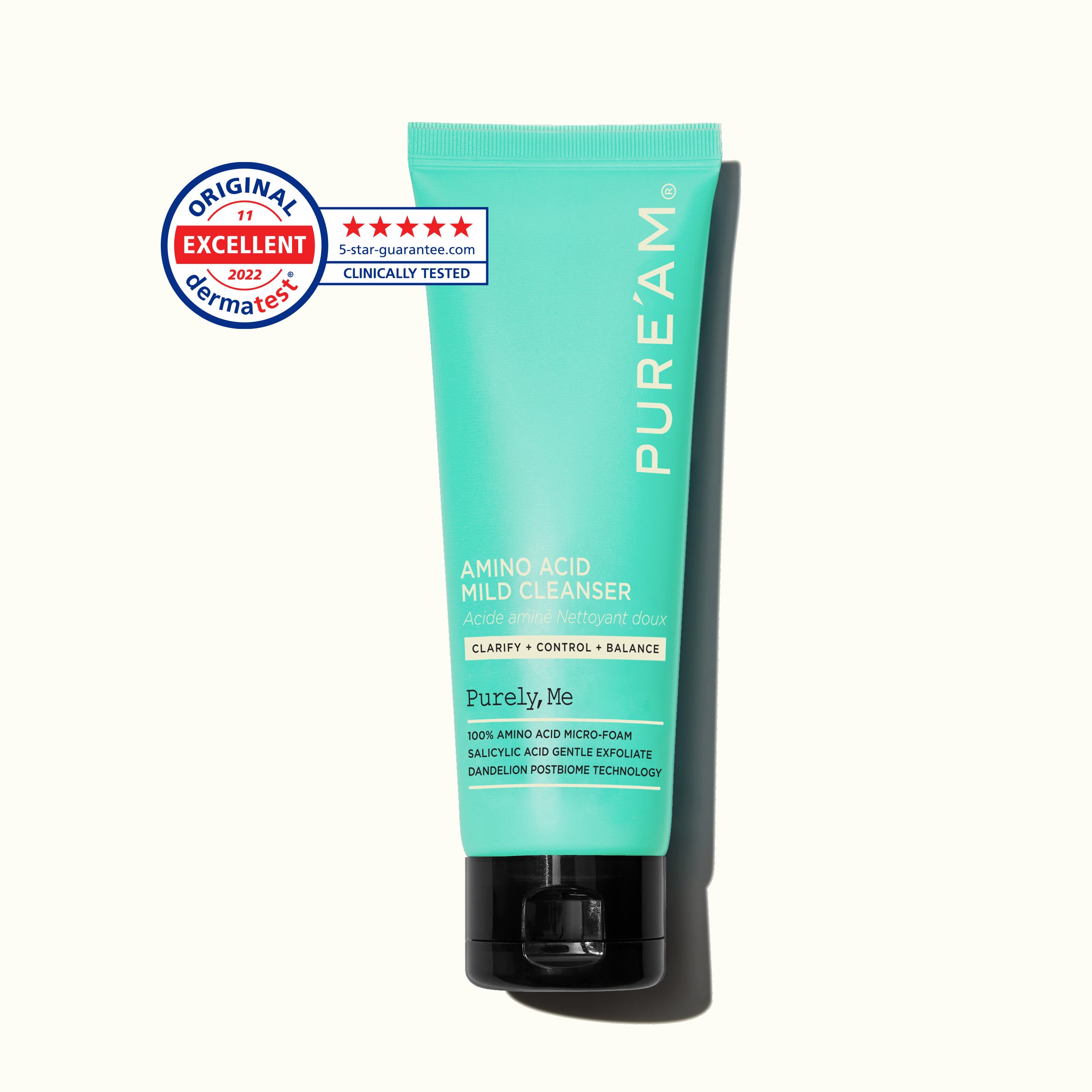
AMINO ACID MILD CLEANSER
23 USD
Shop now
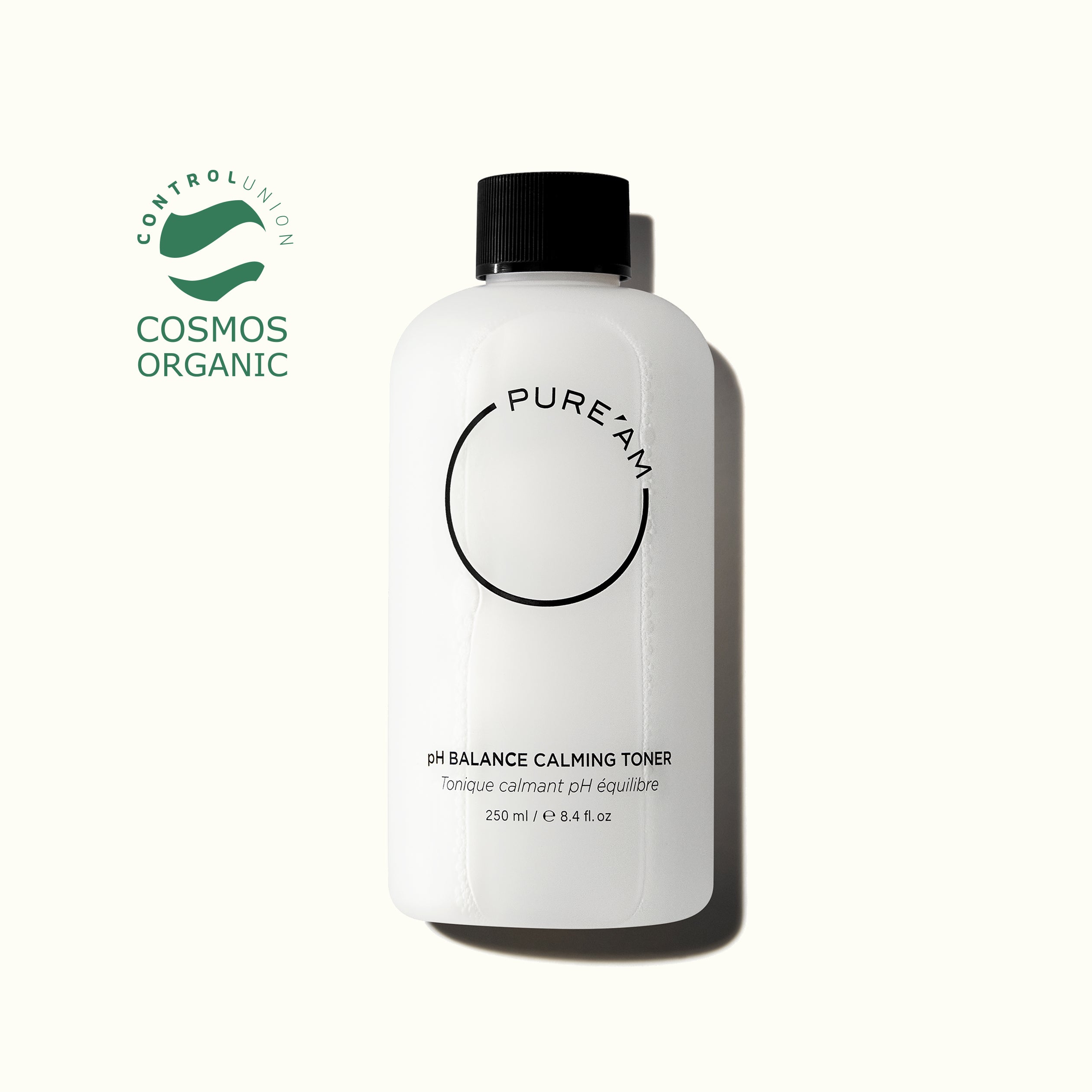
pH BALANCE CALMING TONER
29 USD
Shop now
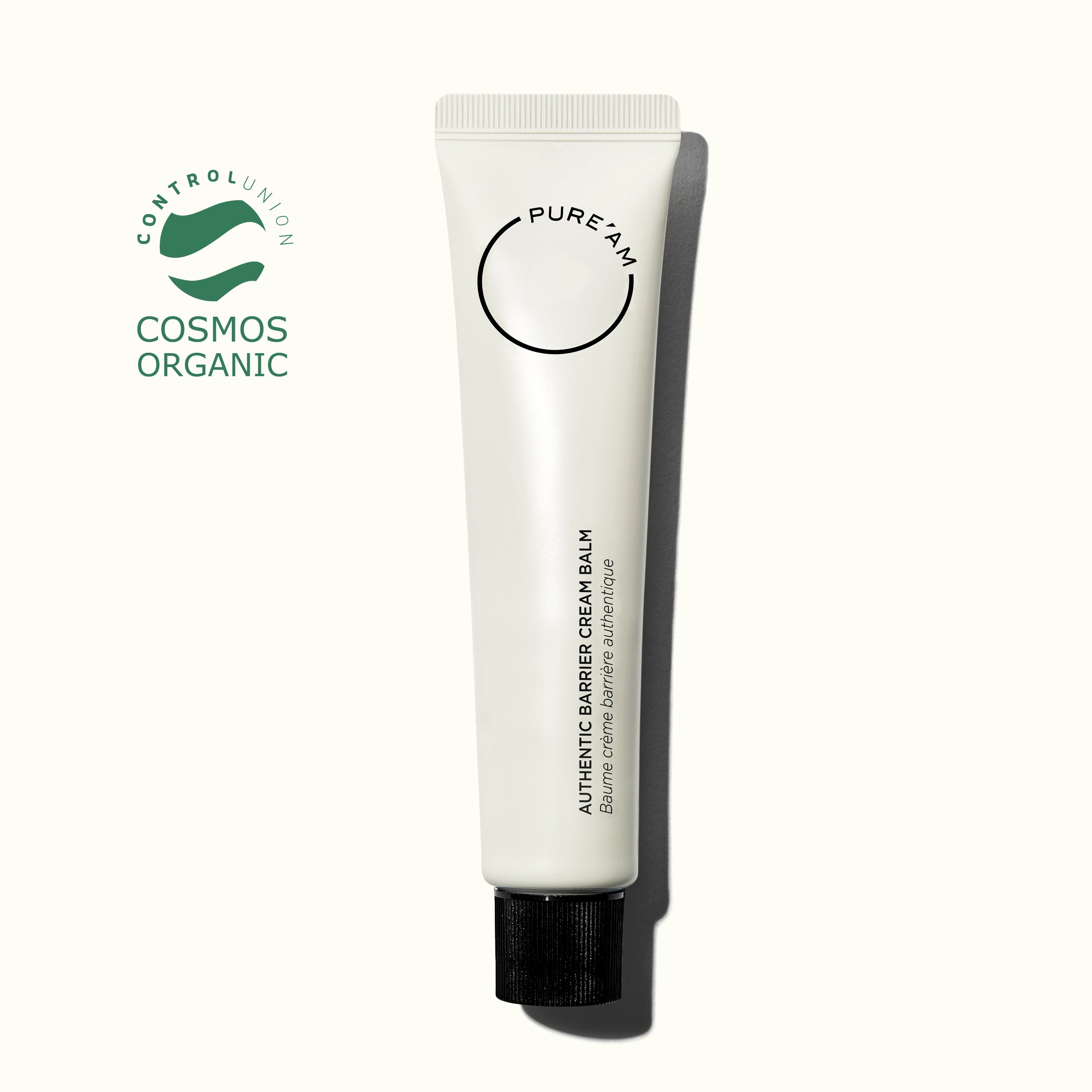
AUTHENTIC BARRIER CREAM BALM
37 USD
Shop now
Why the toner step isn't optional in a barrier routine
Most "organic alternative to CeraVe" comparisons skip straight from cleanser to cream and leave the toner out entirely. Skipping it leaves a real gap in the routine. A toner's real job in a barrier routine is resetting the skin's surface pH after a wash disrupts it, before a moisturizer locks whatever state the skin is in underneath it. If a rich barrier cream goes on top of skin that's still sitting at an elevated post-cleanse pH, the occlusive layer traps that imbalance rather than correcting it.
That's the logic behind treating cleanser, toner, and cream as one continuous barrier sequence rather than three separate purchases. PURE'AM's pH Balance Calming Toner is formulated to sit in this middle step, re-normalizing the skin's surface after cleansing so the barrier cream that follows is working with corrected skin, not compensating for it.
"Organic" doesn't automatically mean lower risk of irritation
The instinct to search for an "organic alternative" usually comes from wanting to avoid synthetic irritants. The research doesn't fully support that shortcut. Organic certification governs how an ingredient is farmed, not how it behaves on skin, and organic-certified essential oils carry the same irritating and allergenic compounds as conventional ones (ScanSkin AI). Dermatologist Joshua Zeichner, director of cosmetic and clinical research at Mount Sinai Hospital, has made the same point about natural skincare more broadly: "There's this idea that natural automatically means gentle, but poison ivy is natural, and you're not putting that on your skin" (Marie Claire).
Many certified-organic barrier creams lean on botanical fragrance, chamomile, lavender, or citrus-derived oils among them, to signal "natural." On intact skin that's often tolerated fine. On a barrier that's already compromised and more permeable than usual, those same fragrance compounds have a better chance of penetrating and triggering a reaction. If you're choosing an organic-leaning cream specifically because your barrier is damaged, checking the essential oil and fragrance load matters more than checking for a certification seal.
Comparing the two approaches
| Criteria | CeraVe routine | PURE'AM routine |
|---|---|---|
| Cleanser surfactant | Ceteareth-20 and related synthetic surfactants | Amino-acid-based surfactants |
| Toner step | Not part of the core CeraVe line | pH Balance Calming Toner resets post-wash pH |
| Cream occlusive/lipid base | Petrolatum, dimethicone, three ceramides | Encapsulated ceramide-focused barrier formula |
| Fragrance and essential oils | Fragrance-free formula | Formulated to keep fragrance load low |
| Routine structure | Cream can be used as a standalone step | Designed as a cleanse-tone-moisturize sequence |
This comparison is based on each brand's published ingredient list and stated formulation intent. This comparison sets each formula's published ingredients and stated design intent side by side. CeraVe's Moisturizing Cream remains a well-studied, complete product in its own right. The difference is structural: one is designed to work as a single step, the other is designed to work as three.
PURE'AM's Amino Acid Mild Cleanser (23 USD), pH Balance Calming Toner (29 USD), and Authentic Barrier Cream Balm (37 USD) are formulated as that sequence, with fragrance kept low across all three steps rather than concentrated into one "hero" product. Because South Korea's regulatory review of the brand's functional claims is still in progress, this routine is described here in terms of formulation logic, not clinical or regulatory claims.
For more on how cleanser chemistry and pH carry through to the next step in a routine, see how cleanser and serum pairing works by pH, and for the criteria behind picking a barrier cream on its own, see how to choose a barrier cream for dry, sensitive skin.
FAQ
Is swapping just the moisturizer enough to fix a damaged barrier?
Usually not on its own. The cleanser you use twice a day resets your skin's pH each time, and if that pH sits well above skin's naturally acidic range, the barrier spends part of every day recovering from that shift before the moisturizer's repair work can take effect (ScienceDirect / Journal of Investigative Dermatology).
Does an organic certification mean a product is automatically gentler?
No. Organic certification is a farming and sourcing standard, and organic-certified essential oils contain the same compounds that make conventional essential oils irritating to sensitive or compromised skin (ScanSkin AI).
Can I skip the toner step and just use a cleanser and cream?
You can, but it removes the step that resets your skin's pH after cleansing. Going straight from an alkaline-leaning wash to a rich cream means the cream is sealing in a surface that hasn't been corrected yet.
What ratio of ingredients actually matters for barrier repair?
Dermatology research points to a ceramide-cholesterol-fatty acid ratio near 3:1:1 as the target for restoring the skin's lipid matrix, not the presence or absence of any single ingredient (PMC).
Is a fragrance-free cream always safer than a botanical one for a damaged barrier?
Not always, but a damaged barrier is more permeable, so fragrance compounds and essential oils have more opportunity to penetrate and trigger irritation than they would on intact skin. Checking the fragrance and essential oil load matters more once the barrier is already compromised.