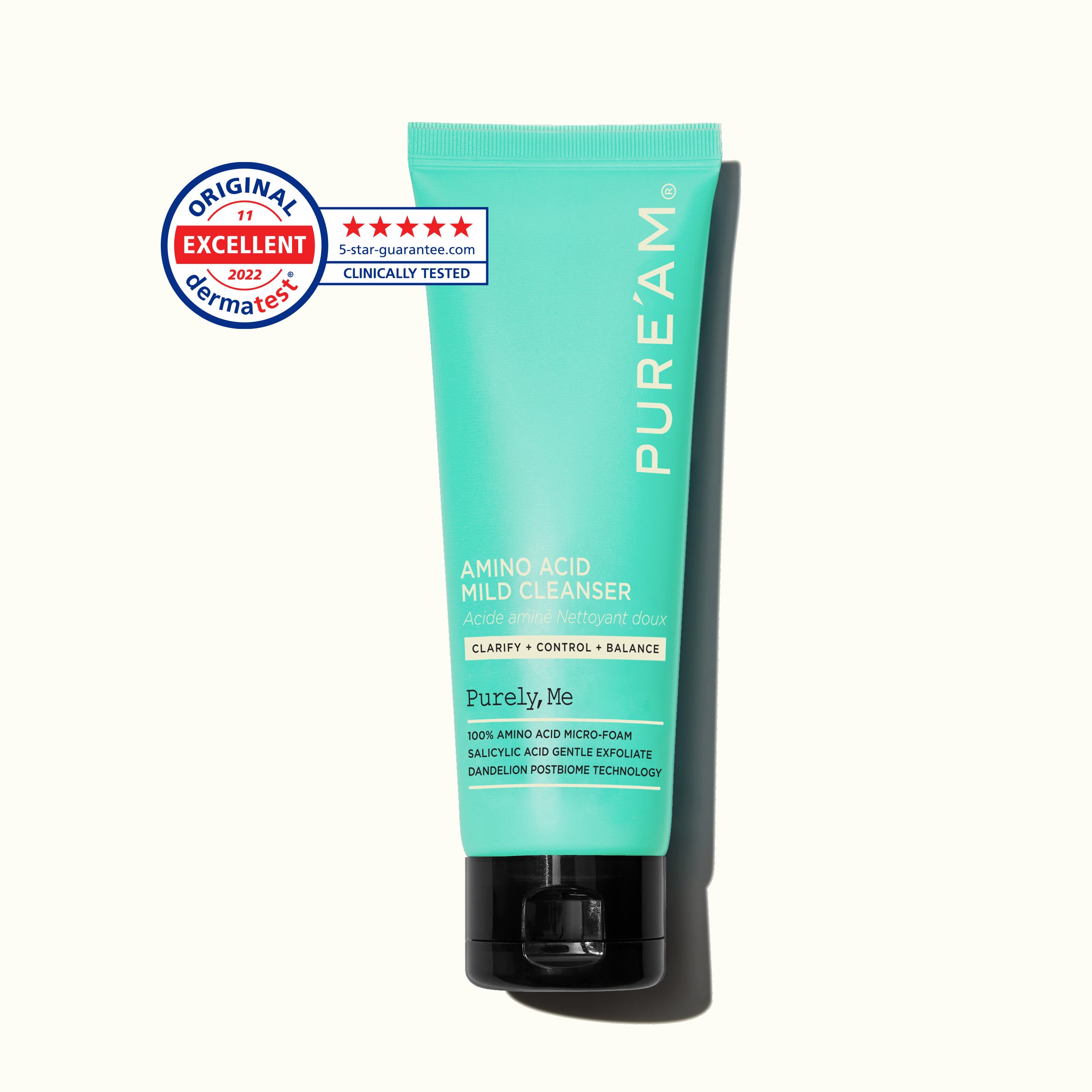
TL;DR: A pore-clearing cleanser doesn't have to leave sensitive skin tight or reactive. The surfactant class, the formula's pH, and how you physically wash your face matter more than any single "gentle" claim on the label. We built our Amino Acid Mild Cleanser around amino acid-derived surfactants and 0.2% salicylic acid instead of standard sulfates, and this guide walks through why that combination, plus a soft washing technique, is what actually keeps daily cleansing comfortable.
Removing excess oil and pore buildup every day is a reasonable goal for most skin, including skin that reddens or stings easily. The part that goes wrong is usually not the goal itself. It's the assumption that stronger foam or a tighter finish means a more thorough wash. We look at four things together before calling a cleanser sensitive-skin-friendly: what it removes, which surfactants it uses, how much friction the routine involves, and how the skin feels ten minutes later, not just right after rinsing.
Why Does Skin Feel Tight After Cleansing?
A cleanser's job is to help water lift away sebum, sunscreen, makeup, and dust that don't rinse off with water alone. Surfactants do that lifting, but the same molecules that pull oil off skin can also strip lipids the skin barrier needs. How much stripping happens depends on the surfactant class, its concentration, the formula's pH, and how long it sits on skin.
Dermatology research on cleanser pH found that skin-cleansing systems built mainly on anionic surfactants caused more dryness and irritation at skin's natural pH than the same systems formulated at a neutral pH, and that matching a product's pH to skin's pH is not on its own a guarantee of mildness. Role of pH in skin cleansing The surfactant-skin interaction, not the pH number alone, decides how a formula behaves.
The American Academy of Dermatology's guidance points in the same direction from a technique angle: use a gentle, non-abrasive, alcohol-free cleanser, apply it with fingertips instead of a washcloth or sponge, skip scrubbing, and rinse with lukewarm water before patting dry. Face washing 101 So a tight, uncomfortable finish is rarely down to one variable. Before blaming a cleanser, it's worth checking these five habits in order.
| Habit to check | What makes tightness worse | What to try first |
|---|---|---|
| Water temperature | Hot water, long rinse times | Switch to lukewarm water |
| Friction | Brushes, rough towels, repeated scrubbing | Use fingertips only |
| Amount and contact time | A large amount massaged in for a long time | A dime-size amount, washed briefly |
| Washing frequency | Re-washing every time skin feels off | Set a baseline of twice daily, plus after heavy sweat |
| Surfactant and pH | Repeating the same routine despite recurring discomfort | Reassess the cleansing system itself |
Is a "Squeaky Clean" Finish the Same as Clean Skin?
The tight, almost creaking feeling some people chase after washing measures how sharply surface oil dropped and how noticeable that dryness becomes as water evaporates, nothing more. A soft finish after cleansing can follow just as thorough a wash. Effectiveness and sensation are separate variables, and conflating them leads people to pick harsher formulas than they need.
On days with sunscreen or makeup, it's worth checking for actual residue rather than judging by feel alone. On a light morning wash with little to remove, comfort is the more useful signal. Comparing cleansers side by side works better when you track how skin feels at ten and twenty minutes post-wash, not only in the seconds right after rinsing: does tightness show up before moisturizer goes on, is there redness or stinging, is dryness worse in one area of the face.
What Makes an Amino Acid Cleanser Different?
An amino acid cleanser uses surfactants built on amino acid-derived structures instead of relying mainly on sulfates. How gentle or effective the finished product turns out to be comes down to the whole formula: the surfactant blend, concentration, pH, humectants, exfoliating actives, fragrance, and how much you use and rinse.
Surfactant classes also don't affect the skin barrier through one single mechanism. A widely cited review on cleanser technology found that mildness enhancers, including lipids, occlusives, and humectants, work by minimizing the damaging interaction between surfactants and the skin's own proteins and lipids, then help replace lipids lost during washing. Cleansing without compromise That means an amino acid cleanser still needs to be evaluated as a whole formula, not judged on the front-label word "amino acid" alone.
A 2025 open-label study published in Cureus tested a separate soap-free lotion built on sodium cocoyl apple amino acids, one of the surfactant types in this category, in 27 adults with dry, oily, sensitive, combination, and normal skin over 30 days. The formula reduced measured skin-surface impurities while barrier and hydration measures held steady across the study period. Patel et al., Cureus That trial evaluated a different product, so it supports the surfactant class in general rather than any specific cleanser, ours included.
Inside the Amino Acid Mild Cleanser Formula
Our Amino Acid Mild Cleanser is a 120ml daily pore cleanser, and instead of leaning on one hero ingredient we combined four design choices in the same formula.
AMINO ACID MILD CLEANSER
23 USD
Shop now
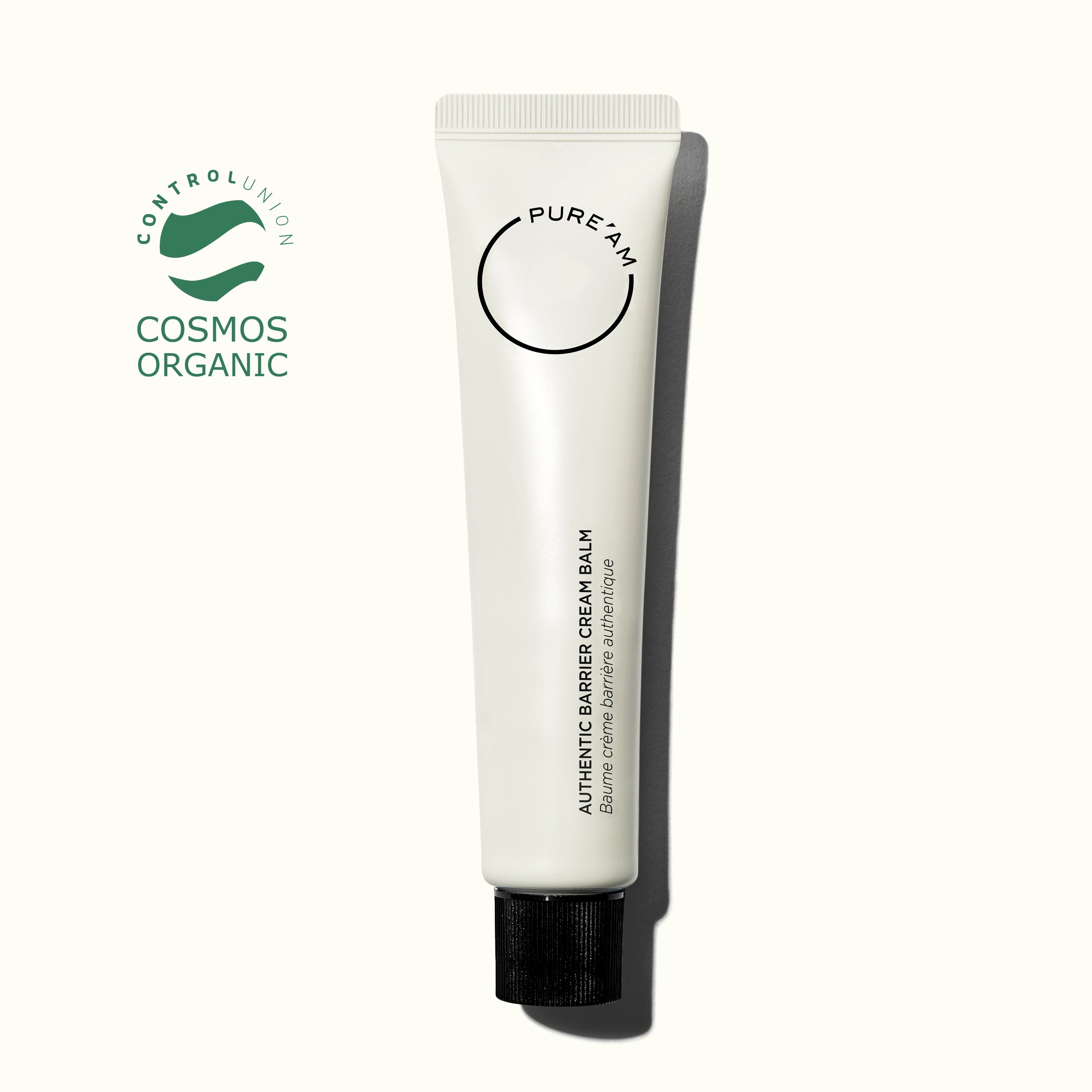
AUTHENTIC BARRIER CREAM BALM
37 USD
Shop now
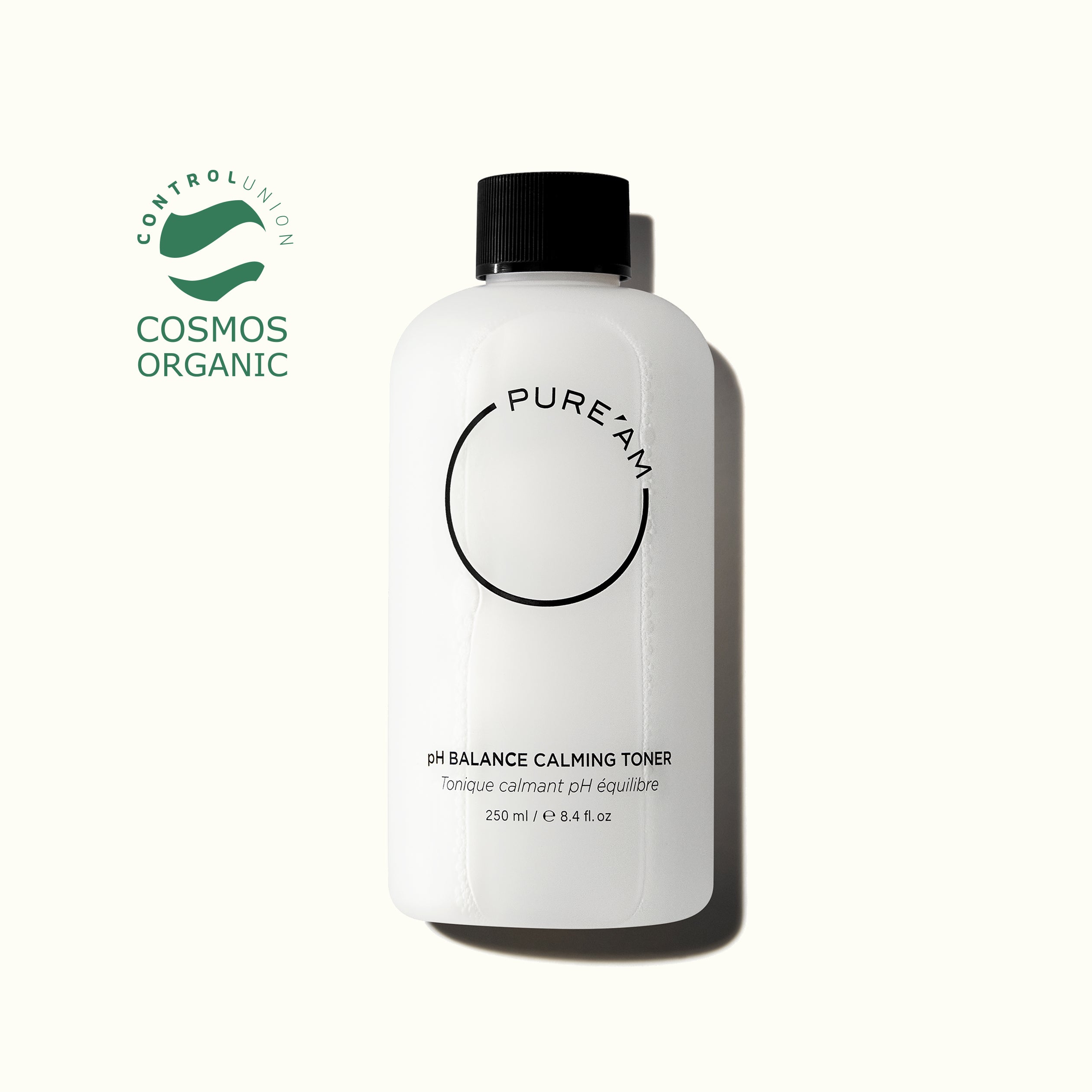
pH BALANCE CALMING TONER
29 USD
Shop now
| Design element | What's in the formula | What it does during a wash |
|---|---|---|
| Salicylic acid | 0.2% | Targets daily buildup in pores for skin dealing with excess oil |
| Surfactant system | Amino acid-derived surfactants sourced from green apple and coconut | Cleanses without depending on standard sulfate surfactants |
| Micro-foaming texture | Converts to a fine, dense foam on contact with water | Spreads across skin's contours without heavy scrubbing |
| Postbiome component | A dandelion-derived postbiotic ingredient | Included for comfort on skin exposed to daily airborne particulates |
The full ingredient list names four amino acid-derived cleansing agents: Sodium Cocoyl Glycinate, Sodium Cocoyl Glutamate, Sodium Methyl Cocoyl Taurate, and Sodium Cocoyl Apple Amino Acids. "Amino acid-based" describes the cleansing system, not the entire formula. Glycerin, fermented ingredients, plant-derived extracts, and the salicylic acid itself sit alongside those surfactants in the full ingredient list. PURE'AM — Amino Acid Mild Cleanser
Salicylic acid at any concentration is a functional active, not an inert filler, and the AAD notes that ingredients like salicylic acid can help reduce oiliness but may be too harsh for some skin, with a recommendation to scale back frequency if irritation shows up. How to control oily skin That's a reasonable starting caution for anyone layering other exfoliating actives into the same routine.
How Does Micro-Foaming Change the Wash Itself?
The formula is designed to turn into a fine, dense foam on contact with water rather than staying a gel or cream. That density helps carry cleansing agents evenly across skin's texture and into the areas where oil and debris tend to sit, without requiring heavy pressure from your hands. A denser foam changes how evenly a cleanser spreads across the skin's surface, a spreading effect, not a penetration one.
The practical takeaway is in the technique: build a lather in wet hands first, apply it with fingertips, and move in short, soft strokes rather than a long massage. A denser foam is a reason to use less pressure, not a reason to wash longer.
Matching the Cleanser to What Your Skin Is Telling You
Skin That Tightens Easily After Washing
Before switching cleansers, cut back on hot water, long massage times, and repeat washing. The same formula can feel different depending on how it's used. Apply a small amount in wet hands, build a lather, massage face and neck gently, then rinse thoroughly with lukewarm water. Pat, don't rub, to dry, and move into a moisturizing step before skin fully dries out if it tends to feel tight quickly.
Skin Dealing With Oil and Congestion
Foam volume and afternoon oil levels move independently of each other, and a stripped-feeling finish right after washing reflects the wash itself, not how skin will look hours later. Consider the cleanser's salicylic acid alongside anything else in your routine, and avoid introducing several new exfoliating products on the same day so you can tell which change caused which reaction. Track comfort after rinsing, oil later in the day, and dryness in specific areas separately instead of forming one overall impression.
Skin That Needs Cleansing After a Workout
The AAD recommends washing as soon as reasonably possible after heavy sweating. Face washing 101 Sweat, sunscreen, dust, and friction from hats or helmets can all sit on skin after exercise, but that's a reason for one thorough, gentle wash, not several aggressive ones before and after a workout. Stick to fingertips and lukewarm water, and if tightness keeps showing up, adjust how much you're using and how many times you're washing across the day rather than assuming the product is wrong.
Four Things to Check Before Choosing an Amino Acid Cleanser
- The actual surfactant names. Look past "amino acid cleanser" on the front label and check the ingredient list for the specific surfactants used.
- What else is in the formula. Salicylic acid or other exfoliating ingredients can change how often you should use the product.
- The stated technique. Check whether the brand specifies an amount, foaming method, and massage-and-rinse steps, since vague instructions make results harder to predict.
- How your own skin responds after rinsing. Watch for tightness, redness, or stinging, and notice whether you reach for moisturizer immediately.
Add one more habit on top of these four: change one product at a time. Swapping cleanser, toner, and cream on the same day makes it difficult to trace which change caused which reaction. Leave the rest of your current routine in place and start with the cleanser alone.
Where Cleansing Fits in a Barrier-First Routine
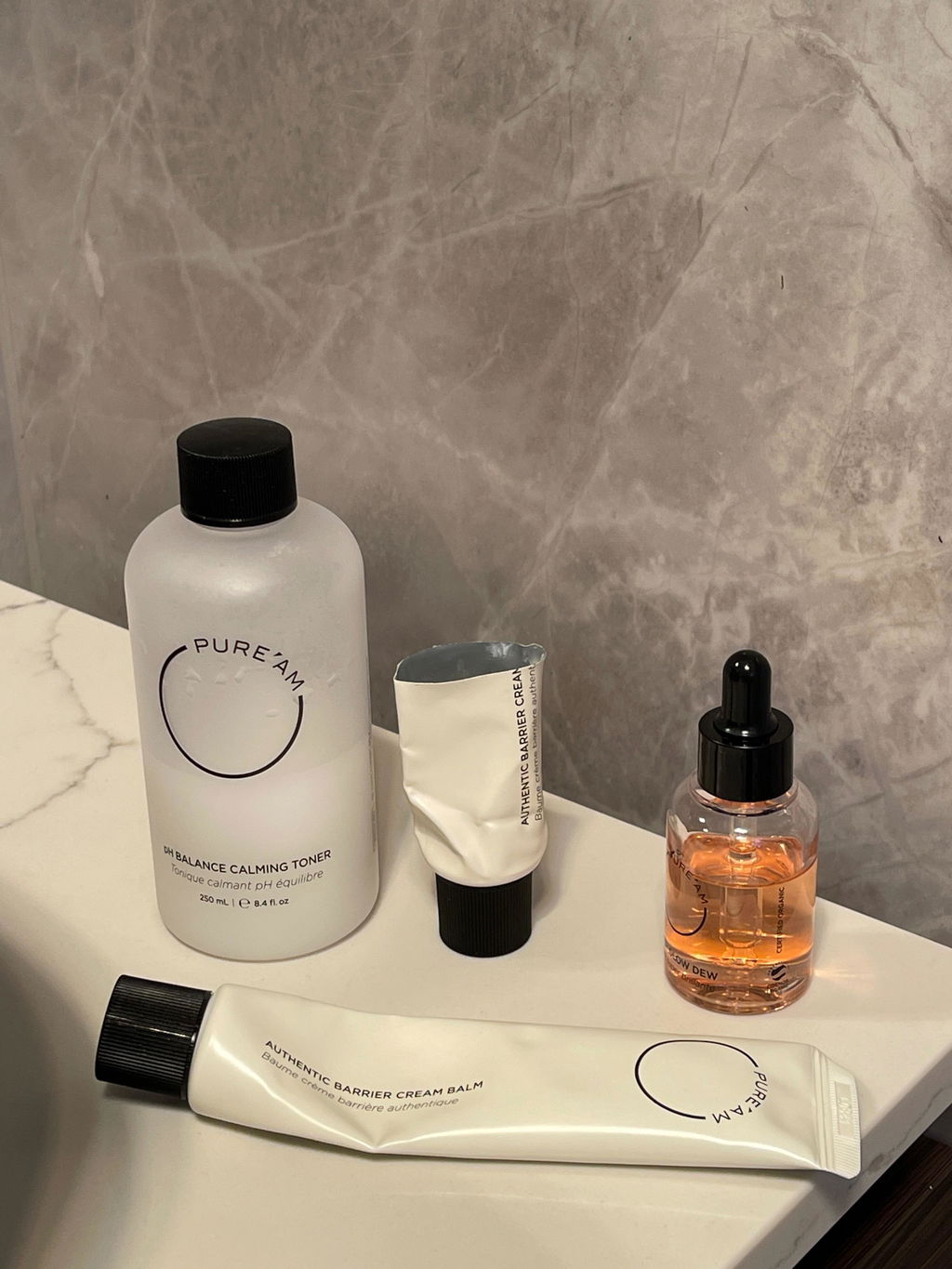
The Amino Acid Mild Cleanser is the first step, not the whole routine. If skin feels comfortable after rinsing, you can move straight to a barrier cream like our Authentic Barrier Cream Balm. On days when skin tightens faster, a toner step before the cream can help bridge that gap.
You don't need every product every day. As we cover in our guide to a pH-first skincare routine, a cleanser and cream as the fixed anchors, with toner and oil added based on how skin feels that day, is enough for most routines. The goal of cleansing isn't to add steps; it's to leave skin ready for whatever comes next.
FAQ
Does tightness after washing always mean the cleanser is too harsh?
Not necessarily. Hot water, long wash times, heavy amounts, repeat washing, and rough friction can all cause the same tightness a harsh surfactant would. Change one habit at a time before deciding the formula itself is the problem.
Can anyone with sensitive skin use an amino acid cleanser?
There's no single answer that fits everyone. The surfactant class is one part of a finished formula that also includes humectants, plant-derived ingredients, and any exfoliating actives. Check the full ingredient list, the usage instructions, and how your own skin responds rather than relying on the front-label claim alone.
Does the Amino Acid Mild Cleanser contain salicylic acid?
Yes, the formula is built around 0.2% salicylic acid. If you're already using other exfoliating products, introduce this cleanser on its own first and watch how skin responds before adding anything else new.
Should this cleanser be used morning and night?
Washing frequency depends on your skin and daily activity. The AAD's general guidance is twice daily plus after heavy sweating. If morning tightness keeps recurring, check water temperature, product amount, and whether a morning wash is even necessary for your skin that day.
What should I apply right after cleansing?
If skin feels comfortable, move straight into a moisturizing cream. On days when skin tightens quickly after rinsing, a lightweight toner before the cream can help close that gap. The right order depends on how your skin feels that day, not a fixed number of steps.
The Best Wash Is the One You Don't Notice Later
Solving post-wash tightness isn't about finding the strongest cleanser or swinging to the mildest-feeling option available. It's about matching the cleansing power your skin actually needs to a routine you can repeat every day without discomfort.
If you're trying the Amino Acid Mild Cleanser for the first time, build a full lather in wet hands, then wash with fingertips and lukewarm water for a short, even pass rather than a long massage. Pay less attention to how "clean" skin feels in the moment and more to whether it moves comfortably into the next step of your routine, without tightness getting in the way.
A cleanser that does its job well doesn't ask for attention. It just clears the way for whatever comes next in your routine.