Bad Air Quality and Sensitive Skin: Cleanse Smarter, Not Stronger
TL;DR: On a high-pollution day, sensitive skin does not need a harsher cleanser. Fine particulate matter does add real oxidative stress to skin cells, but stripping away barrier lipids with a stronger wash tends to make skin more reactive, not less. The safer approach keeps cleansing at once or twice a day with a mild, skin-pH surfactant, and lets the toner and moisturizer that follow make up for any tightness.
When the air quality index climbs, the instinct is to wash harder. That instinct only gets half the picture. Scrubbing off more grime matters less than whether the wash itself adds strain to skin that pollution has already stressed. This piece covers what the research says about particulate matter and skin, what over-cleansing actually costs the barrier, and how to tell a cleanser that's doing its job from one that's doing too much.
What Fine Particulate Matter Actually Does to Skin
Concern about smog days isn't just aesthetic. A study in Archives of Toxicology applied PM2.5 to human HaCaT keratinocytes for 24 hours and to mouse skin for seven days to map the biological mechanism behind particulate-driven skin damage. The exposure generated reactive oxygen species that led to DNA damage, lipid peroxidation, and protein carbonylation, and it went on to trigger endoplasmic reticulum stress, mitochondrial damage, and cell apoptosis in both the cultured cells and the animal skin.
Particulate matter doesn't only sit on the surface. A review published on PMC describes two separate routes by which air pollutants reach skin: direct penetration into keratinocytes, and a secondary route where toxic effects that start in the lungs echo back through the body. Pollution exposure is not a single-layer problem confined to what sits on your face.
There's a barrier-specific angle too. A review on PM2.5 and skin aging frames particulate exposure as a growing contributor to skin damage precisely because skin is the body's first line of defense against the outside environment, and that direct exposure drives oxidative stress, inflammation, premature aging, and impaired barrier function. Pollution itself is already a load on the barrier. Adding a harsher wash on top of that load is not automatically the safer move.
Why a Harsher Wash Isn't the Fix
Washing more, or washing harder, feels like it should remove more contamination. The barrier tells a different story. Klarity Health frames the goal simply: cleanse enough to remove buildup, but gently enough to protect the barrier. The general recommendation there is to limit cleansing to once or twice a day with a mild formula.
The type of surfactant matters as much as the frequency. Topical Skin explains that once the barrier is compromised, that breakdown shows up as tightness, flaking, redness, stinging with product use, and higher overall sensitivity. Many everyday cleansers rely on surfactants strong enough to dissolve the fats and proteins that hold the barrier together, which raises skin's surface pH and speeds up water loss.
Frequency compounds the same problem. According to the Yalmeh skincare blog, dry, sensitive, or already-compromised skin tends to do better with a mild cleanser used once or twice daily, since repeated washing strips the lipid structures that protect the barrier. The instinct to cleanse harder on a smoggy day can quietly work against you: instead of a barrier better equipped to handle pollution, you end up with one that's more vulnerable to it.
How to Judge a Cleanser, Not by How Squeaky Clean It Feels
Two checks are more useful than the squeaky-clean test.
Surfactant type first. Alfa Chemistry's overview of amino acid surfactants notes that most amino acid surfactants perform best in a slightly acidic to neutral range, close to the skin's own pH, while soap-based cleansers typically operate at a much higher alkaline pH that can disrupt the barrier.
| Surfactant class | Typical working pH | Effect on barrier lipids |
|---|---|---|
| Amino acid-based (e.g., sodium cocoyl glutamate) | ~5.5-6.5 | Interacts gently with skin proteins; lower lipid disruption |
| Traditional sulfate/soap-based | ~8.0-10.0 | Can dissolve lipids and proteins the barrier depends on |
Skin's own signal second. How your skin feels a few minutes after washing tells you more than the in-shower feel. Tightness, stinging, or oil rebounding unusually fast within minutes are signs the cleanser asked more of your skin than the day's grime required.
A Simple Rule for High-Pollution Days
Consistency matters more than switching cleansers on smoggy days. A few checkpoints:
- Keep cleansing to once or twice a day; add a step only after unusually long outdoor exposure, not as a default.
- Aim for "clean enough to remove buildup and excess oil," not "squeaky."
- Check the surfactant list for a formula closer to skin's own pH rather than an alkaline soap base.
- If tightness shows up after washing, let the toner and moisturizer that follow do the compensating, rather than reaching for a stronger wash next time.
How PURE'AM Designed Its Cleanser Around This Balance
PURE'AM built the Amino Acid Mild Cleanser around the same tradeoff described above: removing buildup without adding to barrier strain. In place of standard sulfate surfactants, the formula uses cleansing agents derived from green apple and coconut that PURE'AM describes as 100% amino acid-based, paired with a micro-foaming technology intended to turn into a fine, dense lather so the foam can reach into pores and skin texture rather than sitting on the surface.
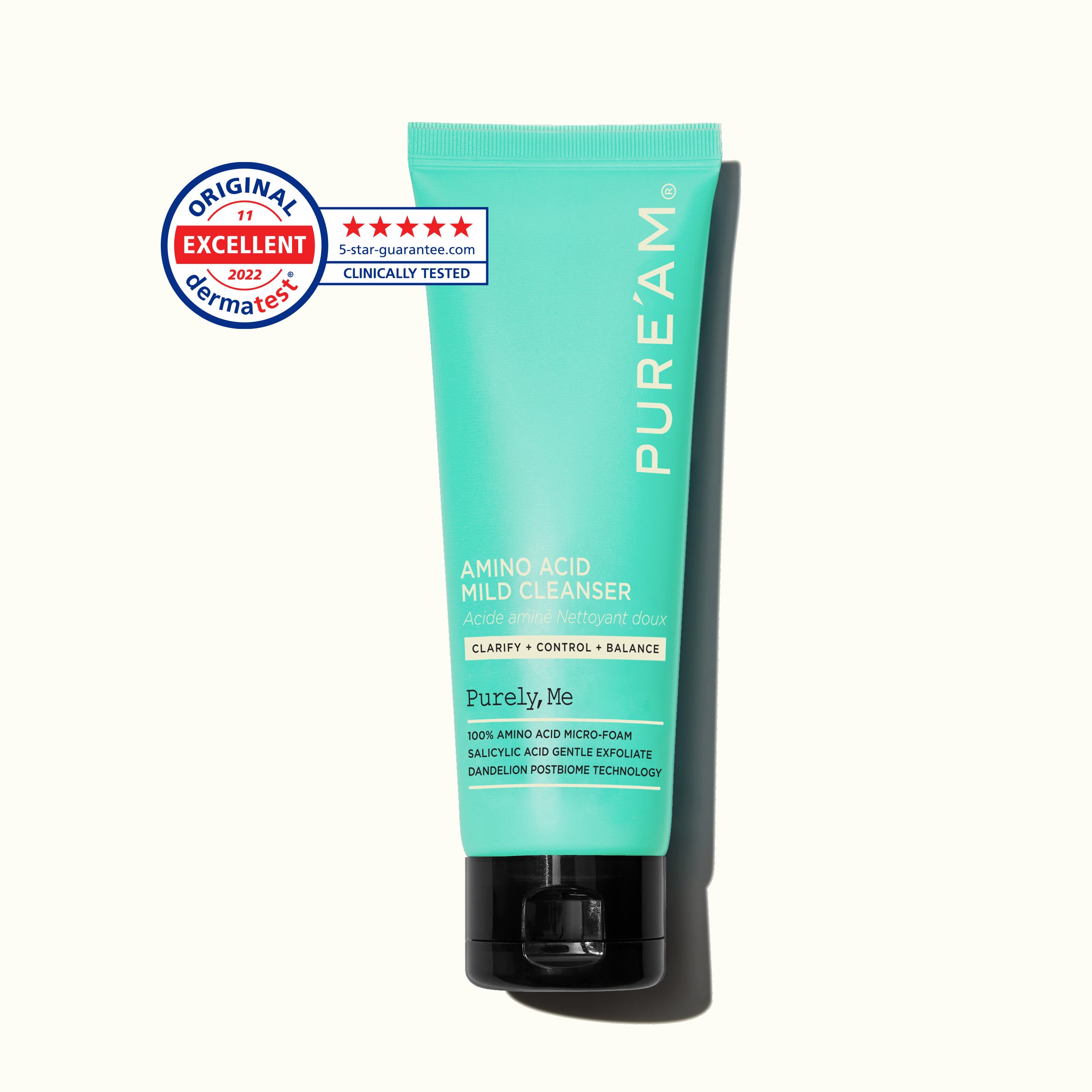
The formula also includes 0.2% salicylic acid, within limits set by Korean Ministry of Food and Drug Safety (MFDS) cosmetic standards, aimed at gently managing pore buildup and excess sebum, along with a postbiotic complex derived from dandelion intended to keep daily cleansing comfortable on days with heavier outdoor exposure. PURE'AM states the cleanser has received a Korean MFDS functional cosmetics certification related to acne-prone skin relief and a German Dermatest Excellent 5-Star rating; these are the brand's own certification and rating claims, confirmed within the scope and conditions of their respective tests rather than as a general guarantee. Full ingredient details are on the Amino Acid Mild Cleanser product page ($23).
AMINO ACID MILD CLEANSER
23 USD
Shop now
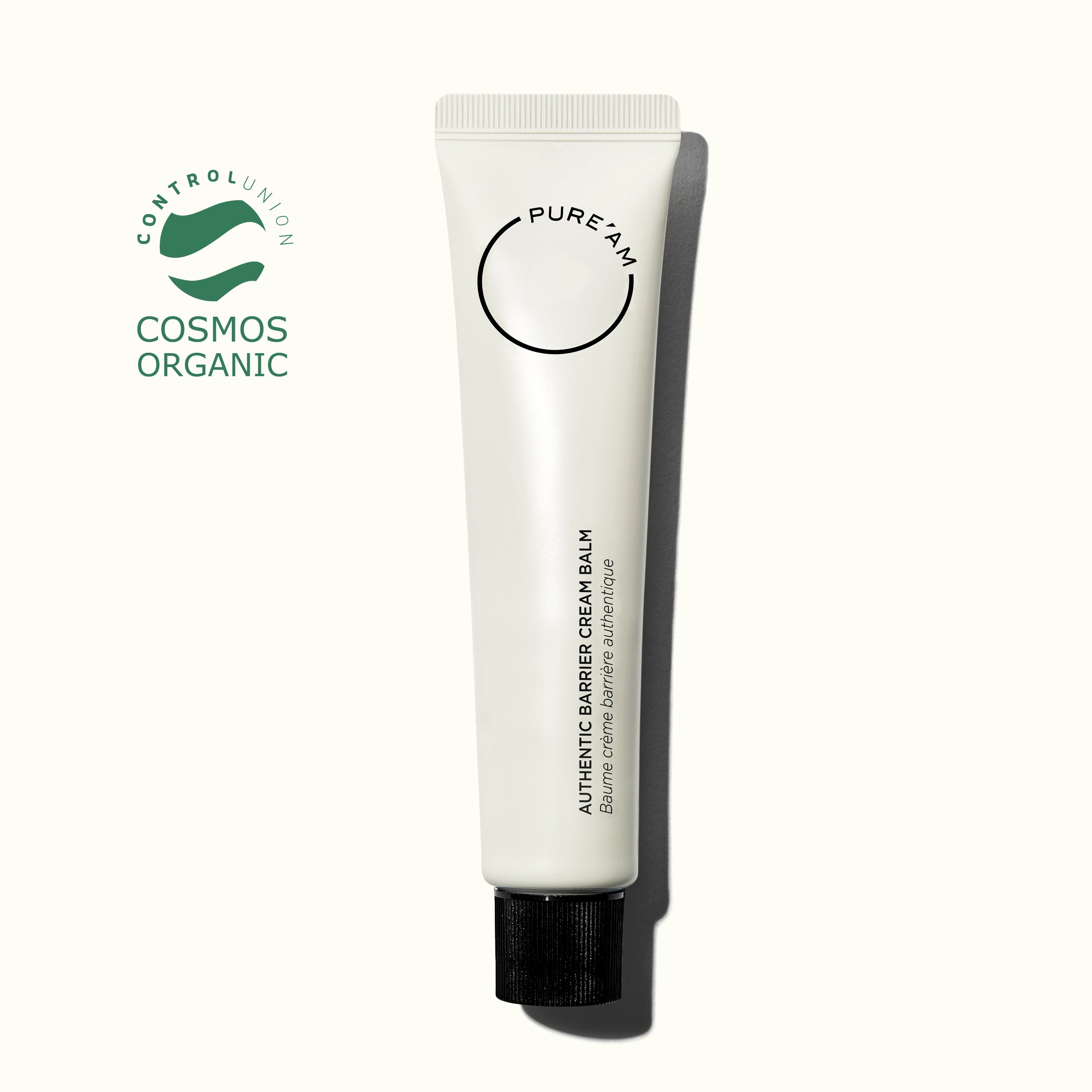
AUTHENTIC BARRIER CREAM BALM
37 USD
Shop now
None of this cancels out the oxidative stress that particulate matter itself causes at a cellular level. The point isn't that a cleanser neutralizes pollution exposure. It's that the cleansing step is one part of a larger balance between removing what's landed on skin and protecting the structure that's already under load from the air around it.
FAQ
Do I need to double cleanse on high-pollution days?
Not necessarily. If you wore heavy sunscreen or makeup for hours, an oil cleanser followed by a water-based cleanser can help. But according to a dermatologist-reviewed guide on double cleansing, lighter product days, or dry and sensitive skin in general, often do fine with a single mild cleanse. Poor air quality on its own doesn't automatically require a second step.
If my skin feels tight after washing, does that mean the cleanser isn't strong enough?
It usually means the opposite. Tightness is typically a sign that barrier lipids were removed beyond what the day's buildup required, not that more cleansing power is needed. The more useful fix is checking the surfactant type in your current cleanser and reinforcing the moisture step that follows, rather than switching to something stronger.
Should I change cleansers more often when air quality is bad?
No. Klarity Health recommends keeping cleansing frequency at once or twice a day with a mild formula as a general rule. Increasing wash frequency or strength on smoggy days tends to work against barrier stability rather than for it; staying consistent with a mild formula is the more protective habit.
Can an amino acid cleanser remove sunscreen and makeup?
It depends on what you're wearing. Amino acid cleansers can generally handle daily sunscreen and light makeup on their own. Waterproof formulas or heavy, long-wear makeup are more likely to need an oil-based first step before a mild cleanser finishes the job.