TL;DR: Post-cleanse tightness usually comes from the surfactant class in your cleanser, not from whether the label says "pH-balanced." Soap-based and sulfate-heavy formulas sit at pH 9-10 and strip lipids your barrier needs, while amino acid surfactants clean at a pH close to skin's own 4.5-5.5 range without stripping as much. Check the ingredient list for names ending in "-glycinate" or "-glutamate," and pair the right cleanser with a toner and cream step within minutes of rinsing.
A cleanser's pH number and its surfactant type are two separate variables, and post-cleanse tightness usually traces to the surfactant. A product can carry a low, "pH-balanced" claim on the bottle and still rely on a surfactant that behaves differently from your skin's own chemistry once it's rinsed.
We hear a version of this question a lot: skin still feels tight ten minutes after washing, even with a cleanser marketed as gentle. The label said "pH-balanced." The bottle said "for sensitive skin." The tightness showed up anyway, because the surfactant underneath the label is what actually predicts it.
The Acid Mantle: Skin's Natural pH Range
Healthy facial skin sits at a slightly acidic pH, generally cited between 4.5 and 5.5, a range known as the acid mantle, according to the School of Aromatic Studies' overview of acid mantle research. This thin acidic film supports the enzymes that build your barrier's lipid matrix and keeps bacteria in check, and a review in the Indian Journal of Dermatology, Venereology and Leprology notes that a rise in surface pH is linked to impaired barrier function, higher transepidermal water loss, and greater sensitivity to surfactant irritation.
Traditional soap runs alkaline, typically pH 9 to 10, because of the saponification process that produces it. A patent filing on amino-acid cleansing foam describes plain soap as "strongly alkaline showing a pH value of about 9 to 10," and notes that when used on dry skin it can leave the skin dehydrated or rough, a problem the amino-acid cleansing foam patent was specifically designed to correct.
A cleanser can be formulated to a low pH and still use a soap-based or sulfate-heavy surfactant underneath, which pulls skin back toward alkaline the moment it touches water. Reading the surfactant name on the ingredient list, rather than the pH claim on the front of the bottle, is what predicts whether your face will feel tight afterward.
Two Surfactant Families, Two Different Outcomes
Nearly every cleanser's cleaning power comes from its surfactant, the molecule that lets water and oil mix so dirt rinses away. Two broad families dominate the sensitive-skin conversation.
Soap-based and sulfate surfactants such as sodium lauryl sulfate or sodium laureth sulfate clean aggressively and foam well, but they work at an alkaline pH and can pull cholesterol and ceramides out of the stratum corneum along with the dirt. According to Alfa Chemistry's overview of surfactant chemistry, this pH mismatch runs opposite to amino acid surfactants, which perform best in a slightly acidic to neutral range that lines up with skin's own pH.
Amino acid surfactants, names ending in "-glycinate" such as sodium cocoyl glycinate, or "-glutamate" such as sodium lauroyl glutamate, are built from amino acids rather than petrochemical feedstocks. The same Alfa Chemistry analysis describes glutamate surfactants as "non-delipidants," meaning they lift away surface debris without stripping the cholesterol and ceramides that hold the barrier together. A lab breakdown of acid mantle mechanics from Creative Touch adds a concrete figure: soap-based cleansers above pH 8 can raise stratum corneum pH by 1.5 to 2 units for up to four hours after a single wash, and for anyone cleansing twice a day, the acid mantle never gets the chance to fully reset between washes.
A 30-day open-label study of 27 adults using a soap-free cleansing lotion built on sodium cocoyl apple amino acids found statistically significant improvements in hydration, barrier function, and impurity removal, with no adverse events reported, according to the trial published on NCBI PMC. The design goal is a clean that leaves the lipid matrix mostly intact while still removing what needs to go.
Both Checks Have to Pass
A cleanser earns a "gentle" label honestly only when it passes both of these:
- The finished pH sits in the slightly acidic range, generally 4.5 to 5.5.
- The surfactant itself is amino acid-based or amphoteric (glycinates, glutamates, or a betaine like cocamidopropyl betaine), rather than soap-based or a high-concentration sulfate.
A product that only satisfies one of these can still leave skin feeling tight. A low-pH formula built on a harsh surfactant, or a mild surfactant in a poorly buffered base, both fall short of what "gentle" is supposed to mean.
Completing the Routine After Cleansing
Choosing the right surfactant solves half the problem. Skin's surface pH stays in flux for a window after any wash, even a gentle one, and what happens in the next few minutes determines whether tightness lingers or resolves.
At PURE'AM, we think about this as a three-step sequence rather than a single product decision.
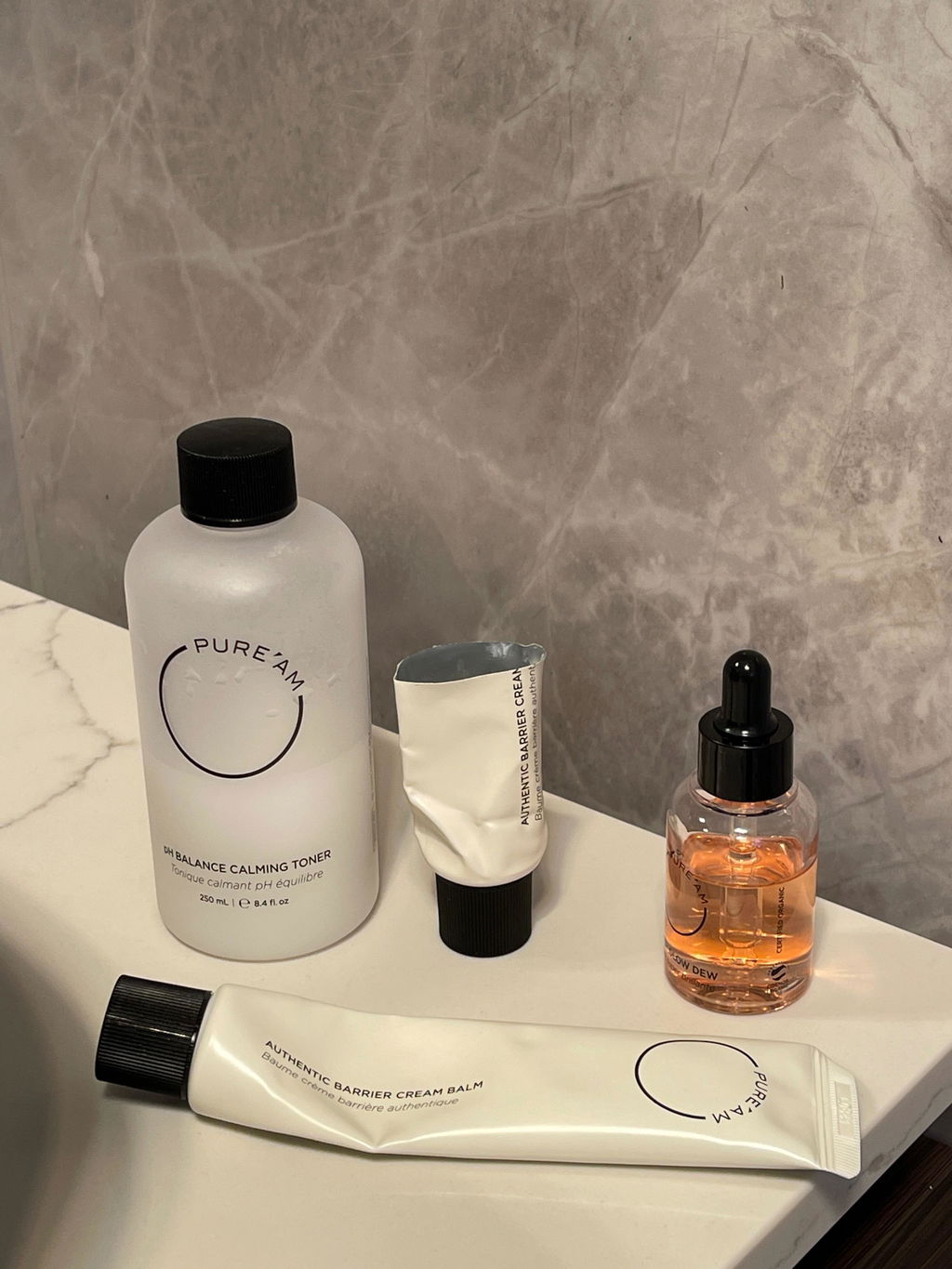
Step 1 is cleansing with an amino acid formula. Our Amino Acid Mild Cleanser is built around amino acid surfactants for this reason, aiming to lift away debris while leaving the barrier's own lipids largely undisturbed.
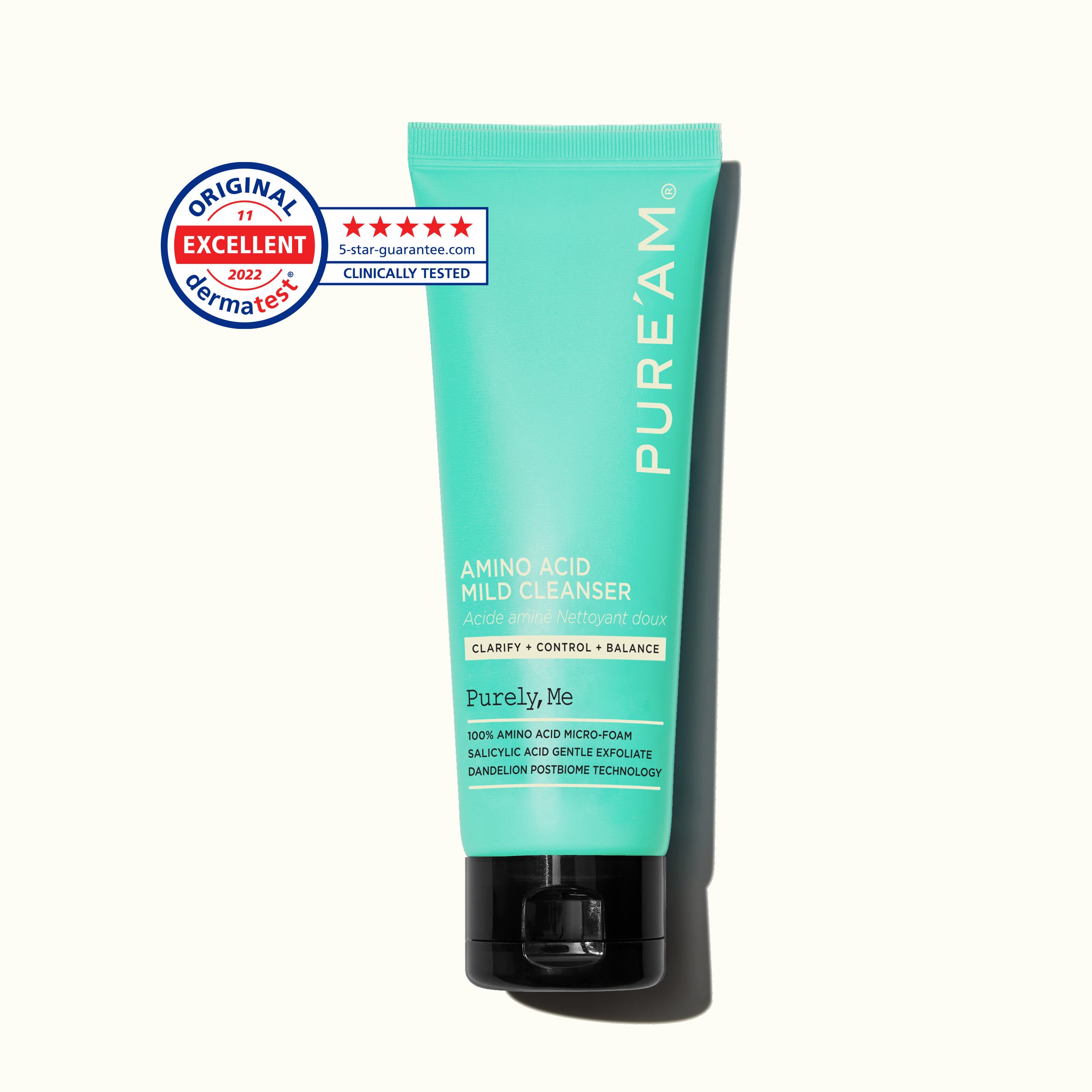
Step 2 is rebalancing pH with a toner immediately after. The window right after rinsing is when skin is most receptive to a pH correction, a connection we've covered in more depth in Does Your Cleanser's pH Affect How Well Your Serum Works?. Our pH Balance Calming Toner is formulated to help restore that slightly acidic environment and deliver hydration back into skin before it sits at an elevated pH for long.
Step 3 is sealing with a lipid-replenishing cream. Hydration without a lipid layer on top evaporates. Our Authentic Barrier Cream Balm is designed for this closing step, to help hold onto the moisture the toner just supplied.
AMINO ACID MILD CLEANSER
23 USD
Shop now
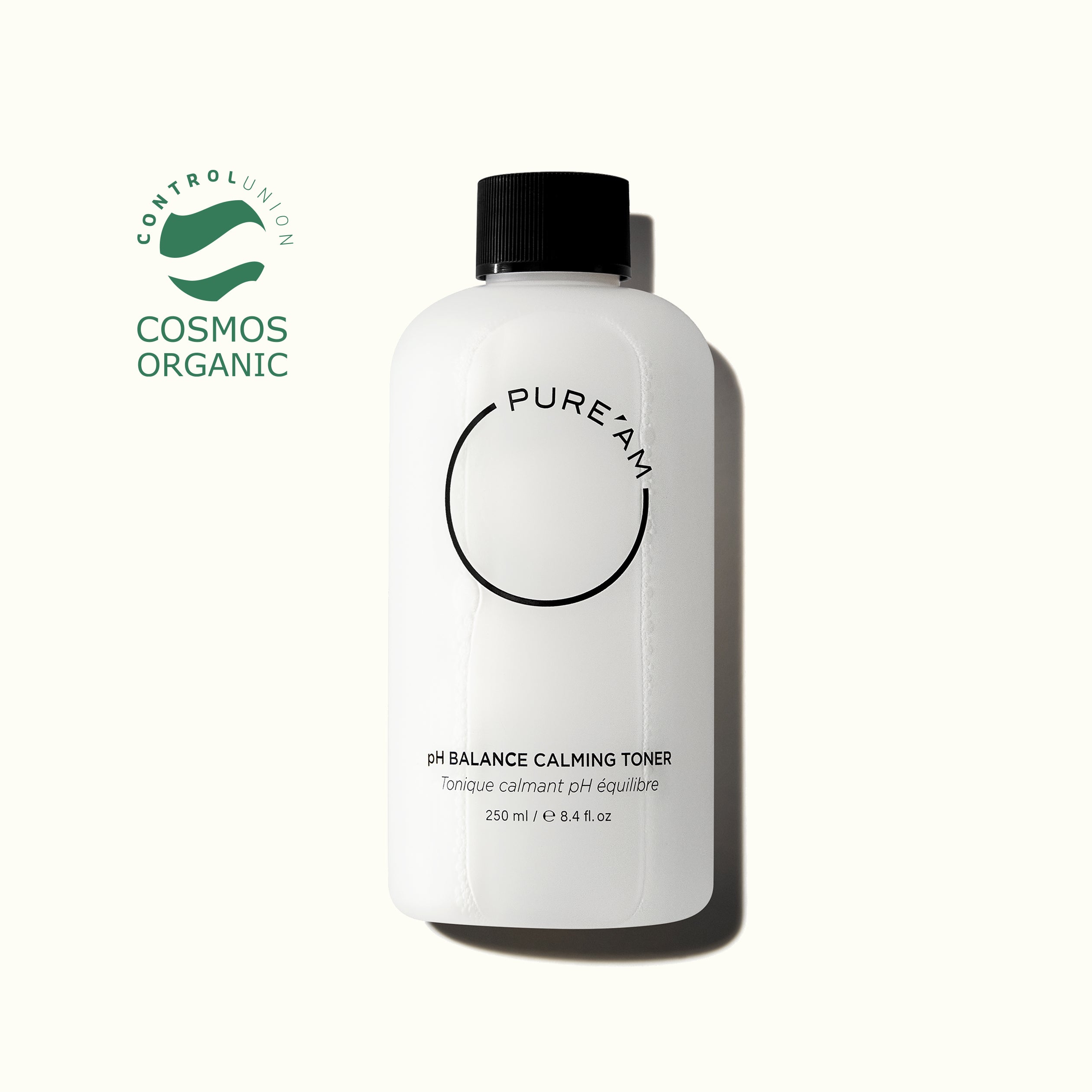
pH BALANCE CALMING TONER
29 USD
Shop now
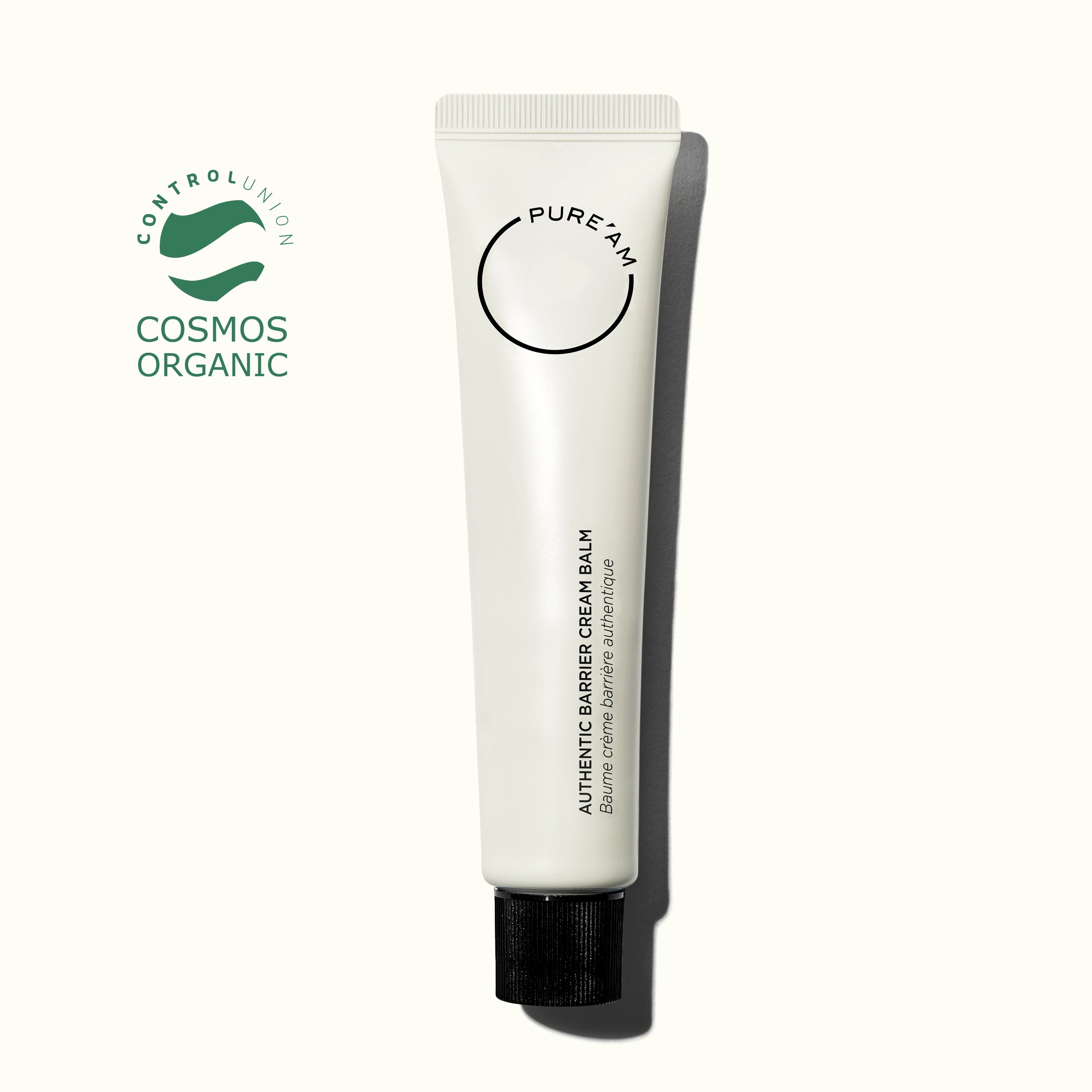
AUTHENTIC BARRIER CREAM BALM
37 USD
Shop now
Skip the third step and even a well-chosen cleanser can leave you back where you started, because water that isn't sealed in simply leaves again. Skip the first step and no amount of toner or cream fully offsets a surfactant that's actively working against your skin's chemistry during the wash itself.
A Quick Ingredient-List Check
Next time you're deciding whether to keep or replace a cleanser, run through this:
- Does the ingredient list include a surfactant ending in "-glycinate" or "-glutamate," or a betaine like cocamidopropyl betaine?
- Does sodium lauryl sulfate (SLS) or sodium laureth sulfate (SLES) appear near the top of the list, meaning it's present at a higher concentration?
- Is a pH number listed on the packaging at all, and if so, does it fall between roughly 4.5 and 6.5?
- Are you applying a toner or moisturizer within a few minutes of rinsing, before skin has a chance to sit at an elevated pH?
- If double cleansing daily, is it actually necessary for what you're removing, or does it add an extra alkaline exposure without a clear reason?
Give a routine change two to four weeks before judging results. Surface pH itself starts normalizing within hours of a single wash, but the cumulative effect of repeated exposure to the wrong surfactant type takes longer to reverse than it does to notice.
FAQ
If my cleanser already says "pH-balanced," do I still need to check the surfactant?
Yes. A pH claim on the packaging describes the finished formula's pH, not the specific surfactant molecule inside it. A product can be buffered to a low pH and still rely on a soap-based or sulfate-heavy surfactant that behaves more aggressively than an amino acid formula once it contacts water and skin.
Does double cleansing make tightness worse?
It can, if it's not necessary for what you're removing. Heavy makeup or a thick, water-resistant sunscreen may call for an oil-based first cleanse followed by a water-based second step, though our breakdown of cleansers that remove sunscreen without double cleansing covers when a single step is enough. For lighter sunscreen or minimal makeup, a single gentle cleanse is often sufficient, and repeating an alkaline or high-foaming step daily when it isn't needed strips more lipid than the situation requires.
Will a toner alone fix post-cleanse tightness?
A toner rebalances surface pH and adds water back to skin, but water alone evaporates without something to hold it in place. If tightness is a recurring issue, follow the toner with a cream or balm that supplies lipids, rather than relying on the toner step by itself.
Are amino acid surfactants less effective at cleaning?
No. Amino acid surfactants are designed to remove dirt and oil while leaving more of the barrier's native lipids intact, rather than cleaning less thoroughly. For heavy, long-wearing makeup or sunscreen, a separate first cleanse still helps, but that's a coverage issue, not a sign the surfactant itself is underpowered.